


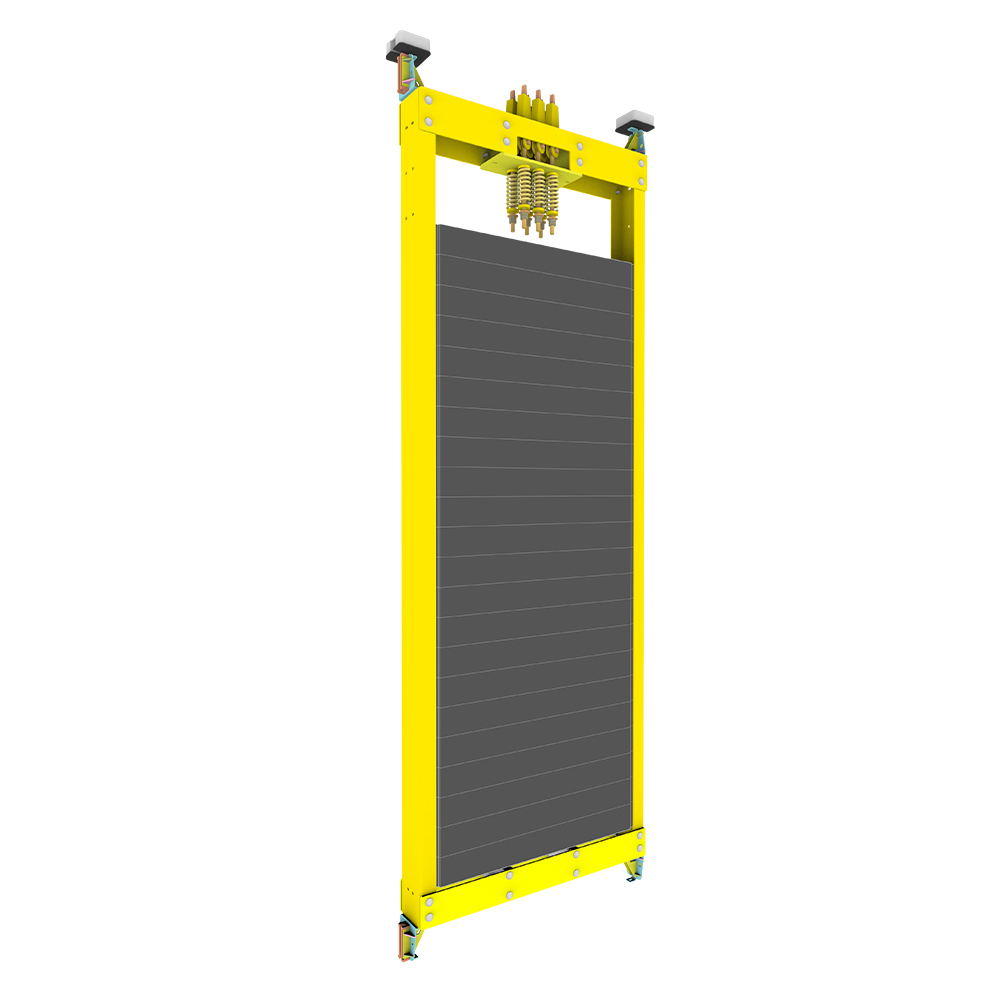
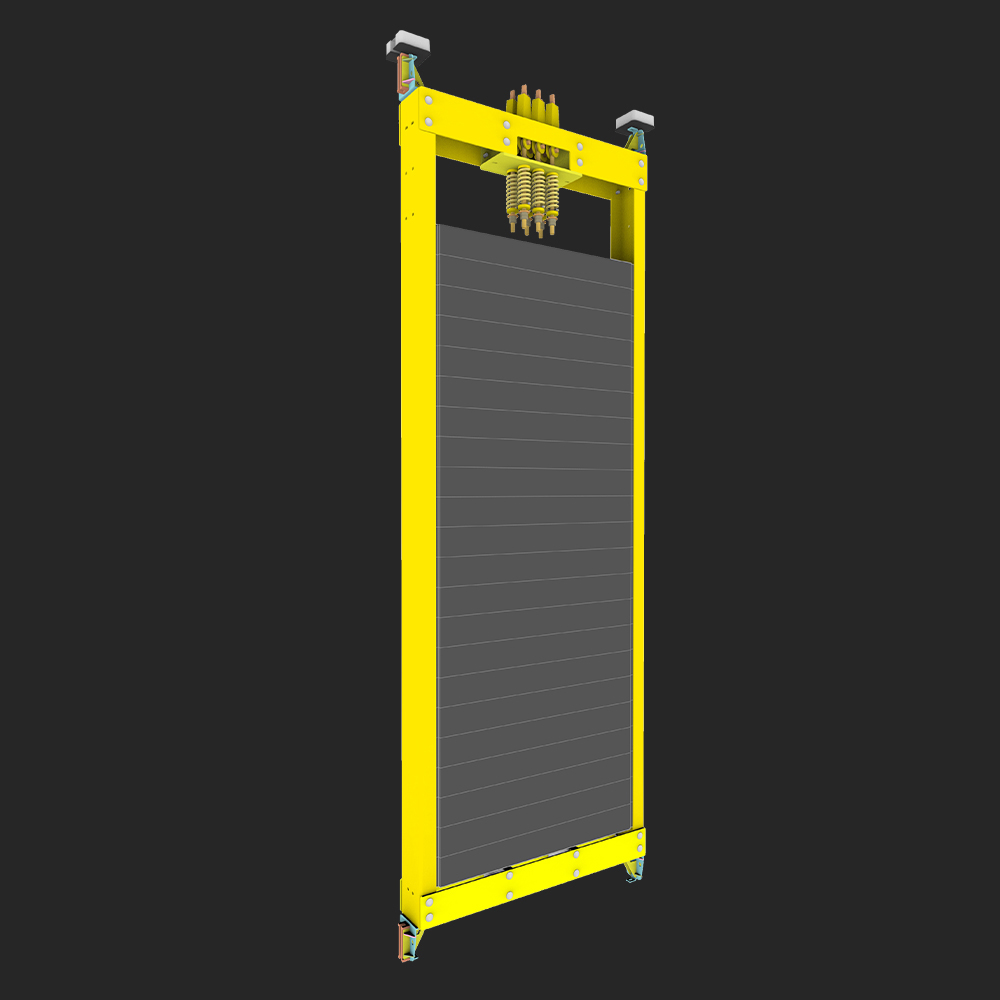
Elevator Counterweight Frame
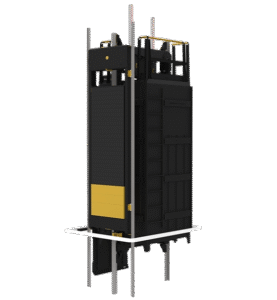
Elevator counterweight frame, also known as the counterweight frame, is one of the most important mechanical components in elevator systems, responsible for creating balance between the cabin and the load. This component allows the elevator to operate with lower energy consumption, smoother movement, and higher safety. In this article, we provide a complete overview of the structure, components, types, and operating method of the counterweight frame, and finally introduce CabinPlus as a leading manufacturer of elevator components.
The Role of the Counterweight Frame in Elevator Performance
In every elevator, the main goal is to achieve balanced and vibration-free movement. The counterweight frame, positioned opposite the cabin, creates a balancing weight so that the elevator motor only needs to provide the force required to move passengers. This structure reduces motor load, saves energy, and increases the lifespan of hoisting ropes.
Components of an Elevator Counterweight Frame
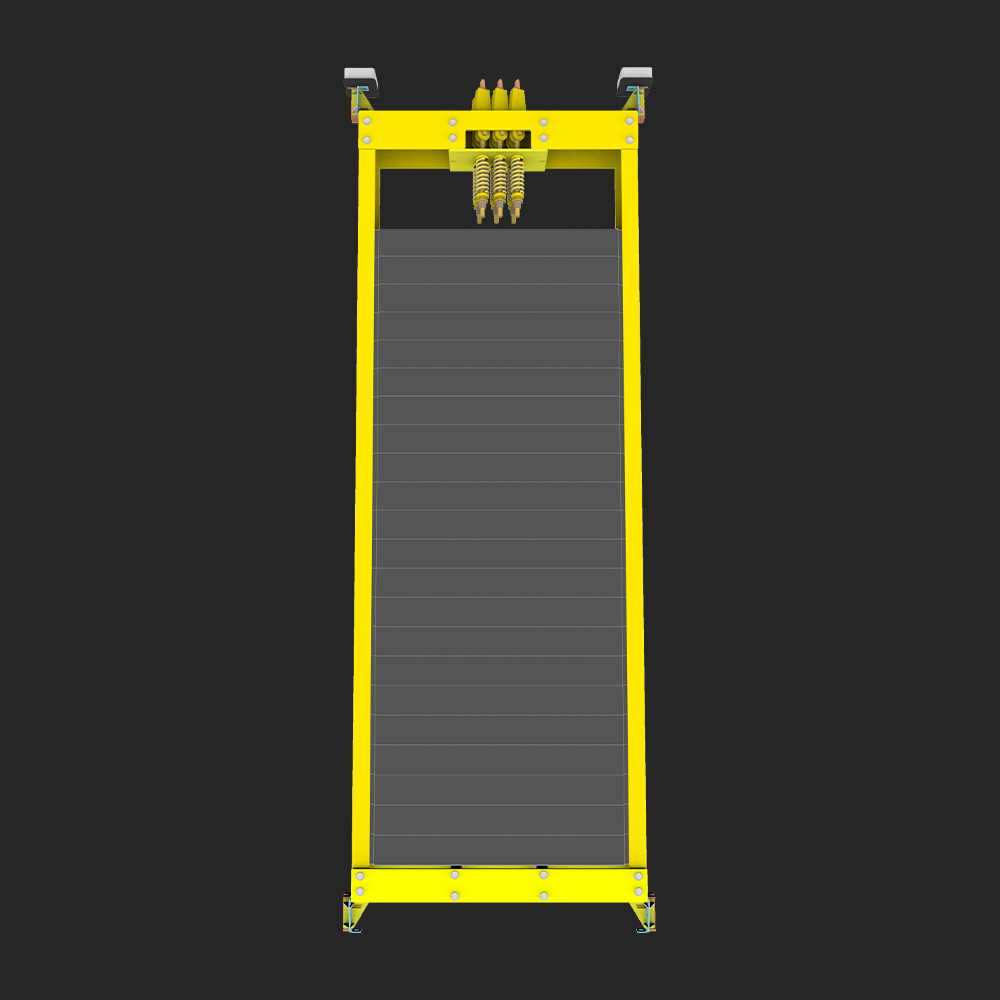
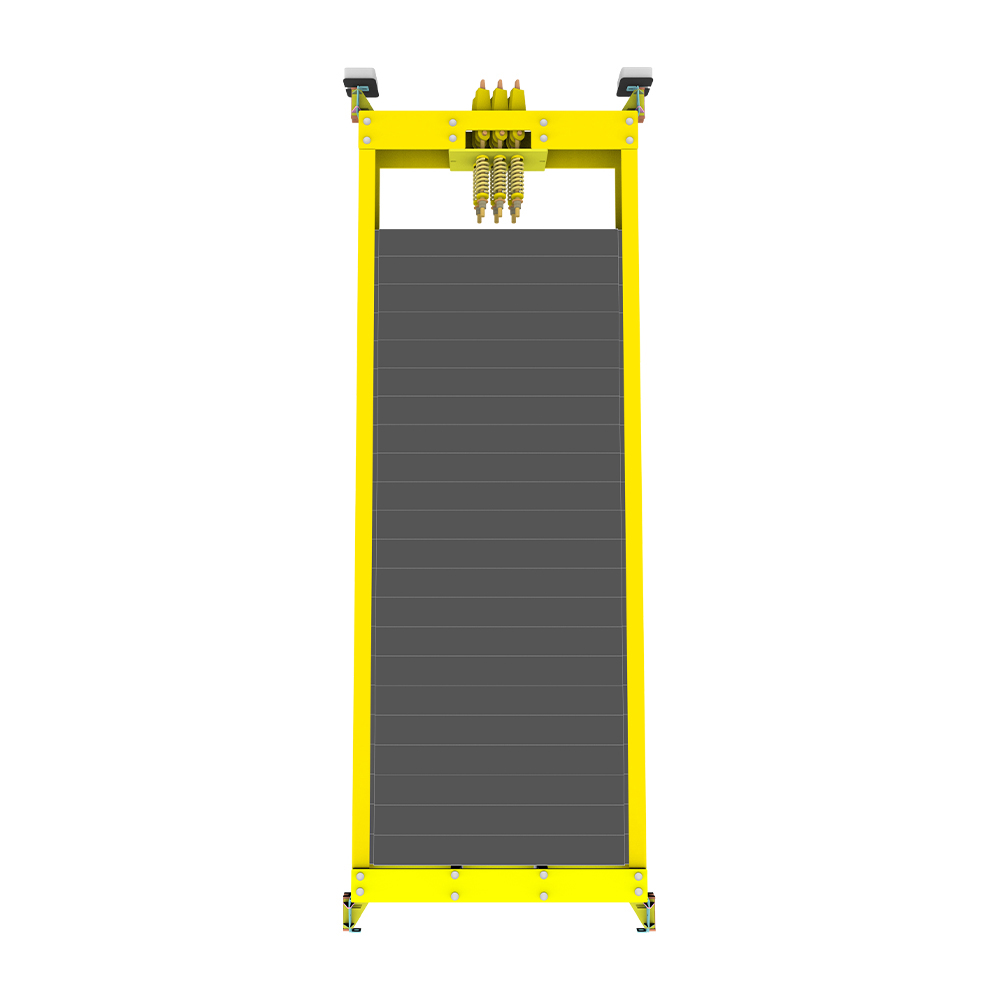
- Main frame: A robust metal chassis that supports the weight blocks.
- Rail guides and shoes: Used for smooth movement along the guide rails.
- Cast iron or concrete weights: Installed inside the frame to create weight balance.
- Guards and retaining brackets: Prevent vibration and falling of the weights.
- Suspension system: Hoisting ropes that connect the frame to the traction system.
Types of Elevator Counterweight Frames
Depending on the installation position relative to the cabin and the shaft design, counterweight frames are divided into several types:
1. Side Counterweight Frame
In this model, the frame is installed beside the cabin. It is suitable for large elevators and shafts with greater width.
2. Rear Counterweight Frame
The most common type used in residential and home elevators. This design provides greater balance and system stability.
3. Double Counterweight Frame
In high-capacity industrial elevators, two counterweight frames are installed on both sides of the shaft to distribute load symmetrically.
Material and Manufacturing Method of the Counterweight Frame
Frames are typically made from high-strength ST37 or ST52 steel. In factories such as CabinPlus, the manufacturing process includes precise laser cutting, CO2 welding, and electrostatic powder coating, ensuring high corrosion resistance and excellent dimensional accuracy.
Importance of Counterweight Balancing in Elevator Safety
Accurate adjustment of the counterweight frame mass is one of the most critical installation steps. Incorrect balancing can lead to the following issues:
- Increased load on the motor and gearbox
- Reduced lifespan of hoisting ropes
- Vibration during cabin movement
- Higher energy consumption
Engineers usually calculate the counterweight as the cabin weight plus 40–50% of the rated capacity.
Installation and Safety Standards
Installation of the elevator counterweight frame must comply with EN81 standards and Iran National Standard 6303. The following are key installation principles:
- Precise alignment of guide rails
- Use of standard guide shoes
- Proper tightening of all bolts and retaining brackets
- Periodic inspections to detect wear and fatigue
Types of Weights Used in the Frame
| Weight Type | Material | Advantages | Disadvantages |
|---|---|---|---|
| Cast iron | Gray cast iron | High weight accuracy, long durability | Heavy weight, higher cost |
| Concrete | Reinforced concrete | Affordable price, widely available | More fragile, lower accuracy |
| Combined | Cast iron and concrete | Balance between cost and performance | More complex design |
Maintenance and Periodic Service of Elevator Counterweight Frame
To ensure safety and long service life of the elevator, regular maintenance is essential:
- Inspection of connections and bolts
- Checking guide shoes and lubricating if necessary
- Testing elevator movement under load and no-load conditions
- Cleaning the guide rail paths
CabinPlus Company
CabinPlus is one of the leading manufacturers of elevator components and cabins in Iran. By utilizing modern technology and a professional team, the company produces various elevator counterweight frames, elevator cabins, doors, and control panels in compliance with the highest standards.
Key Advantages of CabinPlus:
- High-precision counterweight frame production with electrostatic coating
- Custom design options for special projects
- Competitive pricing while maintaining industrial quality
- Technical support and official warranty
The official website cabinplus.co is a comprehensive source for technical specifications, product images, and professional services offered by the company.
Conclusion
The elevator counterweight frame is a vital part of the lifting system that maintains balance between the cabin and the load, enhancing system safety and efficiency. By choosing precise and durable frames from brands such as CabinPlus, reliable, quiet, and energy-efficient performance can be achieved in both residential and commercial elevators.