



Buffer:
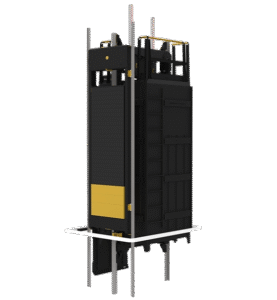
Buffers are usually installed at the end of the elevator travel path, on the lowest floor, and are responsible for acting in emergency situations or as an additional aid in stopping the elevator smoothly and safely. Buffers absorb the kinetic energy of the car or counterweight and help reduce sudden movement and collision. This helps reduce the possibility of damage to equipment and people inside the car. It should be noted that its operation is only at the rated speed of the elevator.
Spring Buffer
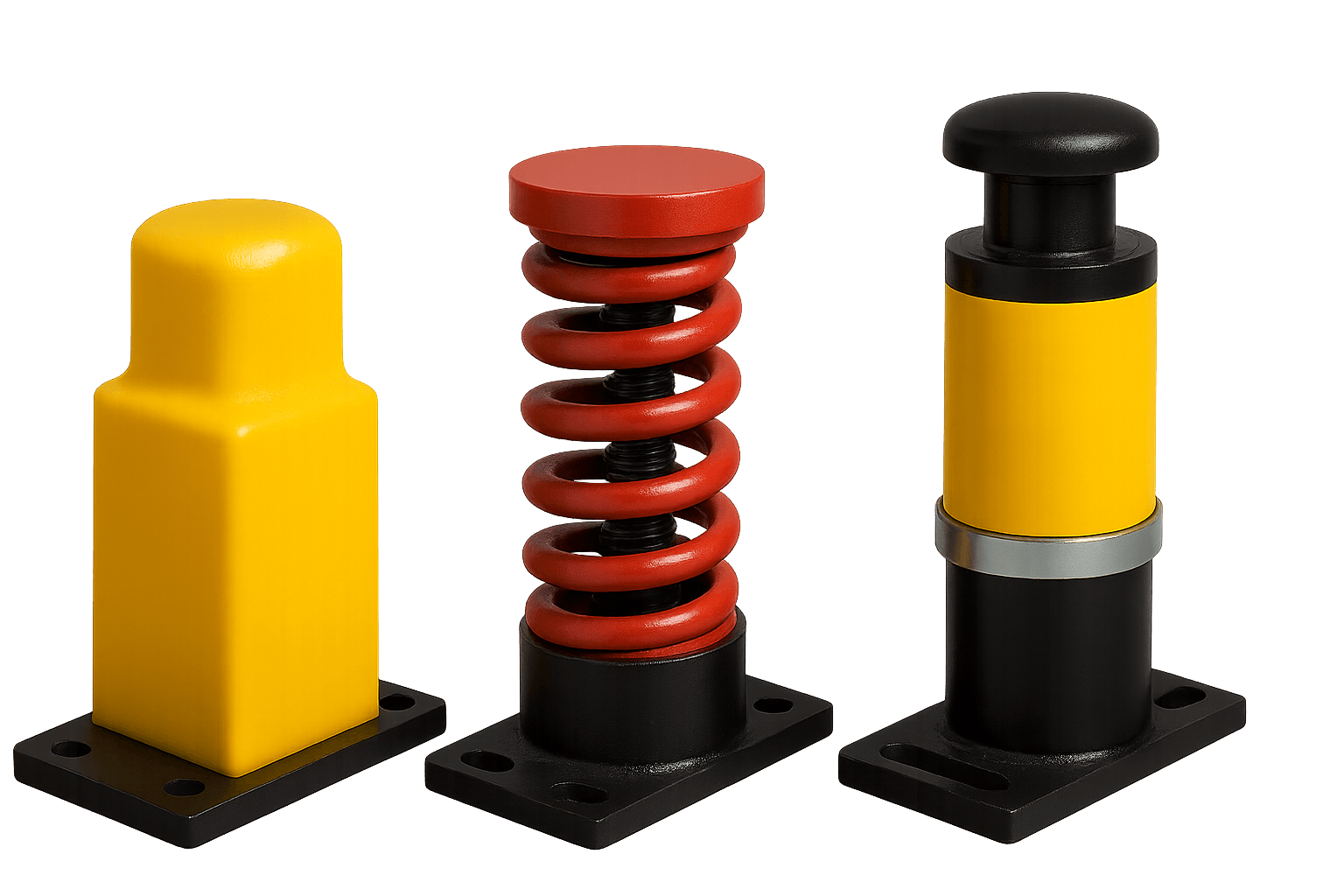
Made of metal springs and have the ability to absorb shock and transfer energy. When the cabin or counterweight falls down and reaches the bottom of the well in emergency situations (such as power outage, brake failure or control system problems), the polyurethane buffer absorbs kinetic energy and, with its elasticity, repels it in a controlled manner. This process prevents direct impact to the cabin or counterweight and ensures the safety of passengers and equipment.
Product Order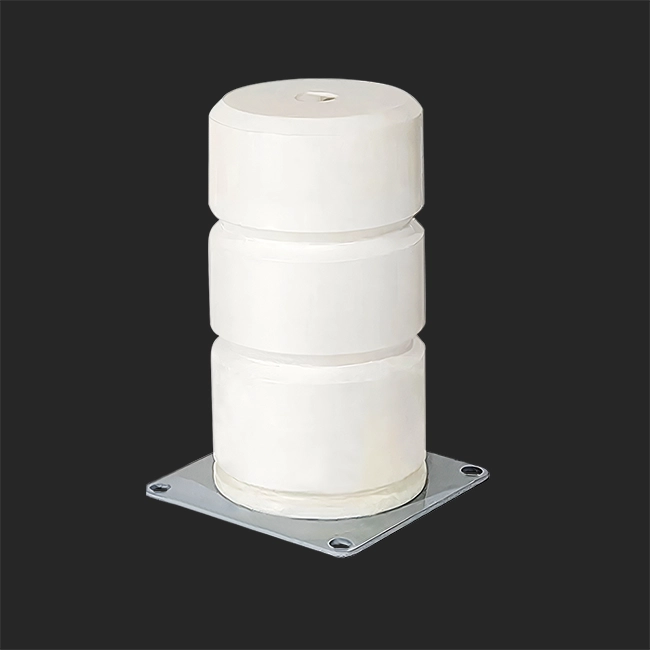
Hydraulic Buffer
Hydraulic fluids are used to absorb energy and are typically used in high-speed, heavier-weight systems. When the cabin or counterweight moves downward at high speed and hits the hydraulic buffer, the piston inside the buffer cylinder enters the oil and presses it. As a result, the oil exits through special orifices and valves at a controlled rate. This process causes a gradual decrease in speed and absorption of kinetic energy. After the impact, the piston returns to its original position with the help of an internal spring.
Product Order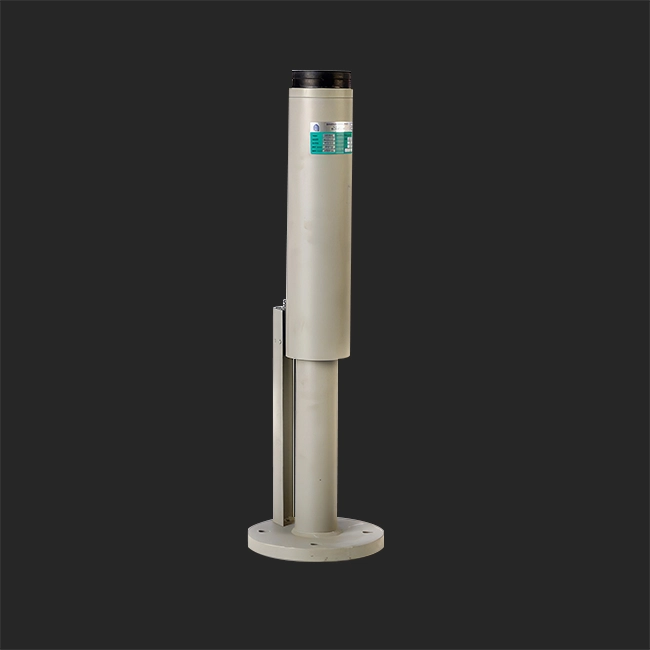
Spring Buffer
A spring buffer consists of one or more coil or disc springs that are compressed and then slowly released when a car or weight hits it. This compression and energy return slows down and absorbs the impact force. Unlike hydraulic buffers that work with oil, a spring buffer operates mechanically and does not require special maintenance.
Product Order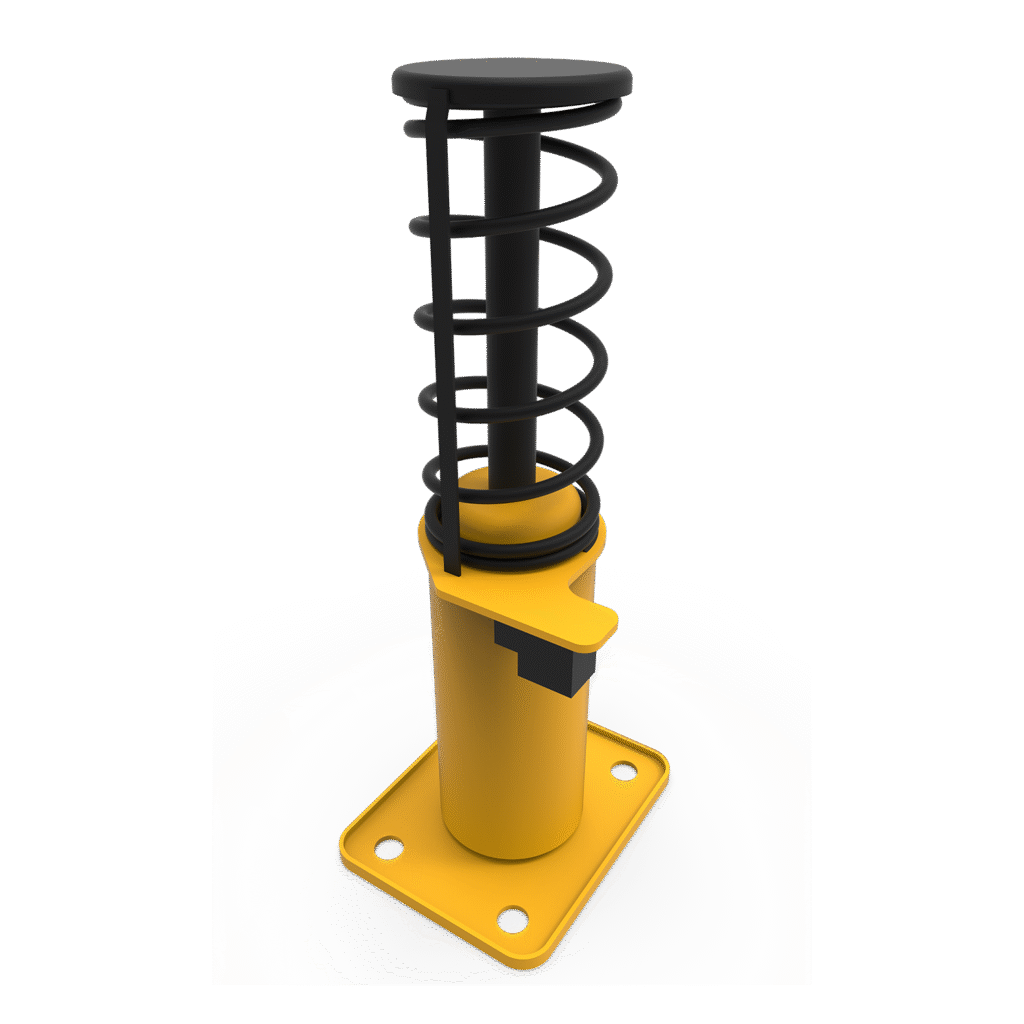
Buffer Base, Buffer Support
The buffer base is responsible for installing the buffer in a precise and appropriate location and protecting it from unwanted displacement or movement due to shocks or vibrations. The buffer base helps to properly transfer the absorbed energy of the buffer and ensure that the system operates optimally. Buffer bases are usually made of strong and resistant materials such as steel or concrete. These materials must be able to withstand the pressure and forces exerted by the buffers to ensure the proper functioning and safety of the system.
Product Order