

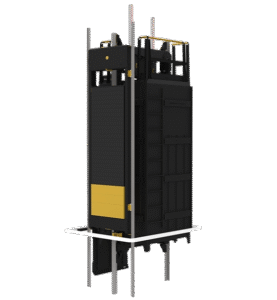

Motor chassis
Motor base and motor chassis
The motor base in an elevator is one of the vital and important components that is responsible for maintaining and stabilizing the elevator motor in place. This component must be designed in such a way that it can properly withstand the weight of the motor and the vibrations it causes and prevent the transmission of vibrations to the building.
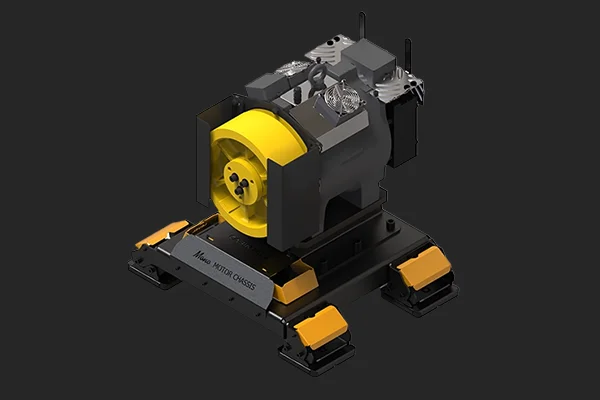

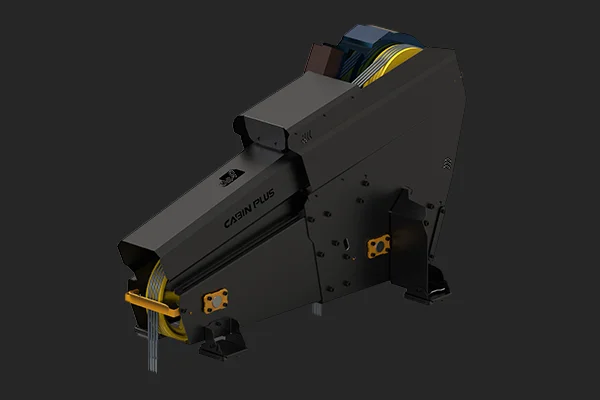
Mono Motor Chassis
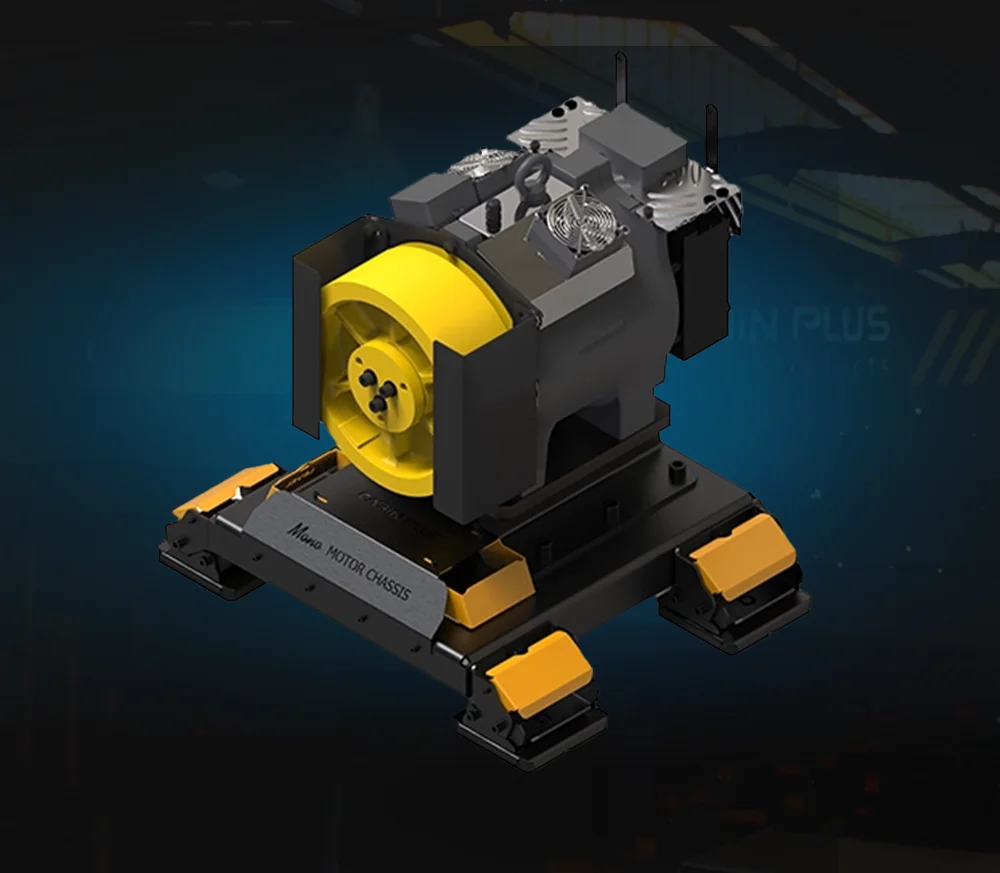
Mono Motor Mount
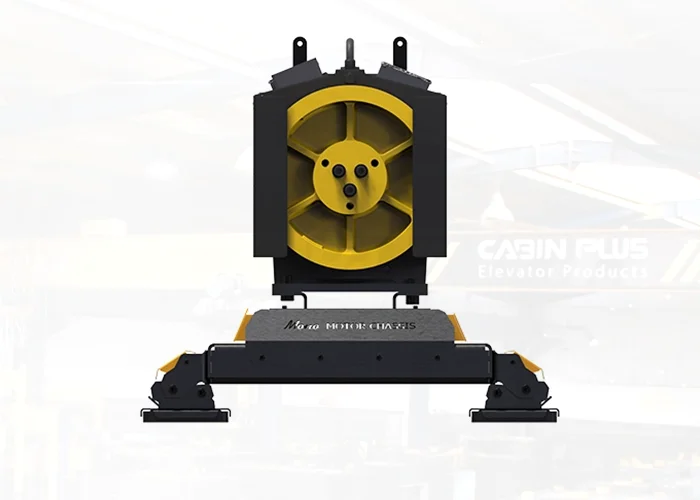
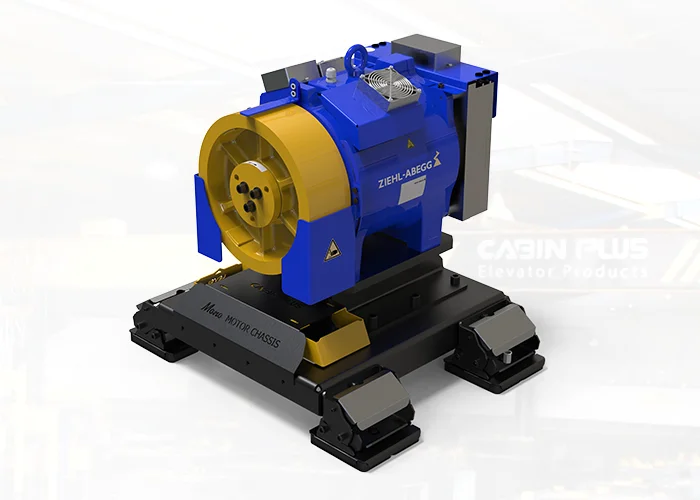
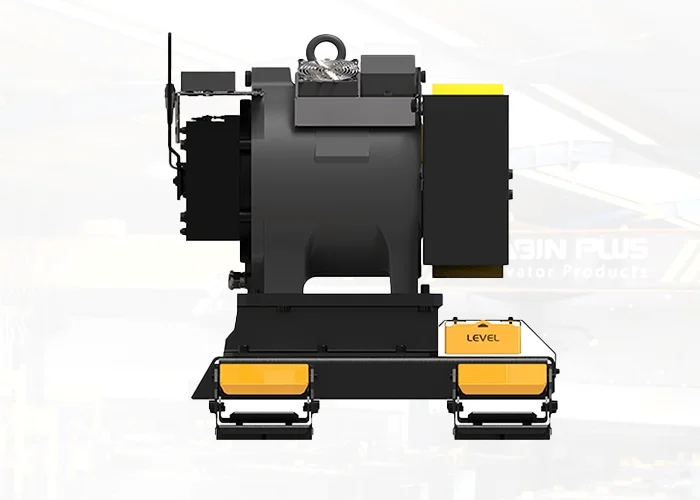
Mono motor mount is another type of motor mount used in elevator systems. This mount is designed to stabilize and maintain the elevator motor and helps with the efficiency and safety of the system. These mounts are used in all types of elevators, both gearless and motor-housed, and help keep the elevator motor stable and reduce vibrations. The mounts of this motor mount are also designed to compensate for up to three centimeters of imbalance in the motor house and repel vibrations.

+982191740142
Reversed Motor Chassis
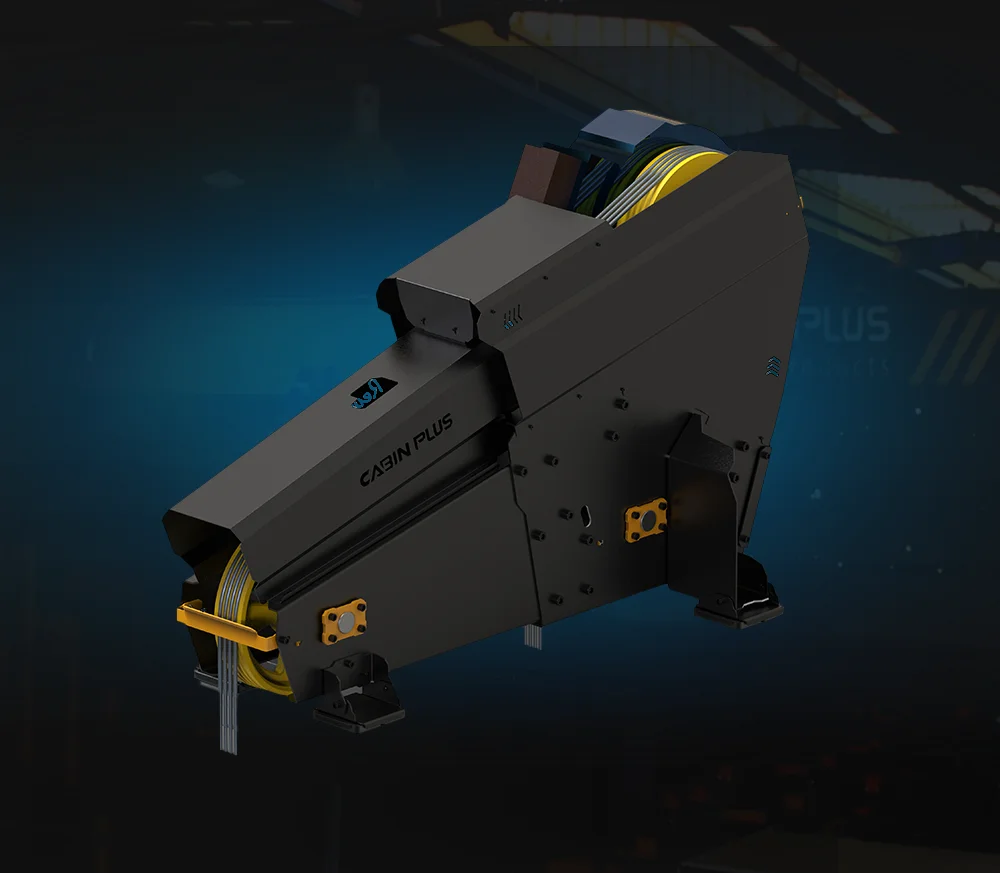
Reverse Motor Base
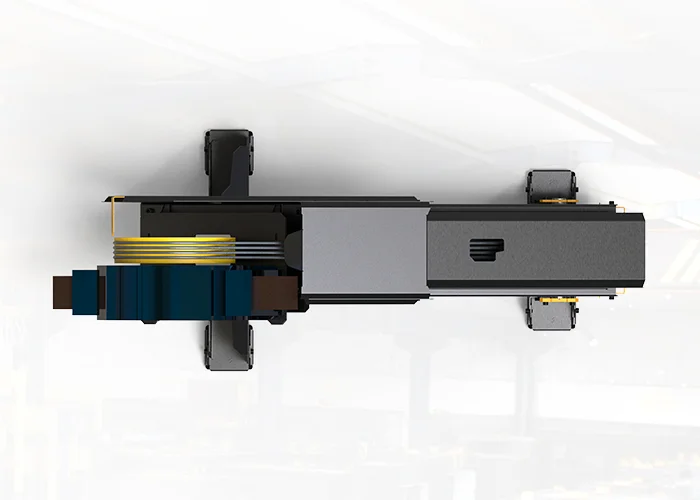
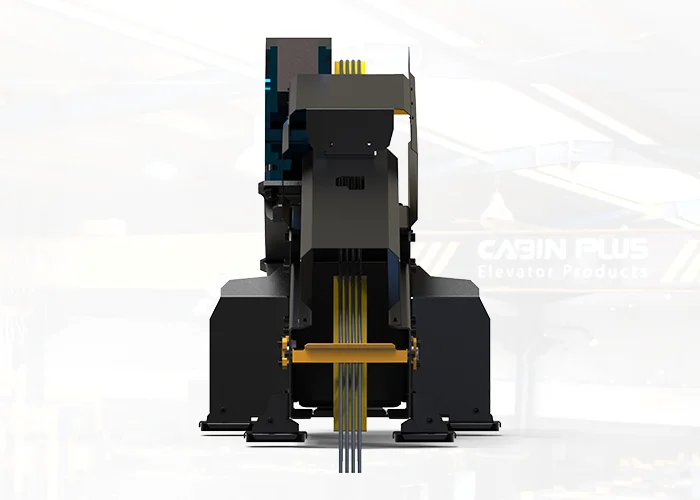
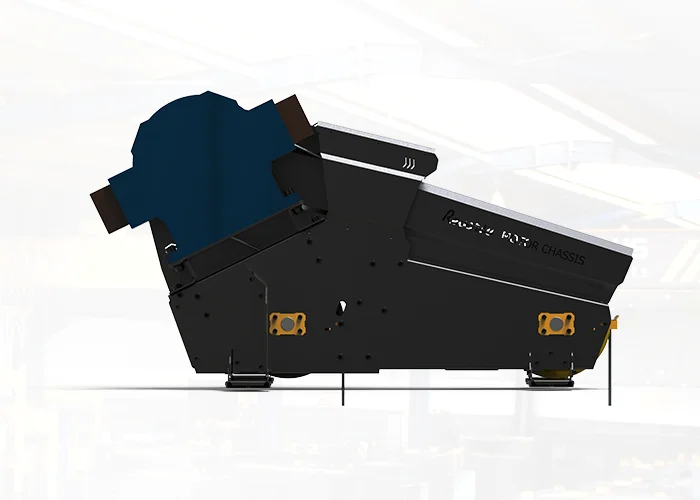
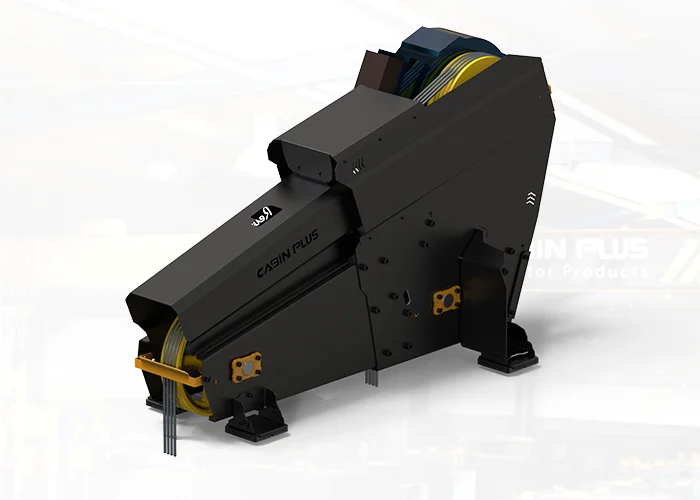
Reverse motor base is another type of elevator motor base that is used to stabilize and maintain the motor in tall buildings, especially elevator systems. These motor bases are used where the distance between the car rail and the weight rail is greater and to create the appropriate angle for the traction wire ropes.
+982191740142
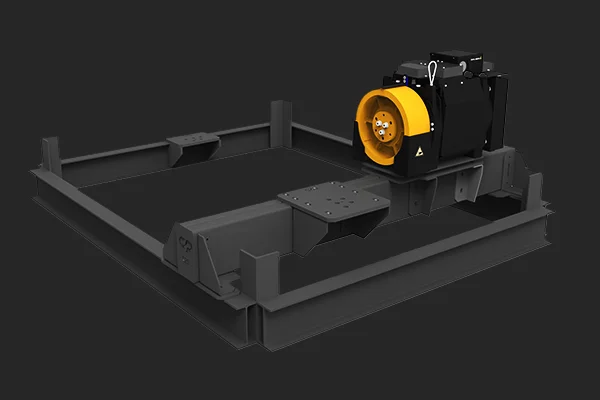
MRL Motor Chassis
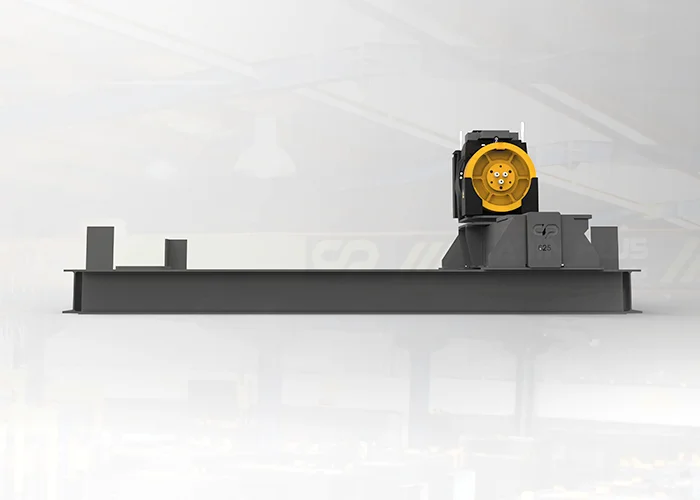
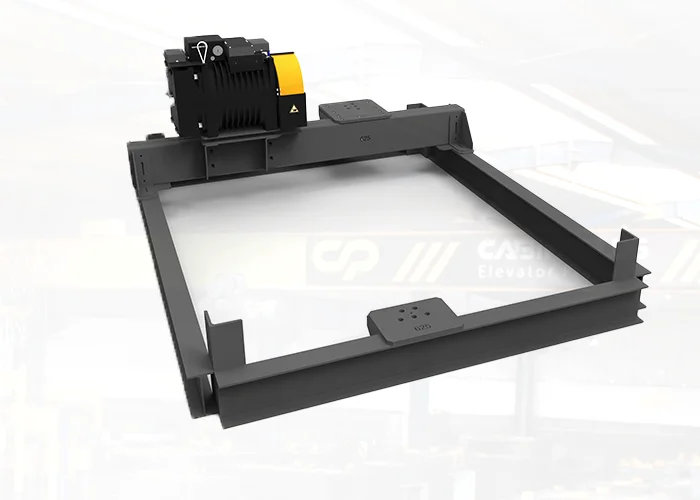
MRL Motor Base
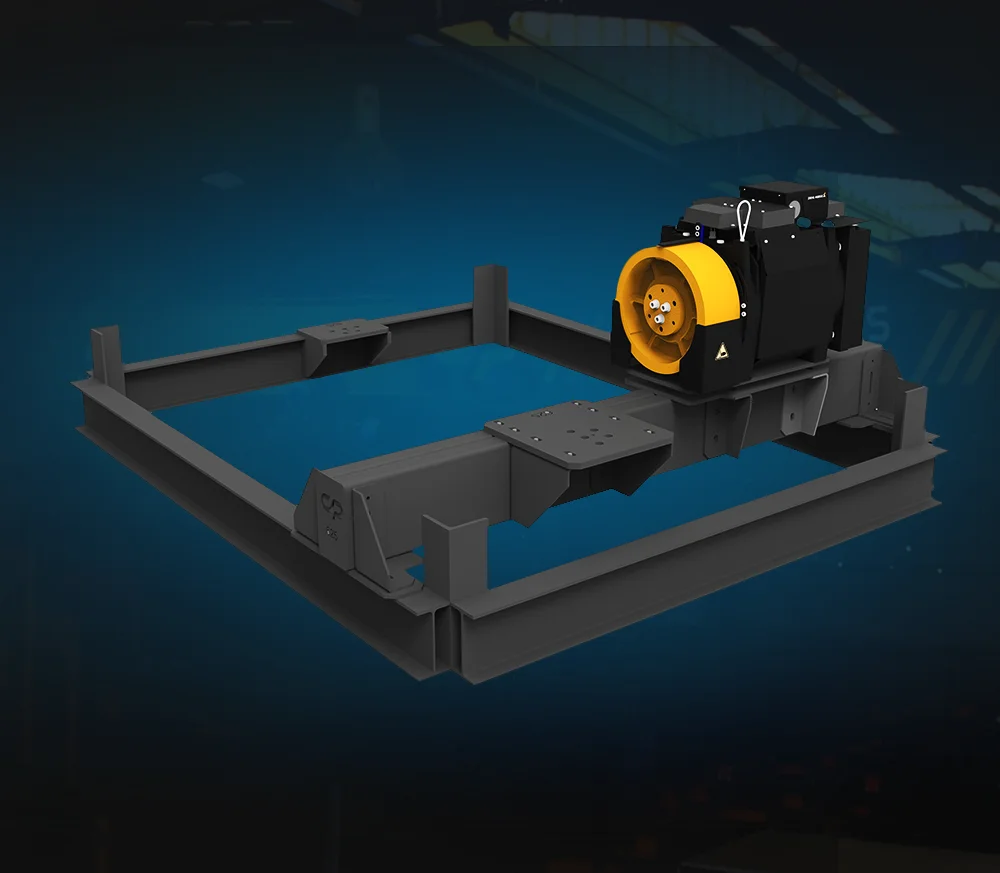
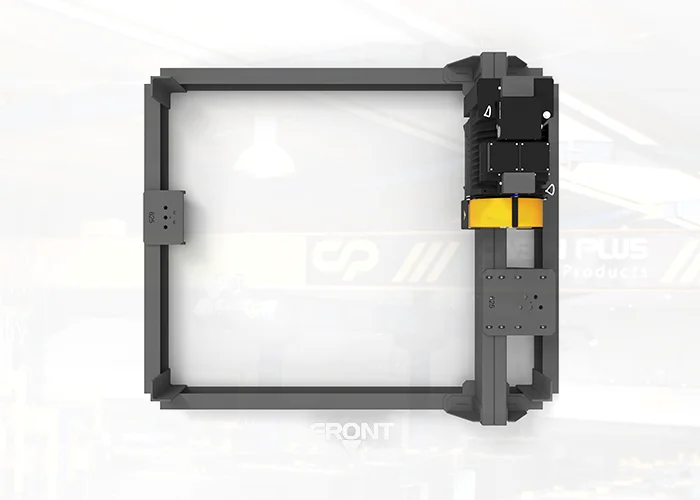
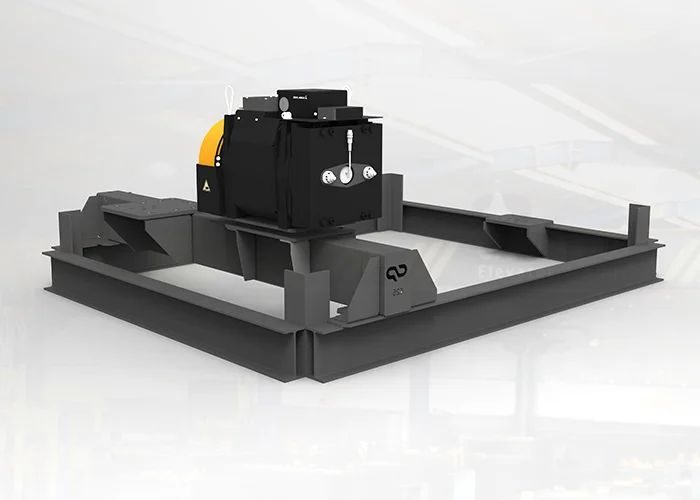
The motor base is an essential component in machine roomless elevator systems that supports and stabilizes the elevator motor where there is no separate machine room. The MRL motor and motor base are installed inside the elevator shaft at the top or bottom of the elevator shaft, rather than being separate in the machine room. Cabin Plus MRL motor bases are fully bolted and can be used for all projects, and also provide for how this can be implemented in the event of the motor being reversed to easily pass standard cases.
+982191740142
Alpha Motor Chassis
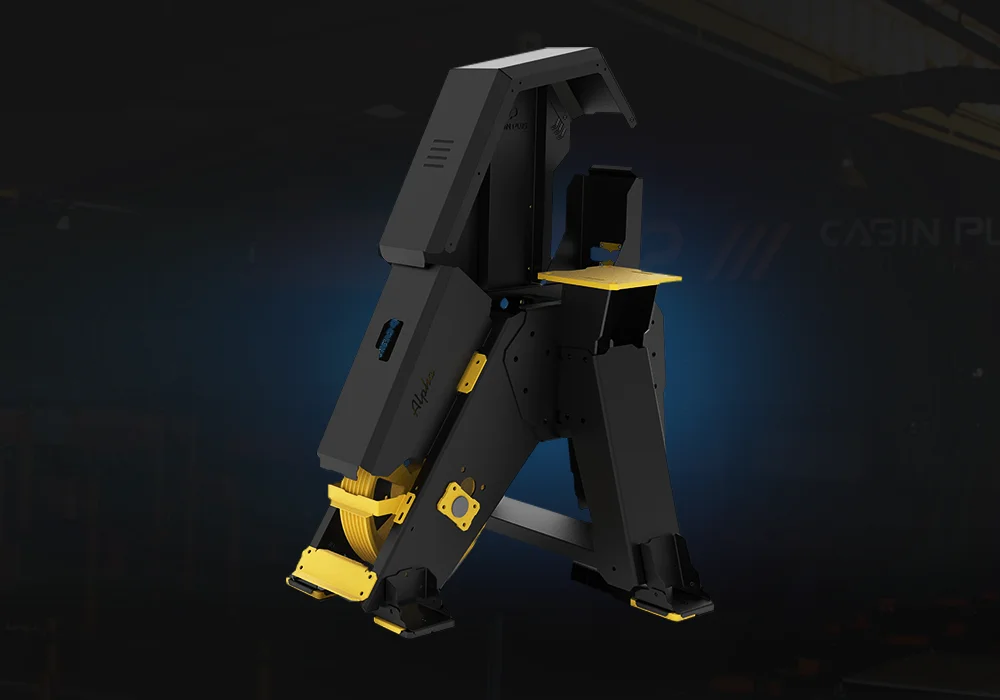
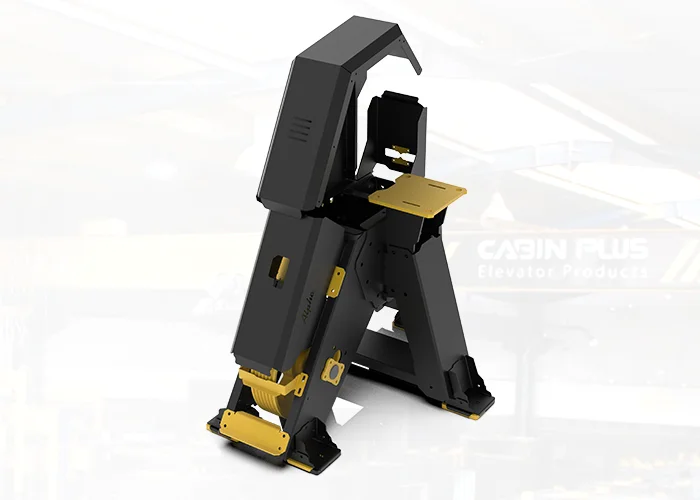
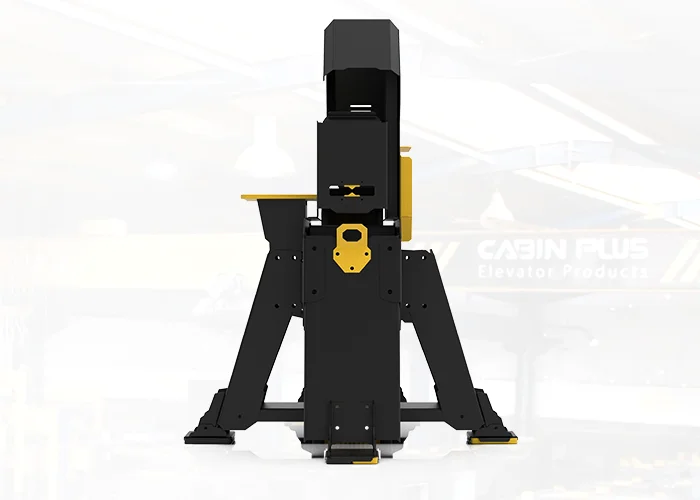
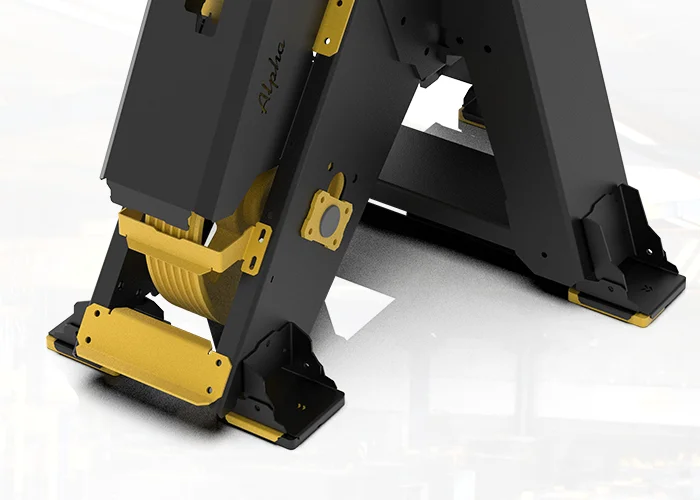
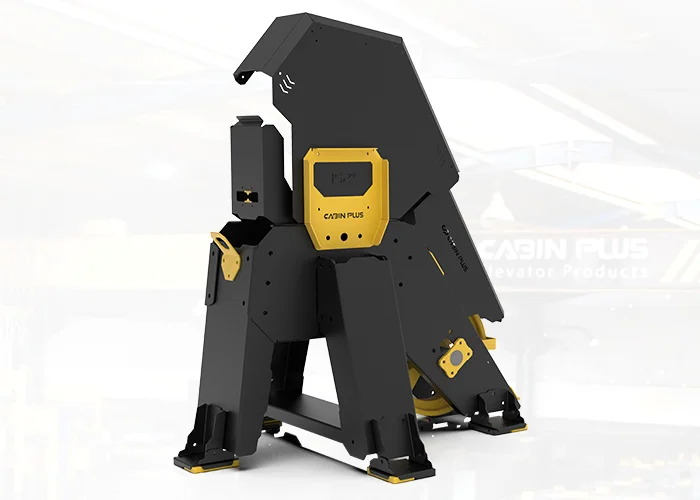
Alpha Motor Base
The alpha angle in the motor base is usually 180 degrees, but the Alpha motor base in the Plus cabin is manufactured using quality materials and with different angles depending on the conditions, which can prevent frustration by creating the appropriate angle and distance between the weight rail and the cabin.