


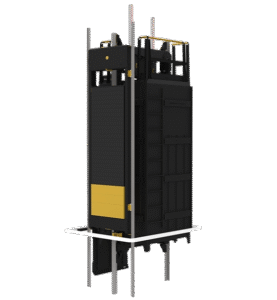



Elevator Commissioning Equipment is considered one of the most essential components of lifting systems and plays a key role in the safe, smooth, and intelligent operation of elevators. This set includes equipment such as the elevator control panel, elevator traveling cable, and elevator push buttons, each of which performs specific technical functions. Below, we provide a specialized review of each of these components and their importance in the elevator commissioning process.
Elevator Control Panel
The control panel is the brain of the elevator and manages all movement, safety, and control processes of the system. This panel consists of a set of electronic and electrical circuits responsible for coordinating the motor, doors, sensors, floor stopping system, and commands issued from the push buttons.
Control panels are generally designed in two main types: VVVF (Variable Voltage Variable Frequency) and two-speed (AC2). The VVVF or drive-based type is more commonly used today because by controlling the motor’s frequency and voltage, it ensures smooth movement, reduces energy consumption, and prevents mechanical shocks during elevator start or stop. This type of panel also features capabilities such as Automatic Rescue Device (ARD), door control, precise floor leveling management, and rescue operation during power outages.
When selecting a control panel, factors such as motor type (geared or gearless), cabin capacity, travel height, elevator speed, and number of stops are of great importance. Well-known control panel brands in the Iranian market include Persian Control, Arman Faraz, PAR Control, Datis, Seka, and Aryan Elevator. The quality of the logic circuit, drive system, board design, and software support are key factors in the flawless performance of a control panel.
Elevator Traveling Cable
The elevator traveling cable is a flexible cable responsible for transmitting electrical signals and control commands between the elevator cabin and the control panel. This cable moves up and down along with the cabin throughout the entire travel path; therefore, it must have high mechanical strength, suitable flexibility, and resistance to repeated bending.
The structure of a traveling cable consists of multiple insulated wires enclosed within a PVC or rubber sheath that is resistant to heat and abrasion. In modern elevators, the traveling cable may also include data signal wires, power supply cables, telephone lines, emergency system lines, and even in-cabin camera cables.
An important point in installing a traveling cable is observing the correct length and standard bending radius to prevent tearing or tangling along the travel path. For travel heights exceeding 30 meters, a traveling cable suspension system with metal or chain supports is usually used to reduce the weight and tension applied to the cable. Reputable traveling cable brands in Iran include DAN Elevator, Brugg, Draka, and Liftex, all of which comply with international standards such as EN-50214 and CE.
Elevator Push Buttons
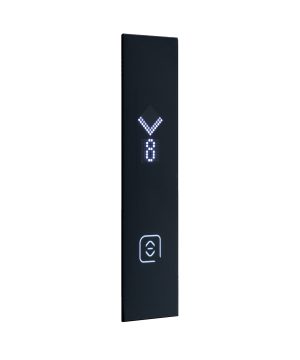
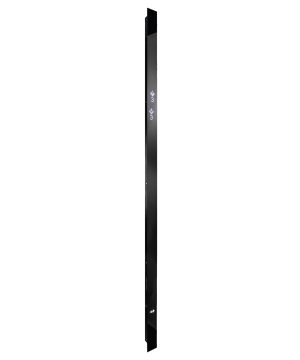
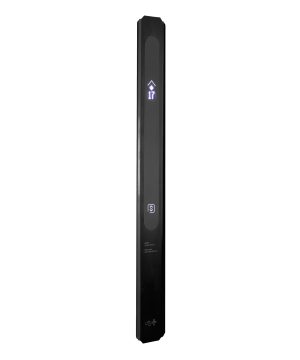
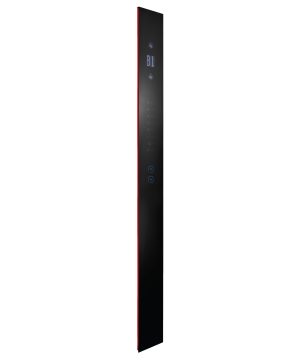
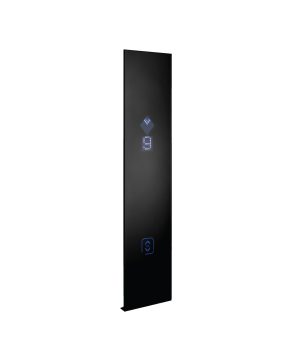
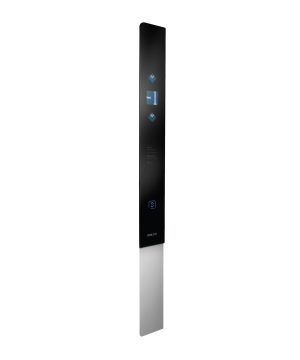
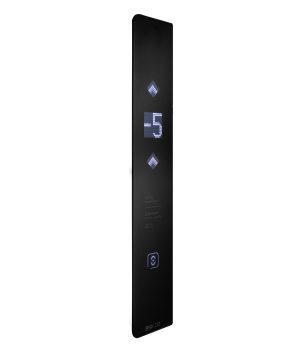
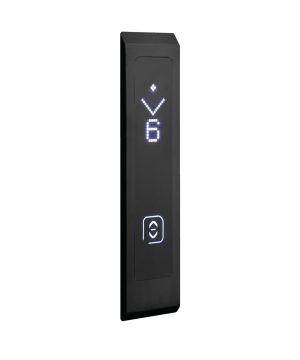
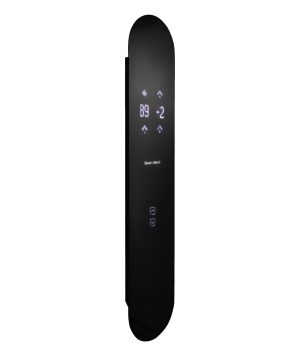
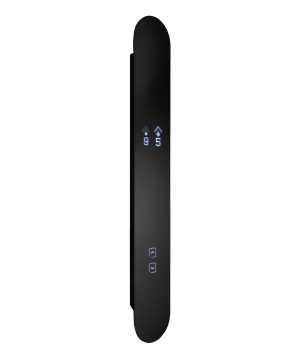
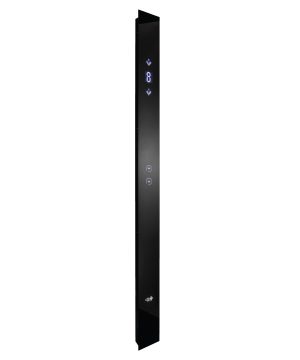
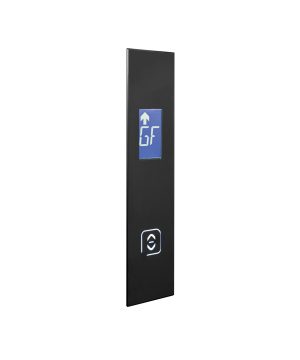
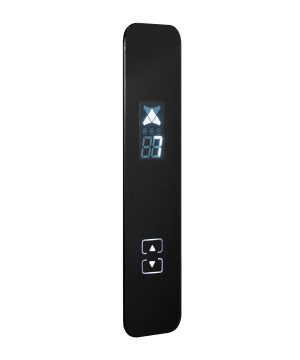
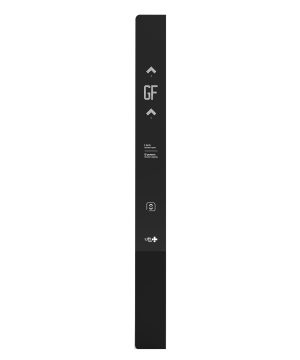
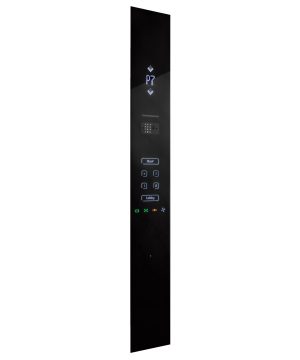
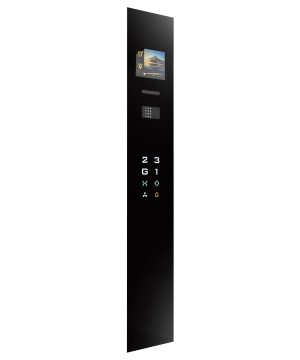
Elevator push buttons or control panels serve as the user interface between passengers and the elevator control system. These buttons are installed in two sections: cabin push buttons (inside the elevator) and floor push buttons (beside the landing doors). Their main function is to send necessary commands such as floor selection, door opening or closing, and status indications to the control panel.
Modern elevator push buttons are usually made of stainless steel with elegant designs and high resistance to impact. Some advanced models feature LED or LCD displays to show the current floor, direction of movement, and operational status of the elevator. In smart elevators, push buttons are also equipped with touch panels and touchless sensors to enhance user hygiene and safety.
One of the important components of the push button panel is the indicator lights and emergency buttons. The emergency button is designed for manual stopping or contacting the service center in hazardous situations. Push buttons must be designed with low voltage operation and appropriate IP standards to prevent electrical shock.
In modern projects, the visual design of push buttons is also highly important, and custom stainless steel panels with brushed, mirrored, matte black, or rose gold finishes are commonly used to create perfect harmony with the elevator cabin and the building’s interior design.
Conclusion
Overall, elevator commissioning equipment—including the control panel, traveling cable, and push buttons—forms a set of vital components that ensure precise, safe, and user-friendly elevator operation. Choosing reputable brands, proper installation, and regular maintenance of these components not only increase the system’s lifespan but also significantly enhance user safety and satisfaction. In fact, the complete coordination among these three key elements is what enables reliable, fast, and error-free elevator movement in any building.
