


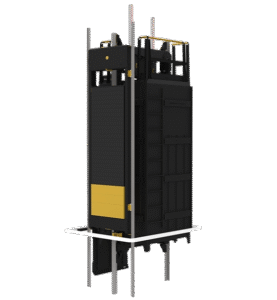

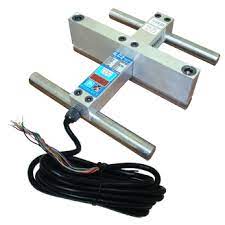
An elevator weight sensor is a device used to measure the weight of the elevator and serves as a tool for detecting overloads. It measures the cabin’s weight and transmits the results to the elevator’s control panel. This component plays a vital role in preventing damage caused by excessive load. In the following sections, we will discuss all the features, benefits, operational methods, and the impact of this function on the entire elevator system.
What is an Elevator Weight Sensor?
An elevator weight sensor is a device that measures and monitors the cabin’s load. If it detects that the weight exceeds the rated capacity, it sends an alert to the control panel. Once the control panel receives the overload message, it issues a command to prevent movement, keeping the elevator stationary. Due to the high importance of this part and its critical function, its presence is mandatory in elevators, and without it, the elevator will not receive safety certification.

Because of its vital role, this component must be purchased from a reputable brand. This part prevents significant financial losses and various sudden accidents that could endanger passenger safety. One of its key benefits is increasing the overall lifespan of the elevator. Usually made of metal, these sensors are manufactured in various models and types.
Types of Elevator Weight Sensors
There are two main types of weight sensors used depending on the elevator’s requirements. The first is the weight vector sensor, which measures direct and indirect loads. This type is categorized into several models such as cable-mounted, frame-mounted, and cabin-corner sensors, which users select based on their budget and elevator type.

The second type is the weight effect sensor, which measures the load by sensing its mechanical effects. This model includes various types such as magnetic, inductive, and variable transformer sensors, used according to specific needs. Each of these sensors has unique features and meets specific required standards.
Installation Locations for Weight Sensors
Elevator weight sensors are typically installed in two locations. One common place is on the elevator wire ropes. This is an ideal location because the cabin weight corresponds to the tension in the ropes. Additionally, this location allows for easy access and convenient maintenance of the device.

Another suitable location is underneath the elevator cabin. Some weight sensors are specifically designed for under-cabin installation. However, this is not always the best spot for an overload sensor because, in case of a malfunction, the cabin must be fully stopped and accessed to remove the device for repair, which can be more labor-intensive.
Features of Elevator Weight Sensors
Key features of elevator weight sensors include three relay outputs with six selectable modes, the ability to be installed under the cabin or on wire ropes, adjustable analog outputs for four different models, and parametric adjustment of the device’s operational range. These features are common in most high-quality weight sensors. Buyers should be aware of these technical specifications before making a purchase.
Elevator Overload Sensor
An elevator overload sensor is a type of weight sensor that acts as a safety guard, preventing additional load from entering the cabin. By doing so, it prevents the elevator from falling due to excessive weight. Overload sensors come in various types, including hydraulic, magnetic, under-cabin, and rope-mounted versions. Generally, they fall into the categories of weight vector sensing and weight effect sensing.
Maintaining the weight sensor is crucial; if it fails to measure correctly, exceeding the capacity can lead to dangerous accidents and irreparable damage, significantly shortening the elevator’s lifespan. Regular and periodic servicing can prevent such failures. Furthermore, purchasing original and high-quality brands is a fundamental step in ensuring system reliability.
Conclusion
The elevator weight sensor plays a vital role by ensuring a balance between the load and the elevator’s capacity, preventing falls by communicating with the control panel. Given its importance, one should invest enough time and budget to purchase it from reputable centers. Cabin Plus Industrial Group is one of these trusted centers, providing high-quality services and reliable after-sales support in this field.