


To install any number of elevators in any building, besides creating a space called the elevator shaft, the steel framing or elevator structure must also be constructed. The elevator structure is critically important to maintaining the balance and safety of the elevator cabin. Therefore, you need to be thoroughly informed about the proper principles of elevator steel framing. Besides the features and execution method, the way this work is done differs according to the building type. Since elevator safety and space are among the primary factors in its installation, following the mentioned points is highly recommended. For more information, you can benefit from the services of Cabin Plus Industrial Group.
What Is Elevator Structure?
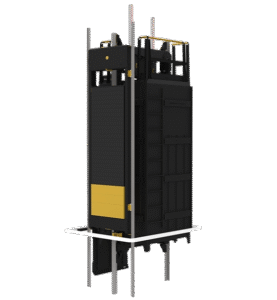
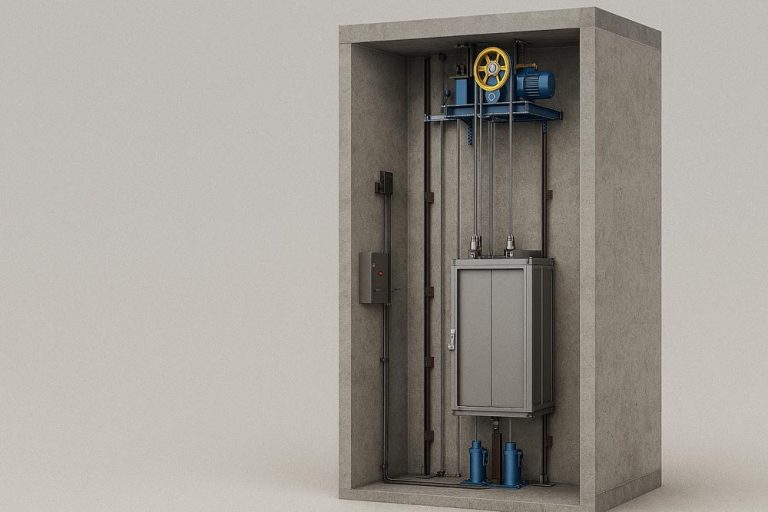
Elevator steel framing, also known as elevator structure or chassis framing, is one of the earliest steps in installing an elevator in a building. Due to many intricate details, this step is very important. The elevator structure’s job is to bear the weight and stress exerted by the elevator. In fact, the entire load and heaviness of the elevator are supported by this part. Three of the most critical elements during steel framing are column framing, beam framing, and final anchoring. When these steps are done correctly and to standards, a strong and stable frame is achieved. This ensures safe installation of the elevator and its cabin and prevents potential problems. Therefore, it requires special attention.

The reason for this importance is that all the weight and pressure from the elevator’s components are transmitted to the steel framing. Therefore, the strength of this section is one of the most important factors for installing an elevator. Additionally, correctly executing all elevator structure steps is vital for properly securing the cabin rails in place. As a result of correct rail installation, no shaking or vibrations will occur in this area. The elevator structure also withstands all static and dynamic forces exerted by the cabin. Generally, without rails, the elevator cabin cannot move. The steel framing also adjusts and holds the rails in the shaft. Hence, a good structure guarantees years of safe elevator operation.
Elevator Steel Framing in Different Types of Buildings
The main difference in steel framing lies between two building types: steel frame and concrete buildings. The steel framing method in steel-frame buildings differs from that in concrete buildings. For instance, in many steel-frame buildings, architectural design places a building column adjacent to the elevator shaft, which can serve as one of the elevator’s required columns. Also, since steel-frame buildings use beam loops, these can be utilized as the elevator structure’s frames. Naturally, steel framing is easier in steel-frame buildings compared to concrete ones.

As mentioned earlier, steel framing in steel-frame buildings is considerably different from concrete buildings. One of the critical points when installing the elevator structure in concrete buildings is the exact placement of plates (base plates). Since these holes must be predetermined, their placement on the plans is crucial. To support the relatively heavy load of the elevator cabin and the occupants and objects inside, it is best to design and install the plates at the four corners of the elevator shaft. Sometimes the concrete walls are shear walls; in such cases, instead of placing plates at the four corners, it is better to bolt the plates where the rail bracket attachments connect.
Important Notes Regarding Steel Framing in Buildings
Besides all the points mentioned, several notes regarding the elevator structure are important. For example, keeping the elevator shaft clean during steel framing is critical. Also, one of the key steps in steel framing is precise vertical alignment (plumbing). Its importance lies in being the basis for all framing work. As mentioned, exact base plate placement is also important, especially for concrete buildings, where placing plates at the four corners is ideal. Another significant factor for elevator structure is welding at connection points; notably, welding must be done in the direction of incoming forces.

Conclusion
As covered earlier, to install an elevator in a building, sufficient knowledge of the elevator structure is essential. The structure or steel framing secures the specific rails for the cabin, indicating the elevator’s safety level. Incorrect framing causes shaking and vibrations, which jeopardize passenger safety. Given the importance of elevator safety, it is critical to entrust the steel framing task to an expert and skilled professional. For this purpose, you can benefit from the specialists and engineers at Cabin Plus Industrial Group.