













Elevator Door and Guide Rail Accessories; A Combination of Beauty, Precision, and Safety in Elevator Performance
Elevator door and guide rail accessories are considered among the most important mechanical and visual components of an elevator system, playing a direct role in smooth operation, safety, and overall aesthetics. These components include items such as elevator door cladding, mechanical elevator doors, elevator brackets, and elevator guide rails, each of which serves a specific and vital function within the overall elevator structure. Understanding the features and applications of each of these components can significantly influence their correct selection and installation.
1. Elevator Door Cladding
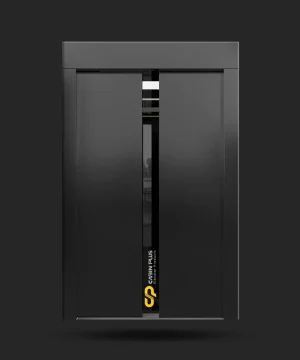
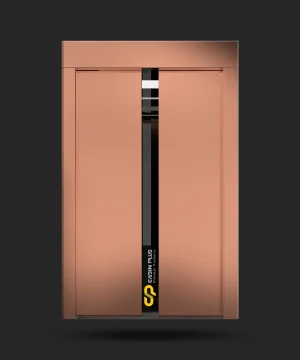
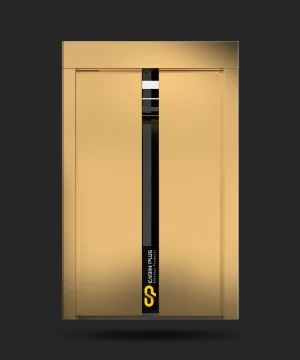
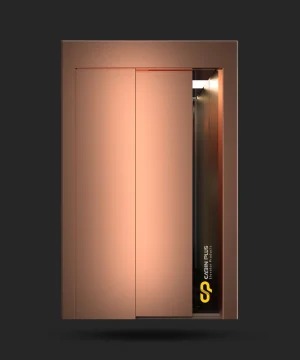
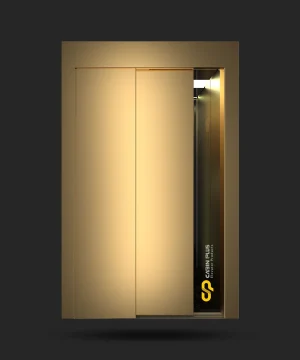
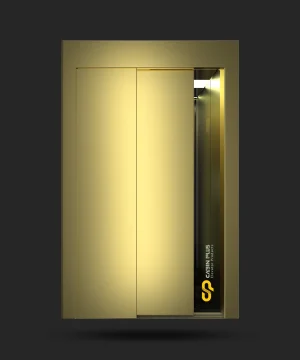
In addition to its aesthetic appeal, elevator door cladding serves as a protective layer for the door, preventing corrosion, rust, and physical damage. Common materials used in the production of door cladding include 304 or 430 stainless steel, tempered glass, wood with PVC coating, and electrostatic powder coating. Among these options, stainless steel is the most widely used, as it is resistant to moisture and scratches and gives the elevator a modern and luxurious appearance.
Claddings are available in a variety of designs and colors such as mirror-finish, brushed, gold, smoky, and rose gold, allowing them to harmonize with the interior design style of the building. In luxury residential and office buildings, the proper selection of elevator door cladding can significantly enhance the overall visual appeal of the space.
2. Mechanical Elevator Door
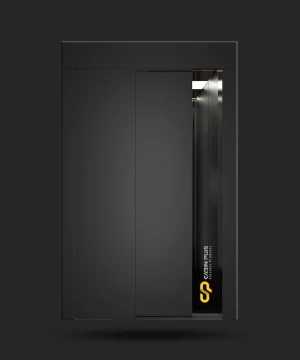
The mechanical elevator door is one of the critical components of the elevator safety system, responsible for opening and closing the door during movement or stops. These types of doors typically include a motor, arms, rollers, hinges, and a safety lock. Precise design of this assembly ensures that the door opens and closes smoothly, quietly, and in full coordination with the movement of the cabin.
The build quality of a mechanical door has a direct impact on the system’s lifespan; low-quality doors may cause rapid wear of components and even disrupt door operation. Reputable brands usually use durable alloys, high-quality bearings, and multi-stage safety systems in their designs to ensure elevator safety and durability.
3. Elevator Bracket
The elevator bracket is a less visible yet extremely important component used in the installation and alignment of elevator guide rails. Brackets play a supporting role by firmly securing the rails in their precise and safe positions.
Brackets are typically manufactured from hardened steel to withstand heavy loads and dynamic forces generated by cabin movement. Accurate installation of brackets ensures that the rails are properly aligned, allowing the cabin to move smoothly without vibration or excessive noise. In modern projects, adjustable brackets (Adjustable Brackets) are used, enabling precise adjustment of angle and distance, and making the installation process faster and more accurate.
4. Elevator Guide Rail
The elevator guide rail is one of the most fundamental components of the elevator’s motion system, responsible for guiding and controlling the vertical movement of the cabin and counterweight. This component is made from rolled steel with very high strength and must have a smooth surface, high durability, and precise dimensional accuracy.
Guide rails are usually produced in T-shaped types (such as T89, T114, T127, and T140) and are selected based on the building’s capacity and height. Precise installation of guide rails using brackets and special fasteners ensures completely safe and deviation-free cabin movement. Any error in rail installation can lead to vibration, component wear, and reduced system lifespan.
Overall, elevator door and guide rail accessories are not merely simple mechanical components; rather, they are vital parts of an integrated and safe system. Proper selection of these components based on the project type, elevator capacity, and environmental conditions can significantly enhance both the safety and durability of the elevator while also improving its visual appeal. Paying attention to reputable brands and ensuring proper installation by experienced specialists is the key to achieving reliable and flawless long-term performance.
