



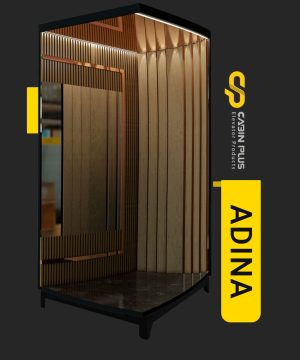


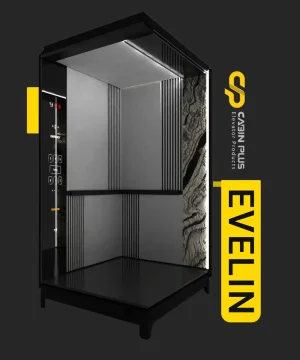
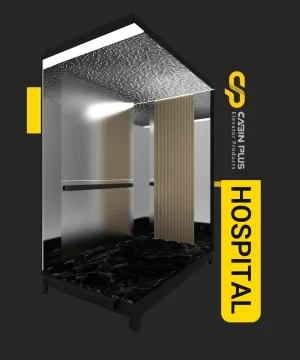
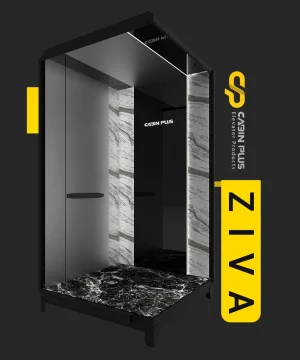
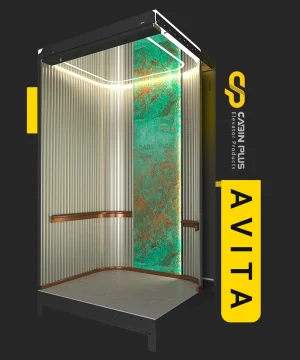
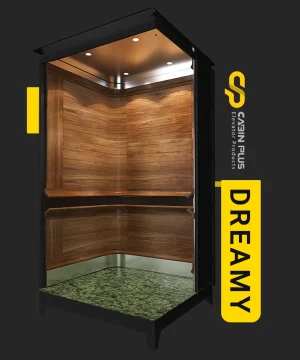
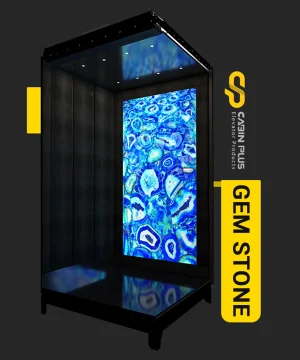
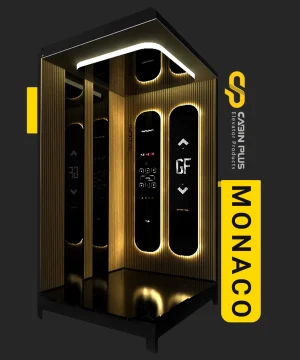
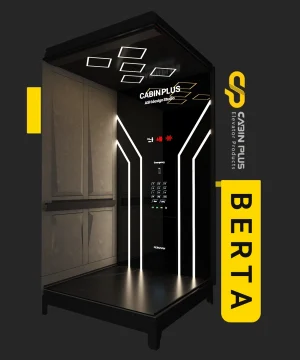
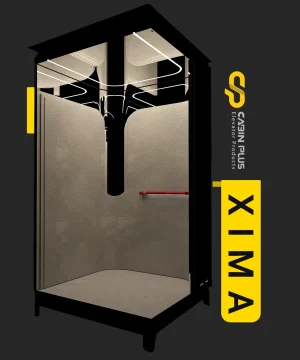
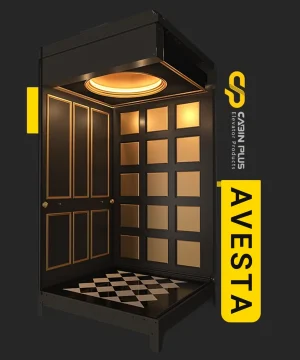
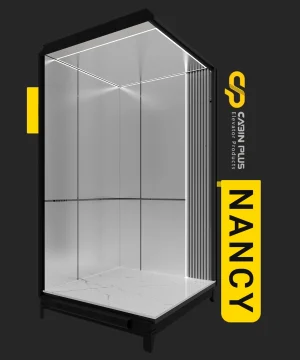
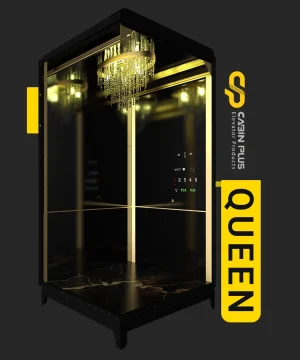
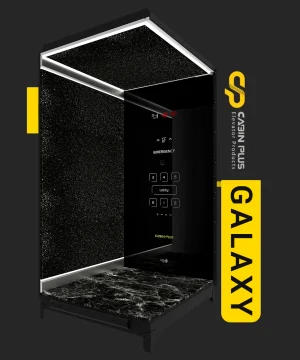
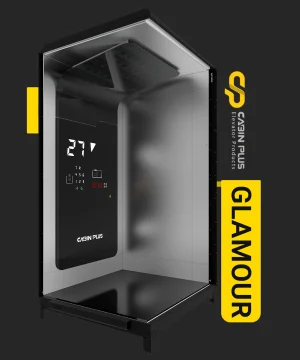
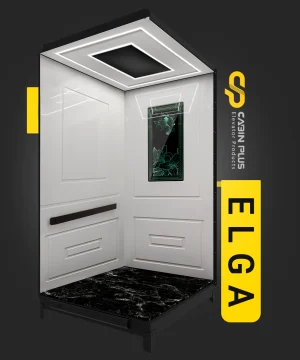
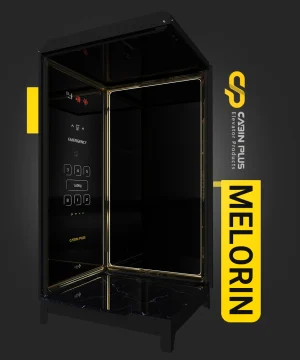
The elevator cabin (Elevator Cabin), as the main and visible part of the elevator system, is a compartment that provides safe and comfortable transportation of passengers or goods between the floors of a building. This component is the intersection of mechanical design, structural engineering, safety, ergonomics, and aesthetics and plays a vital role in user experience and overall elevator performance. Below, the structure, components, standards, materials, technical design, and execution considerations of the elevator cabin are examined in detail.
Overall Structure of the Elevator Cabin
The cabin consists of three main parts:
- Car Frame: The main metal skeleton of the cabin that bears all forces from the floor, walls, and ceiling. This frame is made from high-strength steel profiles and is connected to the suspension system and car sling to the ropes or guide rails.
- Car Platform & Panels: The cabin floor is usually made of thick steel sheets with anti-slip coating, and the walls are made of 304 stainless steel, aluminum, or tempered glass. Besides aesthetics, these components must withstand vibrations and dynamic loads.
- Ceiling and Lighting System: The ceiling is typically made of steel or aluminum panels and includes LED lighting, ventilation openings, and in some cases, a decorative false ceiling.
Materials and Construction
Modern cabins are built using 304 or 316 stainless steel for resistance to moisture and corrosion. In luxury elevators, a combination of natural wood, polished steel, mirrors, smoked glass, and stone flooring is used to convey a sense of beauty and quality. For industrial or freight elevators, thick steel sheets with impact-resistant epoxy coating are applied.
Suspension and Safety Systems
The elevator cabin is connected to the ropes via the car sling system and guided in the shaft by guide rails. A Safety Gear system is installed under the frame, which engages the rails to prevent a fall in case of rope breakage or slippage. Below the frame, elevator buffers absorb impacts caused by excessive downward movement. The ceiling of the cabin is also equipped with an Overload Sensor and, in some models, an emergency ventilation system.
Technical Design and Dimensional Requirements
Cabin dimensions should match its capacity and intended use (passenger, stretcher, freight, car lift, etc.). For example:
- 6-person capacity: approximately 110×140 cm
- 8-person capacity: approximately 140×140 cm
- 13-person capacity: approximately 160×160 cm
According to EN 81-20 and ISIRI 6303 standards, the cabin must have a minimum illumination of 50 lux, proper ventilation, and free space in the ceiling for technician access.
Functional Features and Comfort
One of the key aspects of cabin design is creating a sense of calm and safety for passengers. Therefore:
- Using a soft suspension system and anti-vibration floor is recommended.
- Lighting should be gentle and glare-free.
- Automatic cabin doors must operate silently and with a safety sensor (Light Curtain) to prevent collisions.
- Ventilation should provide a uniform airflow throughout the compartment to avoid a feeling of suffocation.
Control Systems and Interior Equipment
Inside the cabin, the Car Operating Panel (COP) contains floor selection buttons, LED or LCD display, alarm button, intercom, and in smart elevators, touch sensors or card readers. In modern elevators, these panels communicate with a central controller and transmit information such as weight, speed, door status, and possible errors to the monitoring system.
Safety Testing and Inspection
Before operation, the cabin must undergo multiple tests, including:
- Load Test to check nominal weight capacity.
- Safety Gear and Parachute Test.
- Inspection of ventilation and lighting systems.
- Examination of interior surfaces and joints to prevent objects or clothing from getting stuck.
Periodic inspections are usually carried out every 6 to 12 months by licensed companies according to standard regulations.
Modern Innovations
Next-generation cabins use smart technologies such as touchscreen displays, dynamic lighting, voice command systems, and even interactive LED floors. The use of lightweight and durable composite materials to reduce overall cabin weight and improve motor energy efficiency is also expanding.
Conclusion
The elevator cabin is not merely a moving box; it is the result of precise synergy between engineering design, safety, mechanics, and aesthetics. Material quality, frame construction accuracy, adherence to safety standards, and interior design details directly affect comfort, service life, and system safety. Proper selection and construction of the cabin, especially in luxury or high-traffic projects, ensure smooth, quiet, and safe elevator operation for many years.
