


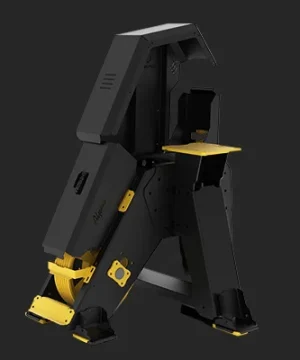
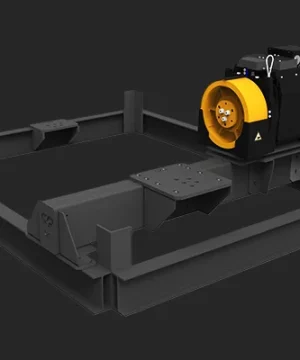
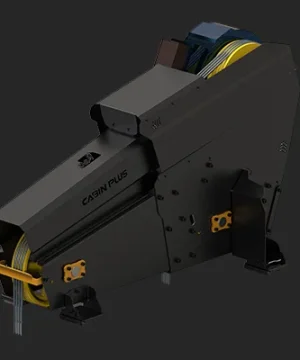
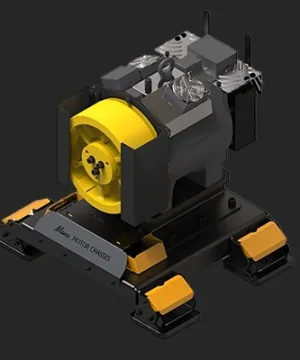
The Elevator Motor Base is a Sturdy Metal Structure Responsible for Supporting, Stabilizing, and Aligning the Elevator Drive Assembly, Including the Motor, Gearbox, Brake, and Auxiliary Equipment.
The elevator motor base, also known by other names such as motor chassis or motor frame, is a vital component in the proper installation and operation of the elevator drive system. This part is usually installed in the machine room or at the top of the elevator pit and plays an important role in safety, mechanical performance, and vibration reduction.
Technical Specifications of the Motor Base
The elevator motor base must have specific technical features to withstand the weight and dynamic forces generated by the motor’s operation:
- Material: Typically made from ST37 or ST52 steel, which has high tensile and bending strength.
- Dimensions and thickness: Depending on the type of motor and elevator capacity, the thickness of the sheets used in the base ranges from 8 to 20 millimeters.
- Welding type: The welding of the base must comply with industrial standards such as AWS or DIN to ensure stable and safe joint connections.
- Surface coating: To prevent corrosion, the base surface is protected with epoxy paint or a galvanized coating.
Functions of the Elevator Motor Base
The motor base performs multiple roles in the operation and safety of the elevator:
- Stabilizing the drive equipment: The motor, gearbox, brake, and traction sheave must be mounted on the base to remain properly positioned.
- Vibration absorption: The base must absorb vibrations caused by motor operation and prevent their transfer to the building structure.
- Aligning equipment: The base should be designed so that the installed equipment is perfectly aligned, preventing abnormal wear and damage.
- Mobility: In some models, the motor base is designed modularly, allowing the entire motor and gearbox assembly to be moved if necessary.
Types of Elevator Motor Bases
Motor bases are categorized based on the type of elevator and installation location:
- Horizontal motor base: For geared elevators where the motor is installed horizontally.
- Vertical motor base: For gearless motors or vertical motors.
- Double motor base: For systems that use two motors simultaneously.
- MRL motor base: Designed for machine-room-less elevators where the motor is installed at the top of the pit.
Installation Guidelines for the Motor Base
Proper installation of the motor base directly affects equipment performance and lifespan:
- Level installation surface: The surface on which the base is mounted must be perfectly flat and level.
- Use of vibration isolators: Rubber or spring vibration dampers should be installed under the base to reduce vibrations.
- Connection to the structure: The base must be anchored to the machine room floor or concrete structure using industrial roll bolts or anchor bolts.
- Maintenance access: The base should be designed to allow access to the motor and gearbox for maintenance purposes.
Standards and Requirements
The elevator motor base must be designed and executed in accordance with international standards such as EN 81 and national building regulations. These standards cover requirements related to mechanical strength, operational safety, vibration reduction, and maintainability.
Conclusion
The elevator motor base not only supports the drive equipment but also contributes to safety, smooth operation, and noise reduction of the elevator system. Accurate design and execution of this component ensure the long-term stable and safe performance of the elevator.
