


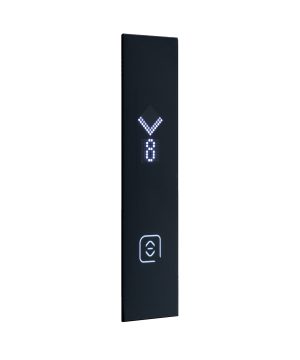
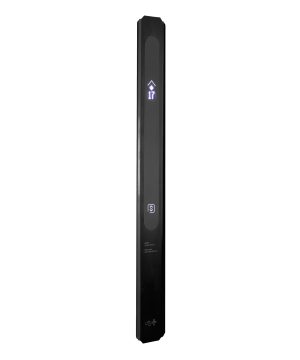
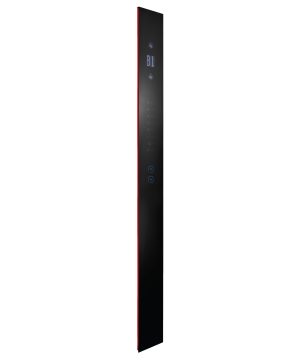
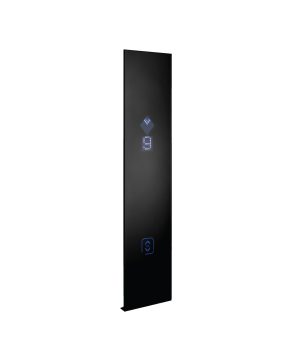
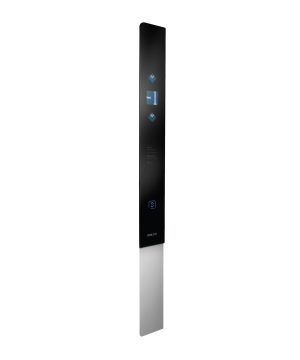
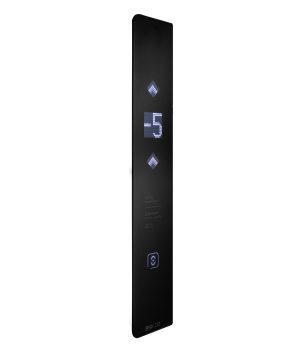
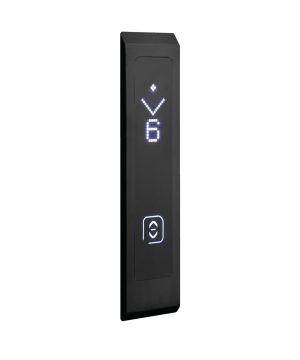
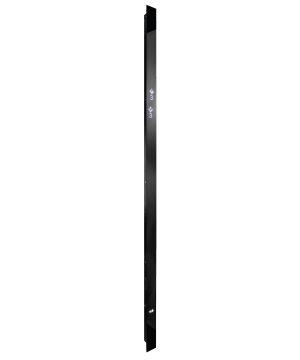
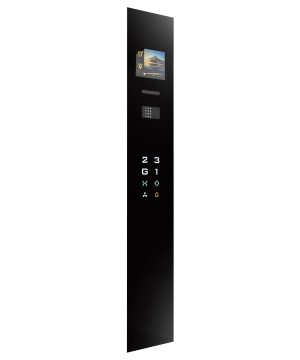
The elevator Push Button (Elevator Push Button) is one of the key and most widely used components in the elevator control system, serving as the interface between the user and the control panel. This small yet vital component is responsible for transmitting motion commands such as floor selection, door opening and closing, and activating special functions (such as emergency stop or service priority). Due to frequent user interaction, push buttons must meet the highest possible standards in terms of design, build quality, and safety.
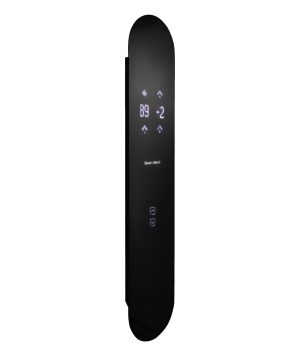
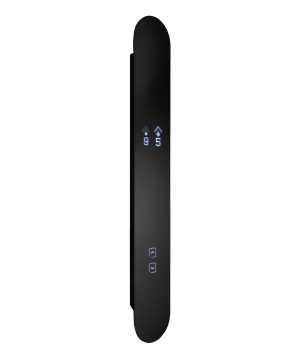
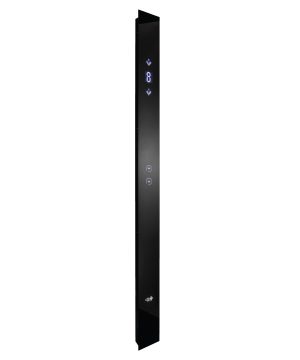
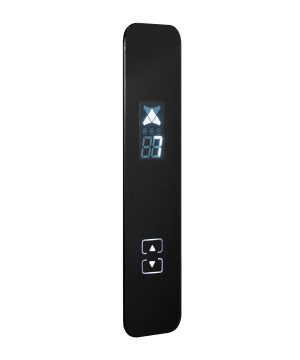
Structurally, an elevator push button consists of several parts: the frame, faceplate, switch or microswitch mechanism, and lighting system (LED). The faceplate is typically made of stainless steel, aluminum, or durable polycarbonate to ensure high resistance to impact, moisture, and wear. In modern projects, touch panels are also used; these lack mechanical parts and operate using capacitive or optical technology.
The microswitch is the functional core of the push button. When the button is pressed, it sends a precise electrical signal to the control panel. In high-quality models, silver contacts with a lifespan exceeding one million presses are used to reduce the likelihood of failure due to repeated operation. To ensure safe performance, most push buttons feature shock-resistant designs and moisture insulation with a high IP rating.
Button illumination, in addition to enhancing visual appeal, has practical applications. LEDs embedded within the push button display the operating status to the user. For example, white or blue typically indicates standby mode, while red shows that the command has been registered and the cabin will move in the selected direction. In some models, programmable RGB LEDs are used, changing color based on the system state.
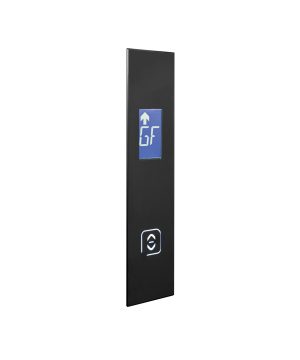
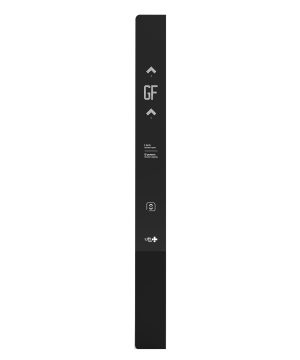
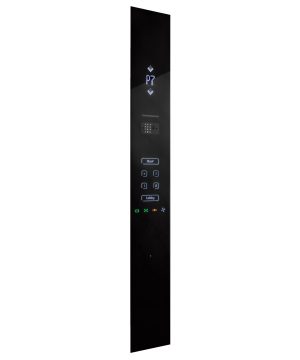
In terms of installation type, elevator push buttons are generally divided into two main categories: car operating panels (COP) and landing operating panels (LOP). Car panels usually include floor selection buttons, door open and close buttons, alarm bells, and position indicators. In contrast, landing panels are responsible for calling the elevator and typically feature two directional buttons (Up/Down). In advanced systems such as group or destination control systems, push button functions are intelligently managed to increase traffic efficiency.
From a design perspective, push buttons can be mechanical, optical, or touch-based. Touch models, due to their aesthetic appeal, ease of cleaning, and high durability, are widely used in luxury projects and modern-designed elevators. In this type, there are no moving parts, and commands are transmitted through contact with a glass surface. Mechanical models, however, remain common in many residential buildings due to their lower cost and ease of maintenance.
Another important factor in selecting elevator push buttons is compliance with international standards. Push buttons must be designed in accordance with EN 81-20 and EN 81-70 standards, which specify aspects such as installation height, accessibility for people with disabilities, font size, illumination, and marking types. For example, under EN 81-70, buttons must include raised symbols or Braille for visually impaired users to ensure universal accessibility.
In terms of brands and technology, reputable international companies such as Schindler, Otis, Kone, and Thyssenkrupp, as well as Iranian brands like آیکار, DOP, Sanei, and Saba, manufacture a wide range of standard and customized push buttons. In newer models, push button systems are equipped with smart LED control, BUS network connectivity, and even integrated digital displays to provide status updates and error notifications.
Overall, an elevator push button is not merely a simple button, but a precise and engineered component of the elevator control system that must be selected and installed with utmost care in terms of both electrical performance and ergonomic, aesthetic design. Adhering to standards, using high-quality materials, and applying proper design principles not only increase durability but also play a crucial role in elevator safety, comfort, and user experience.
