


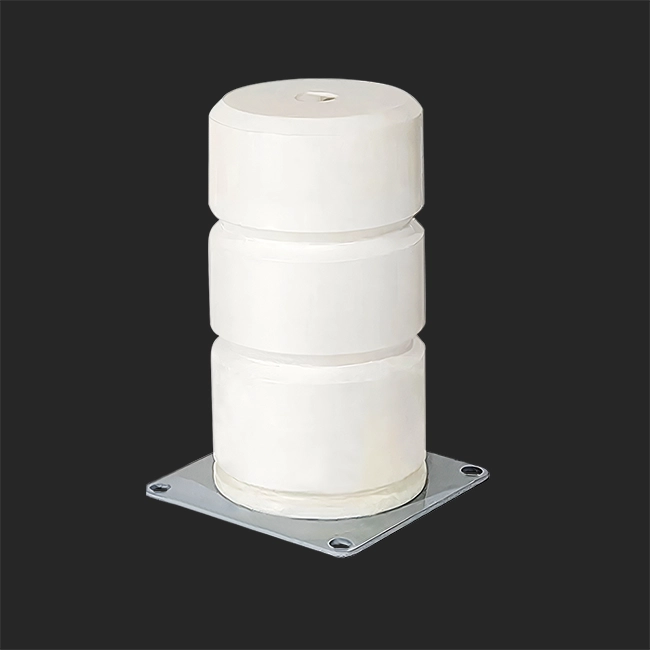
Polyurethane Elevator Buffer
- Made of durable polyurethane and metal spring
- Suitable for cabin and counterweight
- Installed at the lowest point of the elevator shaft
- Absorbs impact and enhances system safety
- Suitable for low-speed elevators
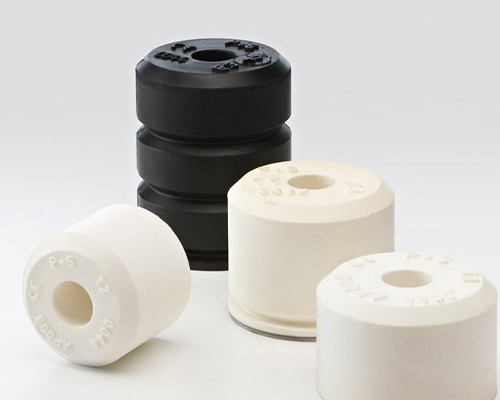
| Model | |
|---|---|
| نوع | پلی اورتان با فنر فلزی |
| موقعیت نصب | انتهای چاهک آسانسور |
| قابلیت استفاده | کابین و وزنه تعادل |
| سرعت مناسب | کمتر از 1.6 متر بر ثانیه |
| Material | فنر فولادی + روکش پلی اورتان |
| عملکرد | جذب شوک و کاهش انرژی جنبشی |
Subscribe to the Newsletter
Polyurethane Elevator Buffer – Spring Buffer Model
The Spring Buffer polyurethane elevator buffer is a key safety component installed at the bottom of the shaft. It plays a crucial role in reducing impact and preventing damage to the cabin and passengers. This buffer is made from a combination of metal springs and polyurethane, designed to absorb kinetic energy during events such as emergency stops or movement errors, converting it into smooth and safe motion.
Application of Polyurethane Elevator Buffers in Modern Systems
In modern elevators, safety and adherence to international standards are critical. One such standard is the installation of buffers at the lowest point of the elevator shaft. The Spring Buffer is mainly used in low-speed elevators or buildings up to 5–8 stories. Its combination of metal and polyurethane provides both durability and effective energy absorption.
Technical Features of Polyurethane Spring Buffer
- Designed with strong metal spring and polyurethane shock absorber
- Suitable for elevators up to a specific rated speed
- Capable of absorbing kinetic energy from cabin and counterweight
- Resistant to sudden impacts and heavy loads
- Easy installation and high durability under various conditions
- Safe operation in emergency situations
Precise Function of Polyurethane Buffer in Elevator Safety
The main function of the polyurethane elevator buffer is to absorb energy when the elevator reaches the lowest point in the shaft. This can occur due to movement control errors, brake failure, or overload conditions. The Spring Buffer plays a vital role in absorbing shocks from the cabin or counterweight, preventing damage to elevator components and ensuring passenger safety.
Difference Between Polyurethane Spring Buffer and Hydraulic Buffers
The key difference between the Spring Buffer and hydraulic buffers lies in their energy absorption mechanism. Hydraulic buffers use oil and pistons, while the Spring Buffer absorbs energy through spring compression and returns to equilibrium. Although spring buffers are not suitable for high-speed elevators, they are highly effective and cost-efficient for smaller systems.
Technical Specifications of Polyurethane Spring Buffer
| Specification | Details |
|---|---|
| Model | Spring Buffer |
| Type | Polyurethane with metal spring |
| Installation Position | Bottom of the elevator shaft |
| Applicable To | Cabin and counterweight |
| Suitable Speed | Less than 1.6 m/s |
| Material | Steel spring + polyurethane cover |
| Function | Shock absorption and kinetic energy reduction |
Advantages of Using Polyurethane Spring Buffers
Using Spring Buffers in elevators is a smart and economical choice for low-speed and low-traffic buildings. They protect passengers, increase the lifespan of elevator systems, and offer easy installation, low maintenance, and reliable performance, making them a popular choice for construction projects.
Conclusion
The Spring Buffer combines precise engineering, high safety, and mechanical durability, making it a key component for maintaining elevator integrity. For a safe, cost-effective, and efficient energy absorption solution in elevator systems, this buffer is a reliable choice. It is recommended to consult technical experts before installation to select the correct model based on elevator speed, capacity, and type.
