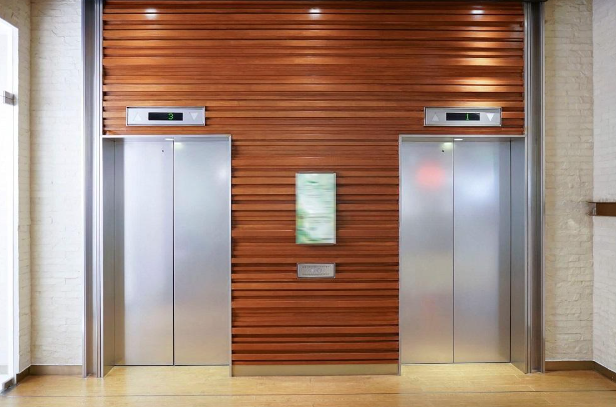
9 Important Points Before Ordering an Elevator Door
Important Tips for Ordering Elevator Doors
An elevator is considered a vital and functional part of any building, and today, its use in various types of structures has become extremely important. Elevators are used by many people throughout the day; therefore, the failure of any elevator component causes significant problems for the building’s residents. Every elevator consists of various components, including rails, doors, cabins, motors, control panels, mechanical parts, and commissioning equipment. The elevator door is one of the most important and frequently used components in an elevator system, which, in addition to aesthetic aspects, plays a crucial role in elevator safety. The function of the elevator door is to prevent people from falling into the shaft and to protect the lives of passengers. The installation of the elevator door is carried out after the ironwork and rail installation stages. Choosing the right door for your elevator system is very important and depends on factors such as the type of building use, shaft specifications, personal taste, price, and other factors. Great care must also be taken during the installation of the elevator door. Correct information about purchasing an elevator and having sufficient knowledge before ordering the elevator door and other components can significantly help individuals choose a standard and fully safe elevator. In this article, we guide you through the key points of purchasing an elevator to find the right one for your needs. Stay with us.
Why is Ordering an Elevator Door Important?
Selecting and ordering an elevator door is actually one of the vital and important aspects of designing and constructing an elevator. The following reasons show why choosing an elevator door matters: Safety: Elevator doors must be able to maintain the safety of people inside the elevator. They must have unlocking and safety systems that prevent unwanted accidents, such as falls or people getting stuck. Therefore, reliable and dependable doors can preserve passenger safety. Speed and Efficiency: Elevator doors must have appropriate speed and efficiency. When doors open and close quickly and efficiently, passenger waiting time on each floor is reduced, and the overall movement of the elevator improves. Choosing high-performance doors with appropriate speed contributes to the ease and comfort of using the elevator. Design and Appearance: Attention to design and appearance is also important when ordering elevator doors. When doors are designed with an appropriate and attractive look, they contribute to the overall beauty and style of the elevator. Resistance to Wear and Failure: Elevator doors must have adequate resistance to wear and tear because they are used frequently and are constantly involved in moving, opening, and closing. Sturdy, high-quality doors require less maintenance and repair, thereby reducing operational and maintenance costs. Based on the above, it can be concluded that ordering elevator doors with care and awareness is of great importance. Choosing safe, reliable, fast, and beautifully designed doors improves the experience of using the elevator and transforms the building into a beautiful yet safe environment.
Key points before ordering an elevator door
9 Important Tips You Should Know Before Ordering an Elevator Door!
Before ordering an elevator door, consider the following important points: Standards and Regulations: Ensure that the elevator doors you intend to order comply with local and international standards and regulations. This includes safety standards, design, materials used, and the dimensions of the space required for installation. Materials Used: The materials used in manufacturing elevator doors must be very strong in terms of safety and quality. Some standard materials include stainless steel, aluminum, and shock-resistant laminated glass. Choosing the right material increases safety in door performance and reduces elevator-related risks. Safety: Elevator doors must certainly have strong and reliable safety systems. Before ordering, check if the doors have secure locks that prevent unauthorized opening and unwanted accidents, such as falls or entrapment. Resistance and Durability: Elevator doors must have adequate resistance to wear and failure. Ensure the doors are made of high-quality materials and meet industrial standards. Also, check if the doors are easy to maintain and if spare parts are available. Door Type and Opening/Closing System: When ordering an elevator door, you can choose between folding, fully automatic, semi-automatic, etc. Each type of opening and closing system has its own advantages and limitations; therefore, evaluate which one is the best option according to your needs. Cost and Budget: Considering the costs associated with ordering an elevator door is important. Ensure the chosen doors are within your budget range. Additionally, comparing prices and receiving advice can help you make the right choice. Checking Seller Credibility: Verifying the seller’s credibility before ordering ensures that the doors you receive are of excellent and acceptable quality. This is vital because the elevator door is a critical part of the system, and any failure or defect in it can affect the elevator’s performance. Experience and Expertise: Experienced and reputable sellers in the elevator industry have appropriate technical expertise and knowledge. They can provide professional advice on the type, design, and opening/closing system suitable for your needs. Cabin Plus Industrial Group, with the most experienced experts in the field of ordering elevator doors, is ready to serve you. After-Sales Service: Check if the supplier or manufacturer of the elevator door provides after-sales service. This includes maintenance, spare parts supply, and technical support. Ensure the company has high customer satisfaction in this area.
What points to consider before ordering an elevator door?
How to Choose an Elevator Door?
You may wonder what parameters you should consider and based on what factors you should choose the right door when ordering. In this section, we answer this question. Every elevator door must be compatible with its environment and location of use. Some of the most important things to consider before ordering are: Building Type: The elevator door must be compatible with the type of building. Commercial, residential, office, or industrial buildings may have different requirements for door design and installation. Physical Environment: The surrounding environment and installation location must also be considered. Important environmental factors include the space around the elevator, lighting, temperature, and humidity. The door must be resistant to environmental factors. Compatibility with Building Appearance: The elevator door should harmonize with the overall style and design of the building. You can use various types of materials, colors, and designs for the doors to enhance the building’s overall appearance. User Needs: Finally, the elevator door must meet the needs of the users. This includes door opening and closing speed, noise levels, locking systems, and ease of accessibility. In any case, consulting with a manufacturer or a specialized company in elevator door design and installation can help you choose a door that has the best compatibility with the intended location.
Ordering elevator doors at a reasonable price
Designing and Ordering Elevator Doors
When ordering an elevator door, its dimensions and size depend on the type of elevator, capacity, and local standards. Here are some common dimensions for elevator doors: Typically, the width of an elevator door is around 80 to 120 cm. This size varies depending on the capacity and type of elevator (e.g., standard elevator or freight elevator). The height of the elevator door also varies and depends on the elevator’s capacity. Usually, in standard elevators, the door height is about 200 cm. However, in larger freight elevators, this height may be greater. The thickness of the elevator door is also important and must be made of materials that have appropriate strength and resistance. Usually, the thickness of the door is around 2 to 5 cm. The entry height of landing doors must be at least 195 cm. This height allows people to enter and exit comfortably. The effective width considered for landing doors should not be more than 50 mm wider than the door and cabin width on both sides. This measurement helps with precision and proper movement during entry and exit. Each elevator landing door has a threshold and must have sufficient resistance against the forces applied to the cabin during loading. This resistance must protect elevator users from a structural and safety standpoint. Landing doors must be installed and designed in such a way that they do not derail at the end of their path during normal operation. This is very important for the safety and correct functioning of the elevator. The design of elevator doors and their edges must prevent injury or damage caused by a person, clothing, or even objects getting caught between the doors. Therefore, any protrusions or indentations exceeding 3 mm on the external surface of automatic sliding doors must be avoided, and their edges must be flattened for opening. The force used to close the door at the start of its movement should not exceed 150 Newtons. If this force is higher, it may cause injury to people inside the elevator. In any case, for designing and ordering elevator doors, it is best to consult with an elevator manufacturer or specialized company to obtain the correct dimensions based on needs and local standards. In this regard, you can refer to the Cabin Plus Industrial Group, which has a brilliant track record, and benefit from their high-quality services.
Why is the elevator door important?
Safety Tips in Elevator Door Design
Since ordering an elevator door is highly significant and plays a vital role in user safety, it is necessary to become familiar with some safety tips in the design of this section. The first important point is that the elevator door must be equipped with a secure locking system. This system must be capable of preventing unauthorized door opening and entry into the elevator shaft. Also, the elevator door must be equipped with safety sensors that automatically open the door if an obstacle is detected during closing to prevent pressure or injury to individuals. In case of danger or unfortunate events such as a power outage, the elevator door must be equipped with an emergency system that allows the door to be opened for passengers to exit in urgent situations. Another important safety point is that the elevator door must have clear and visible signs to help users identify the location and status of the door.