


Types of Elevator Frames
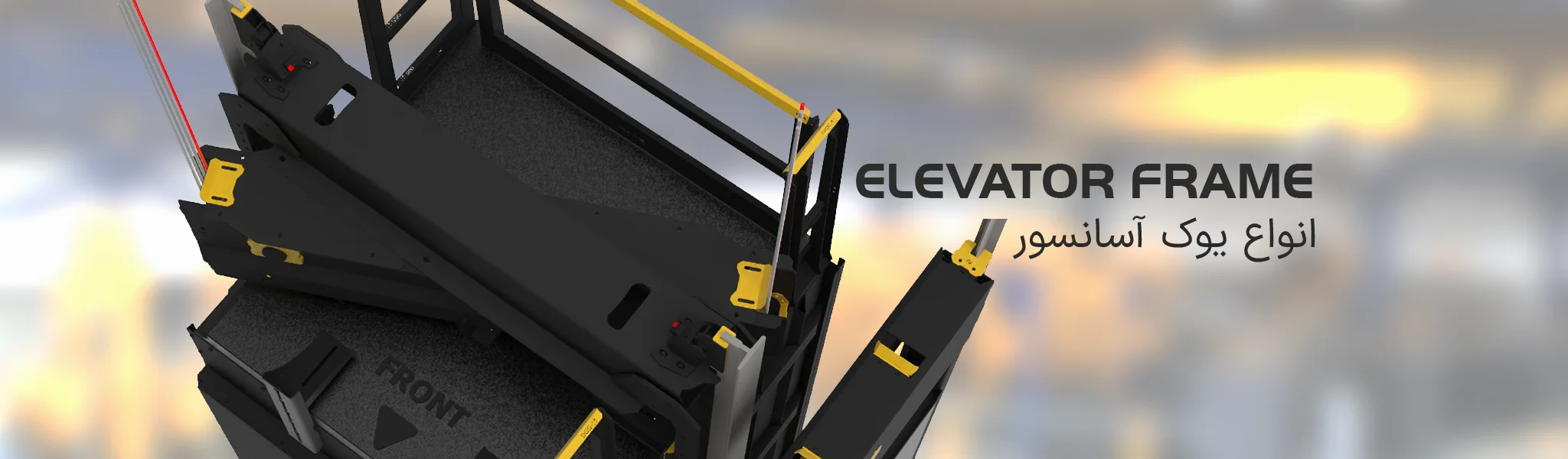
Elevator Frame
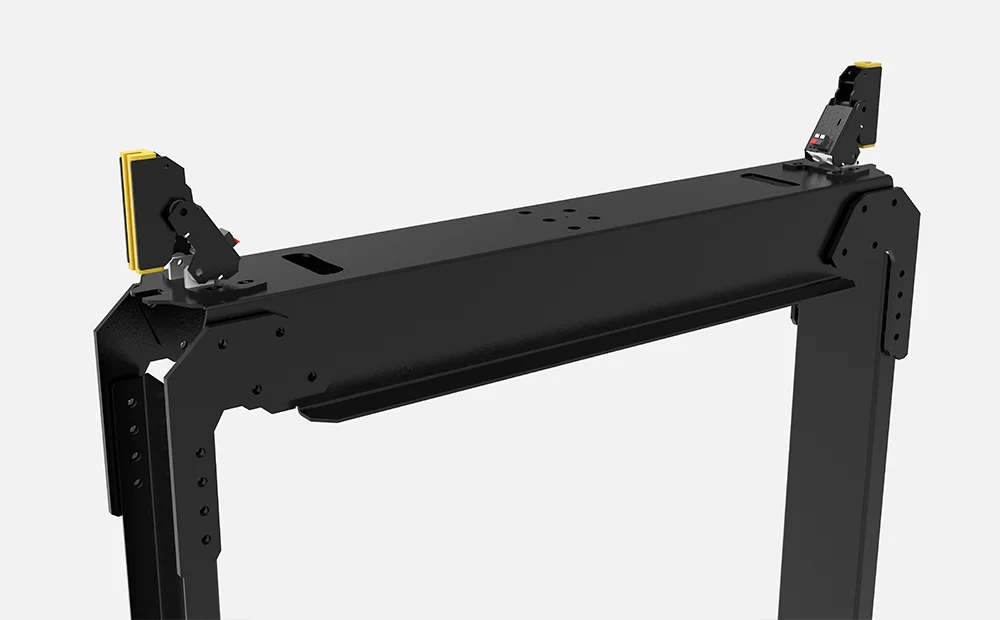
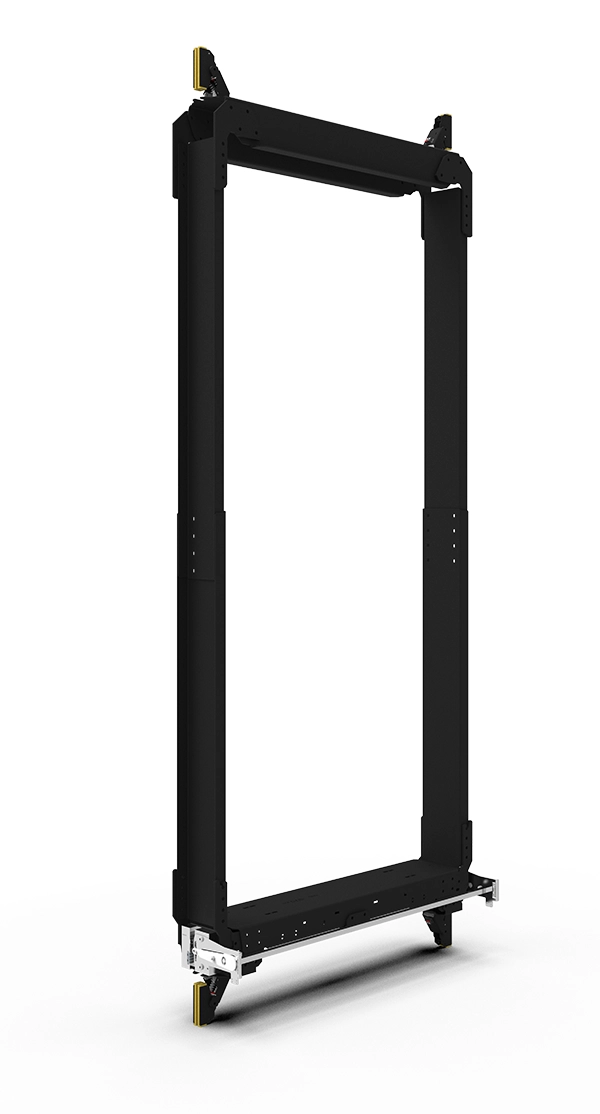
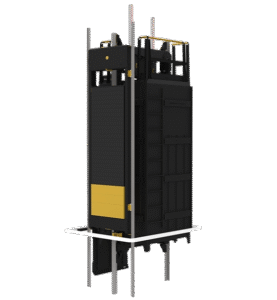
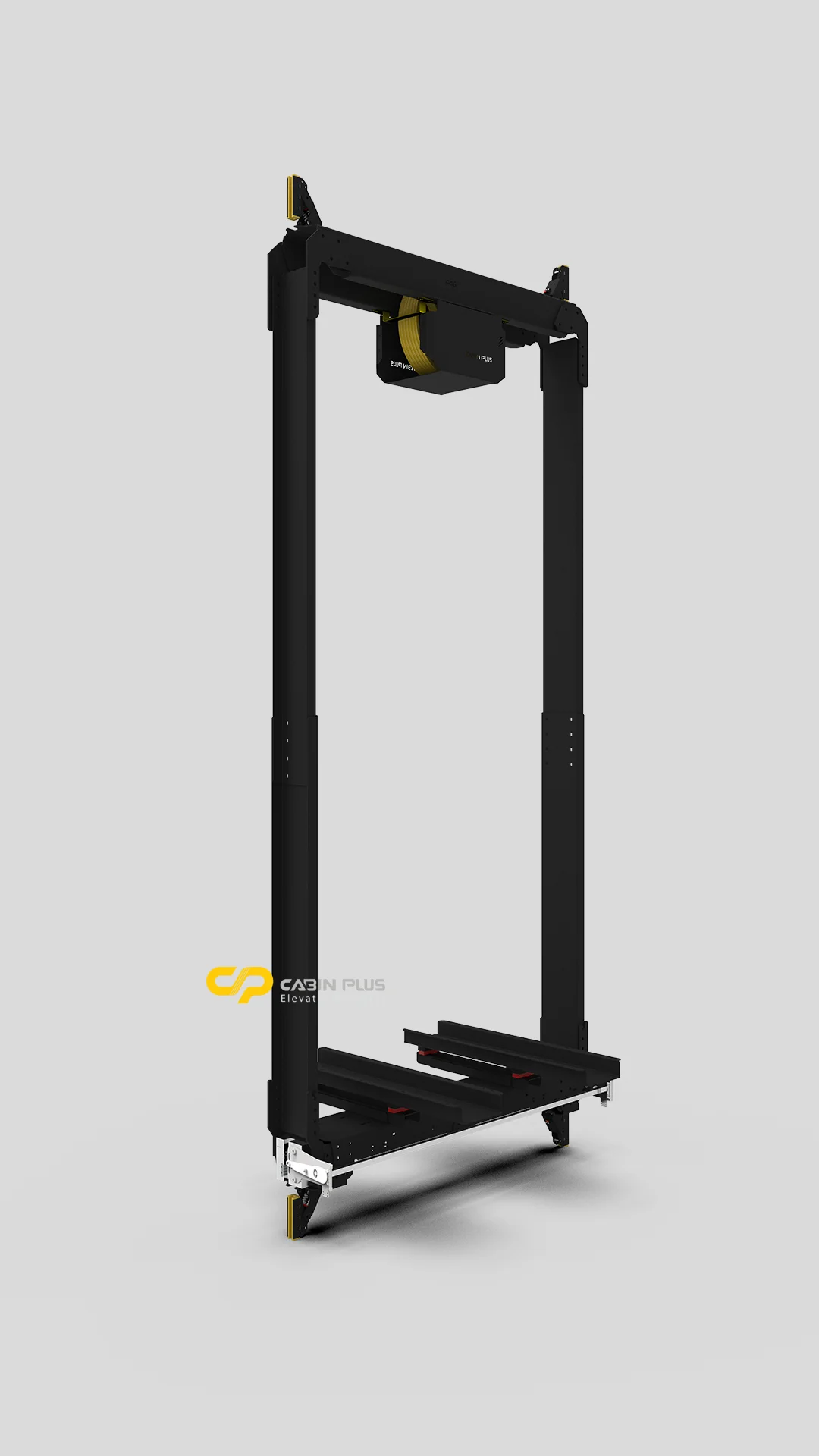
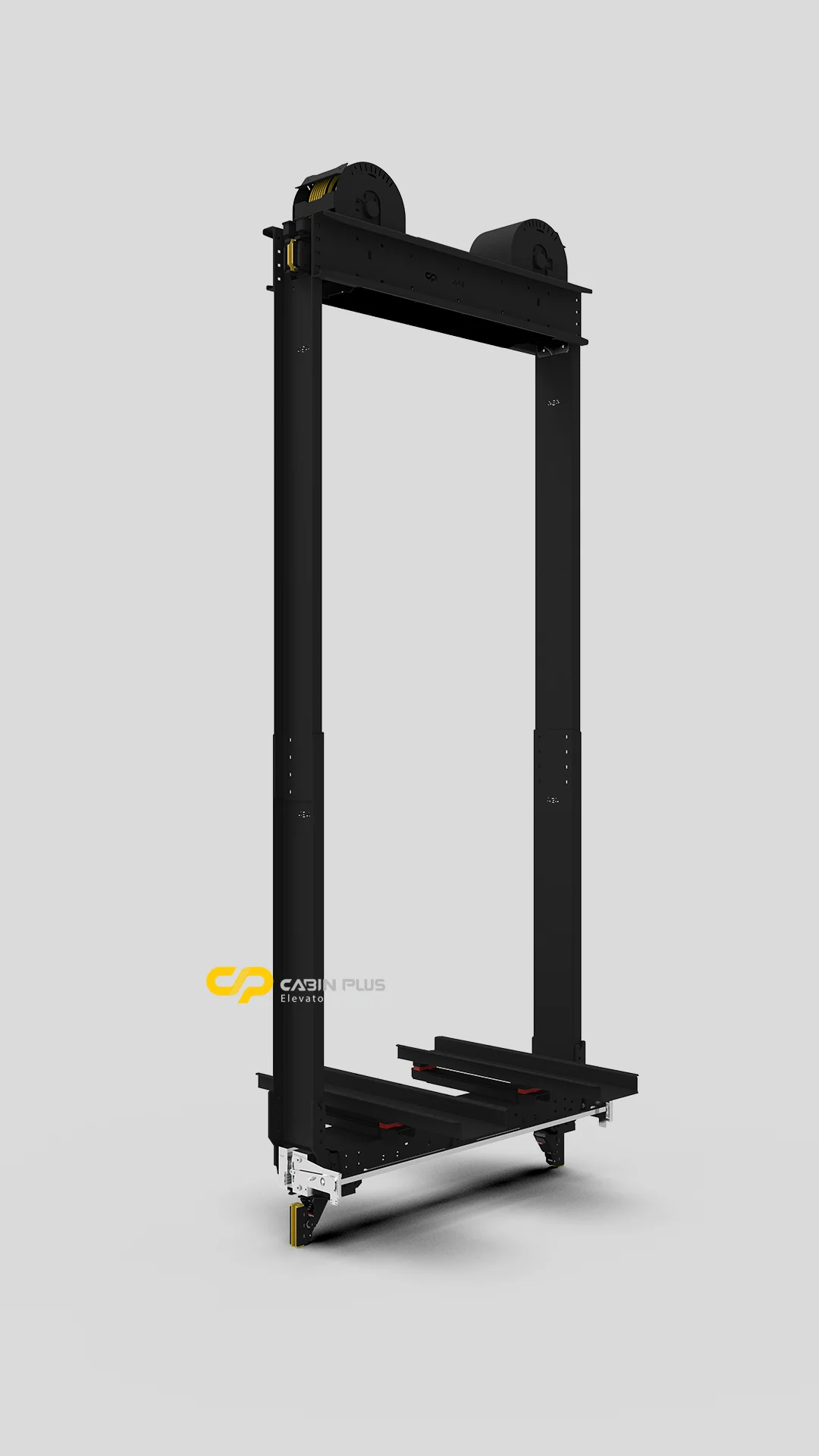
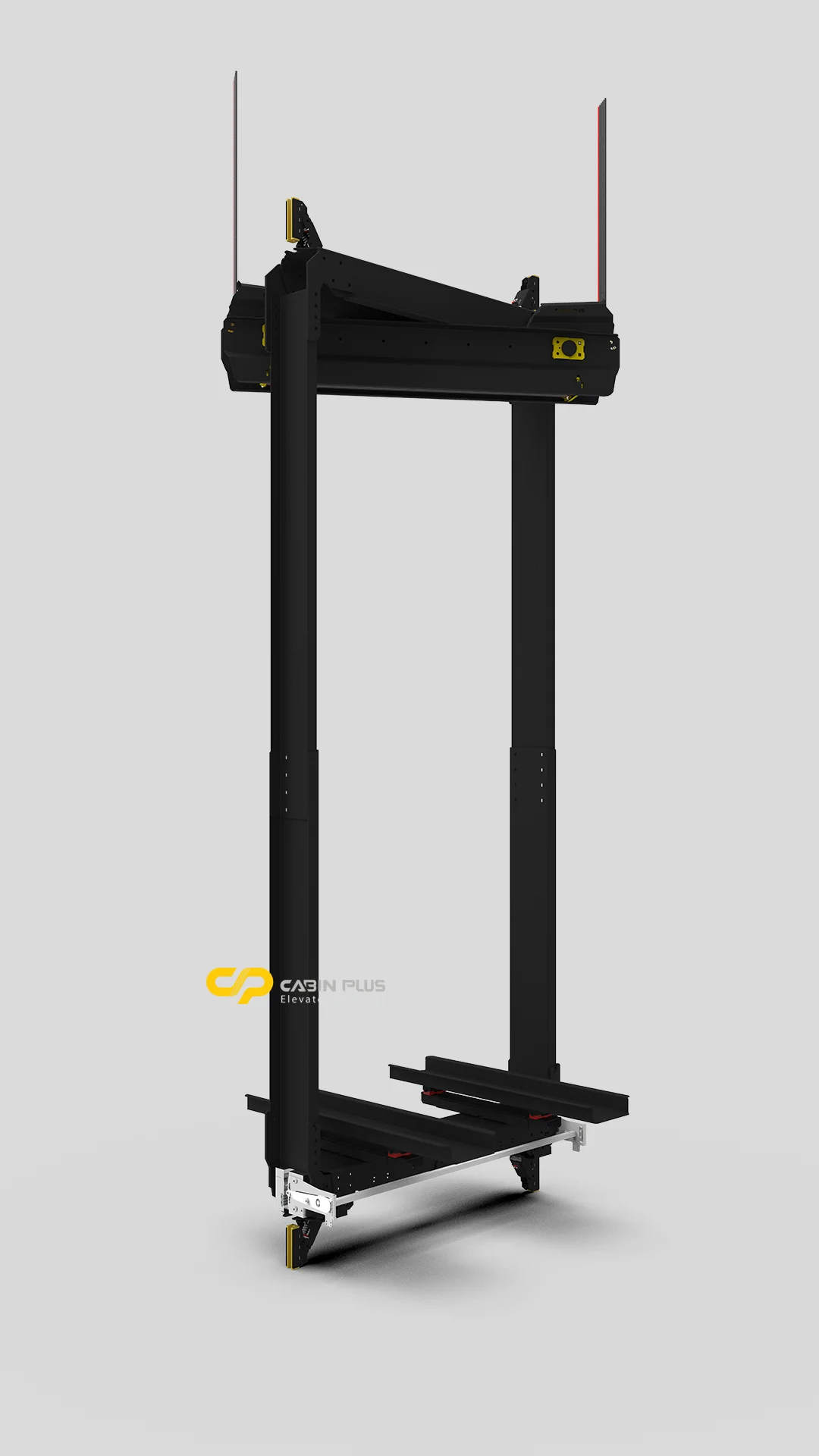
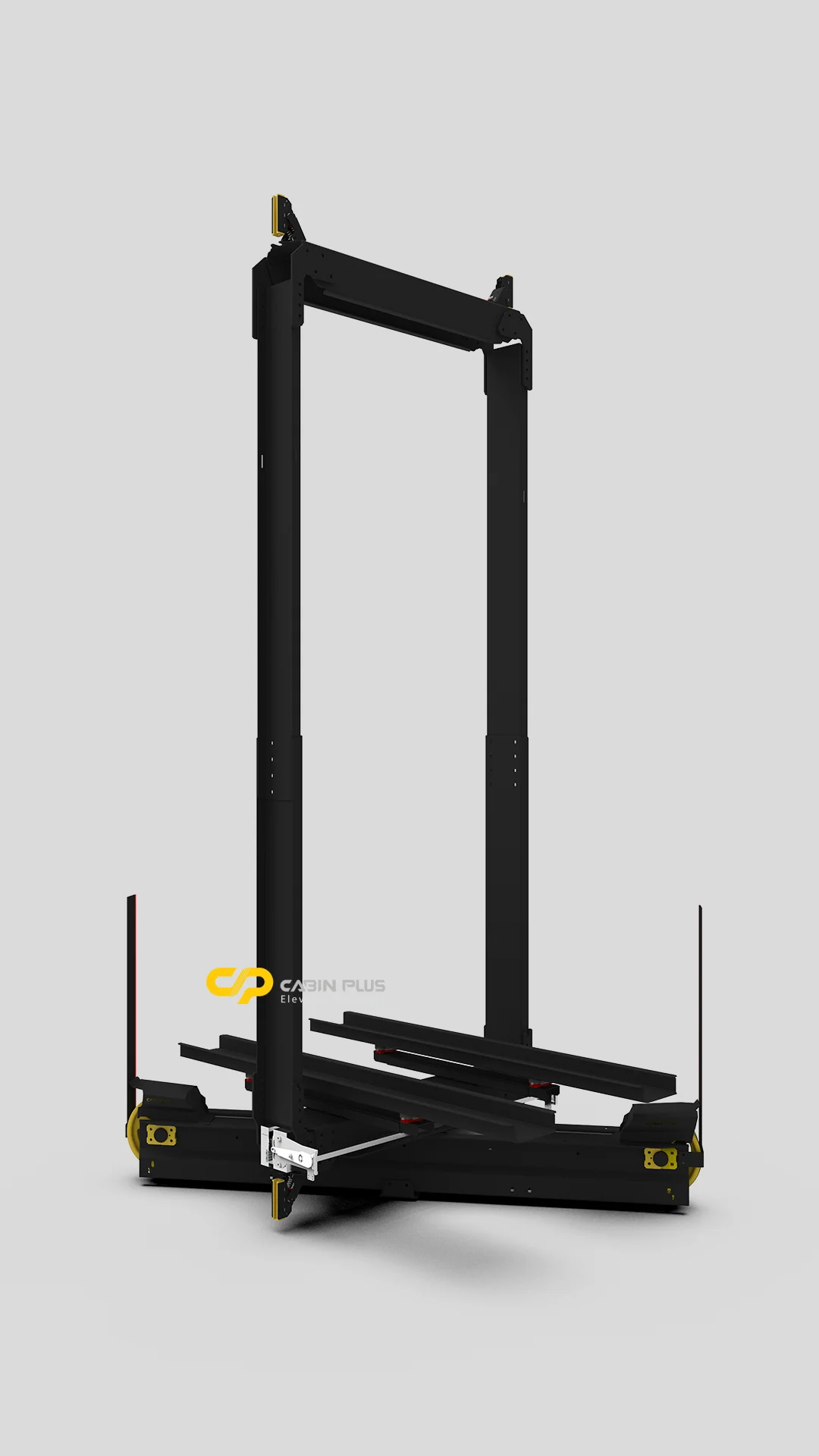
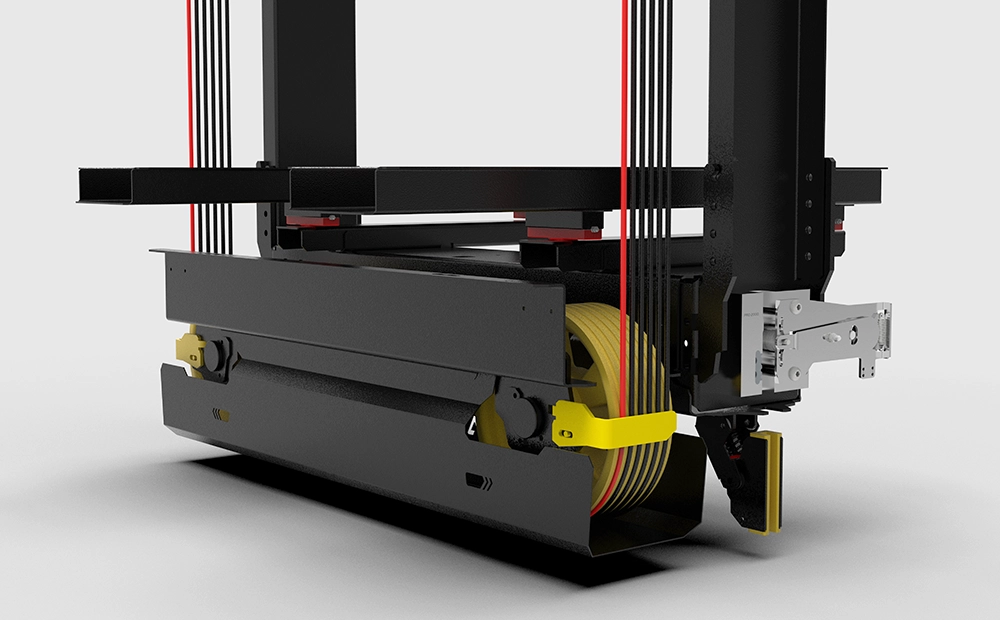
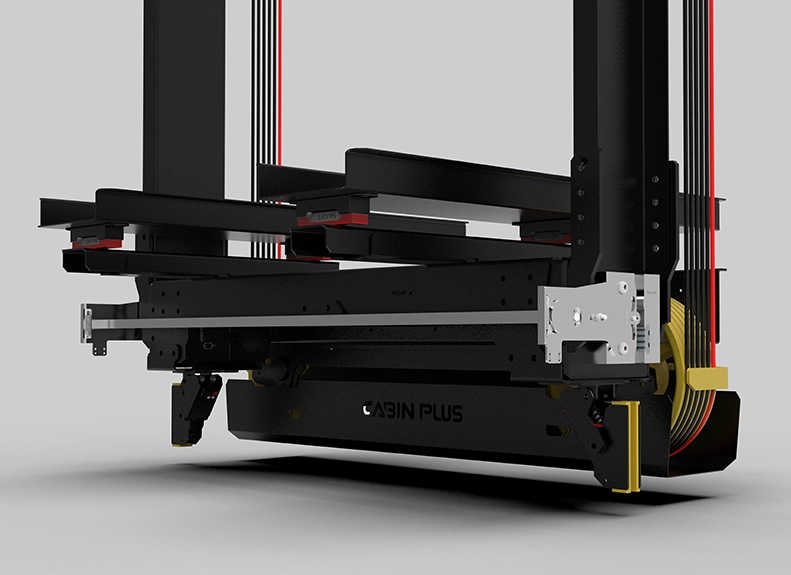
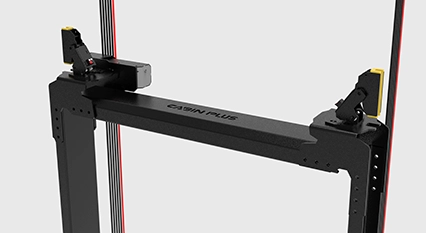
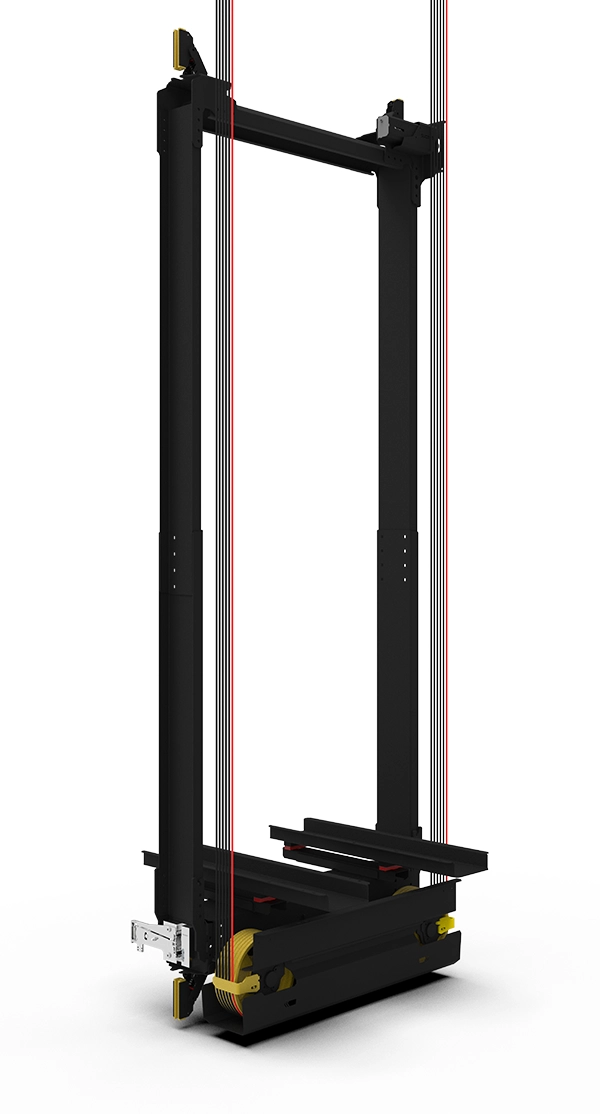
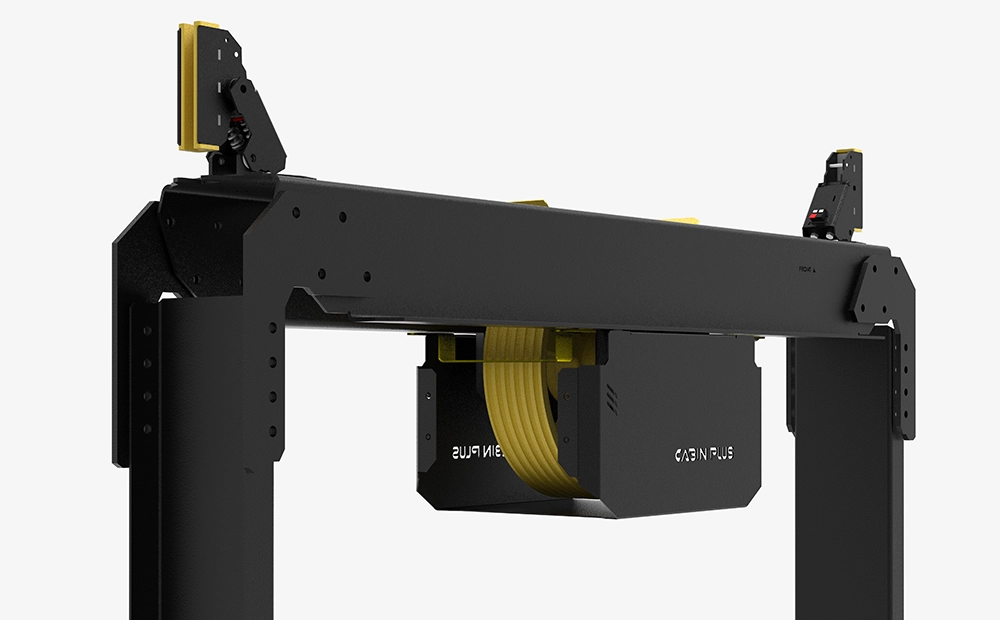
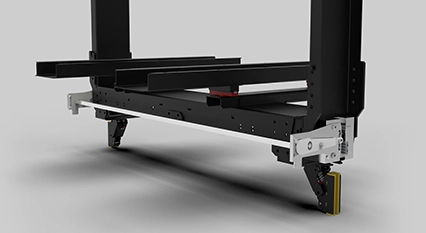
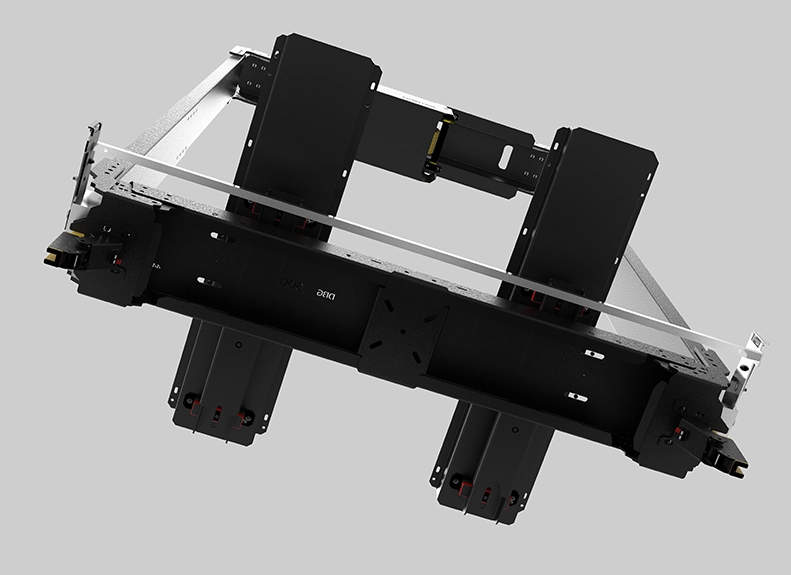
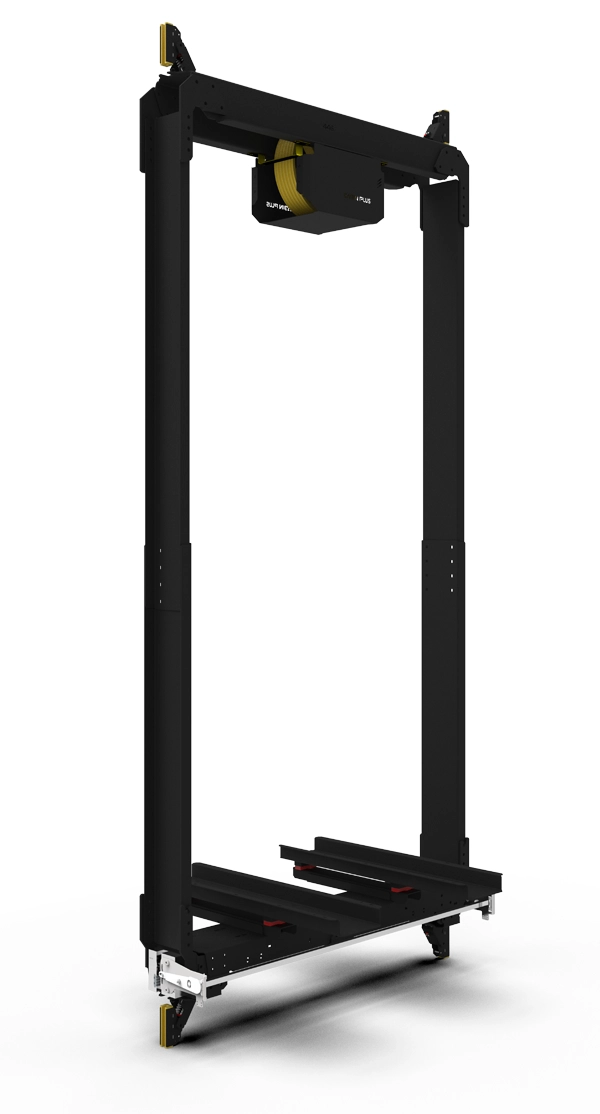
The yoke or car frame is one of the main mechanical components in an elevator that plays an important role in transmitting power and motion. This part is typically made of durable metals and acts as the central axis or main frame between the elevator car and the hoisting system. The yoke works with the cables and elevator motor to move the car stably and safely along the path. The yokes are also composed of three parts: the upper yoke, the lower yoke, and the yoke. In the Cabin Plus, each part is precisely and completely engineered to improve the performance and safety of the car.
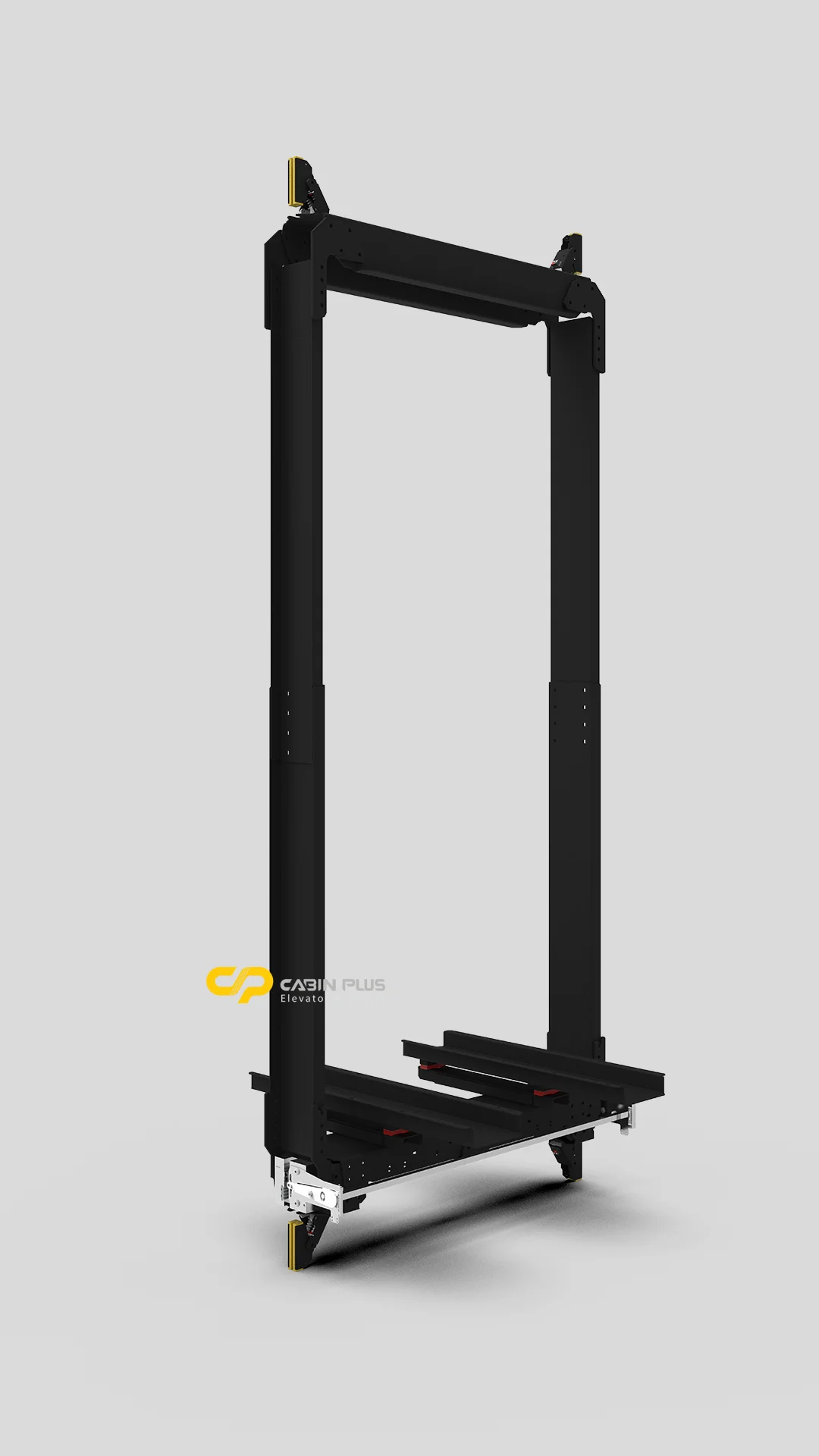
Upper Parallel Frame
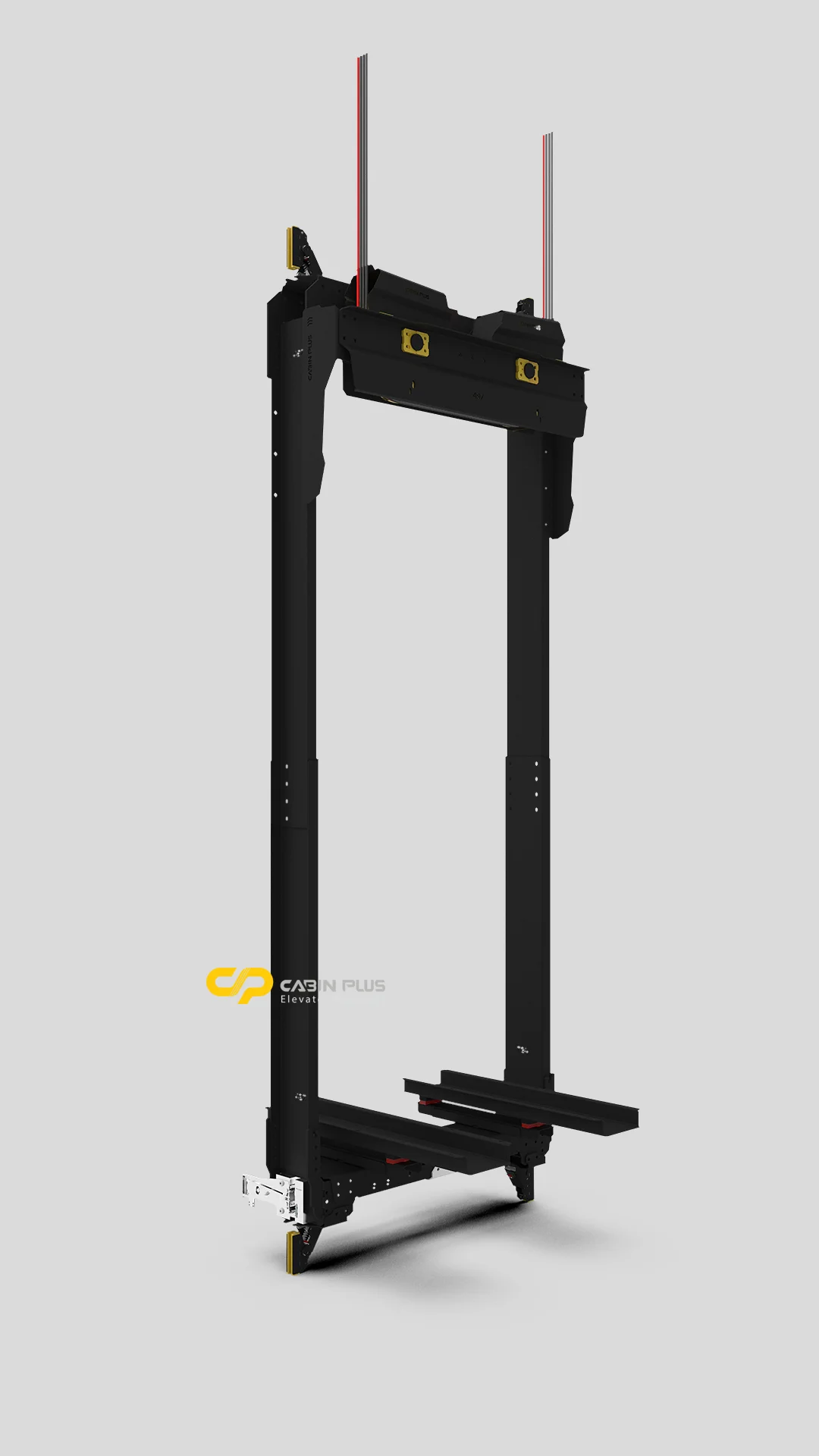
This section is a steel frame that is installed parallel to the guide rails at the top of the car and acts as the main support and holder of the car. The upper parallel frame plays an important role in the proper operation of the elevator by providing stability and safety to the car.
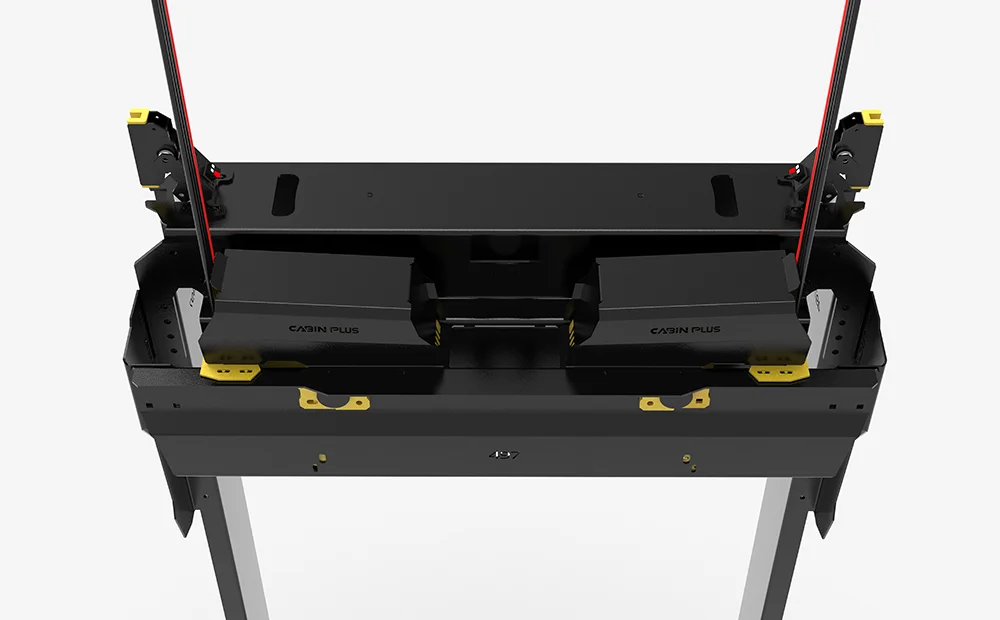
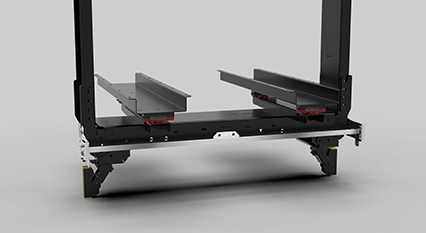

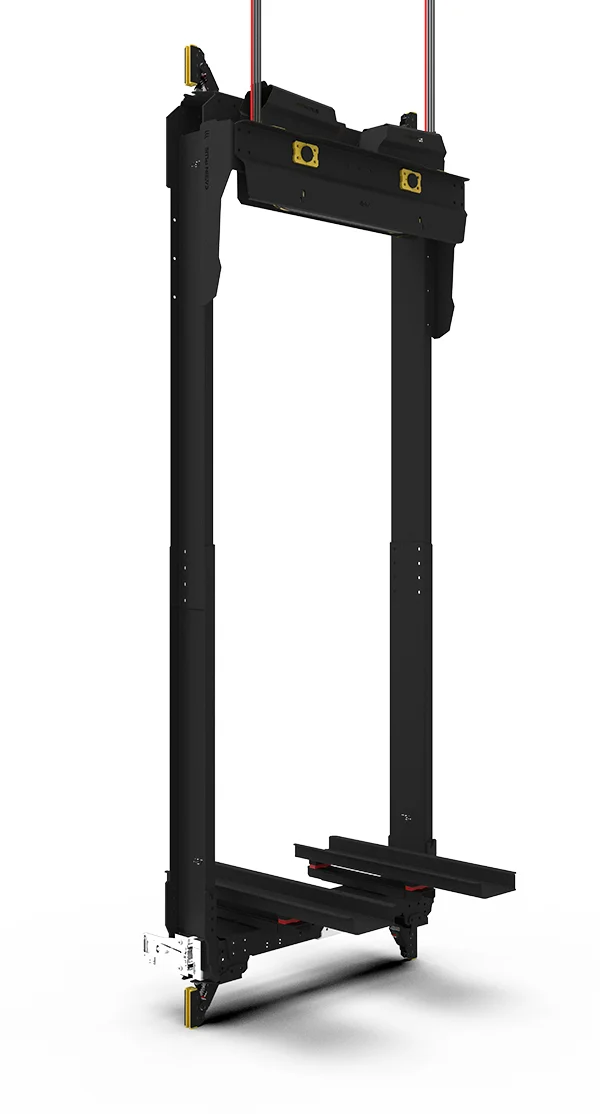
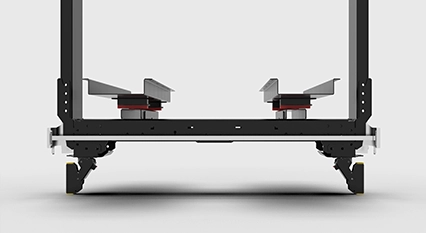
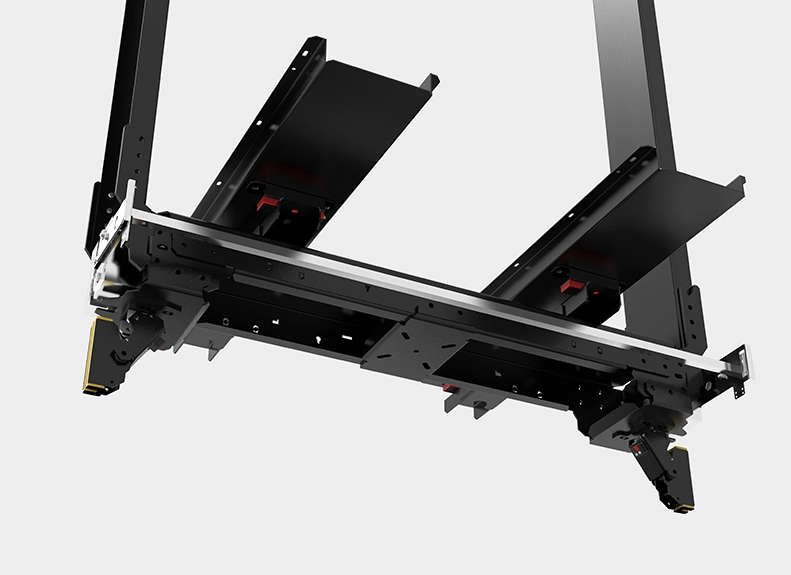
Lower Parallel Frame
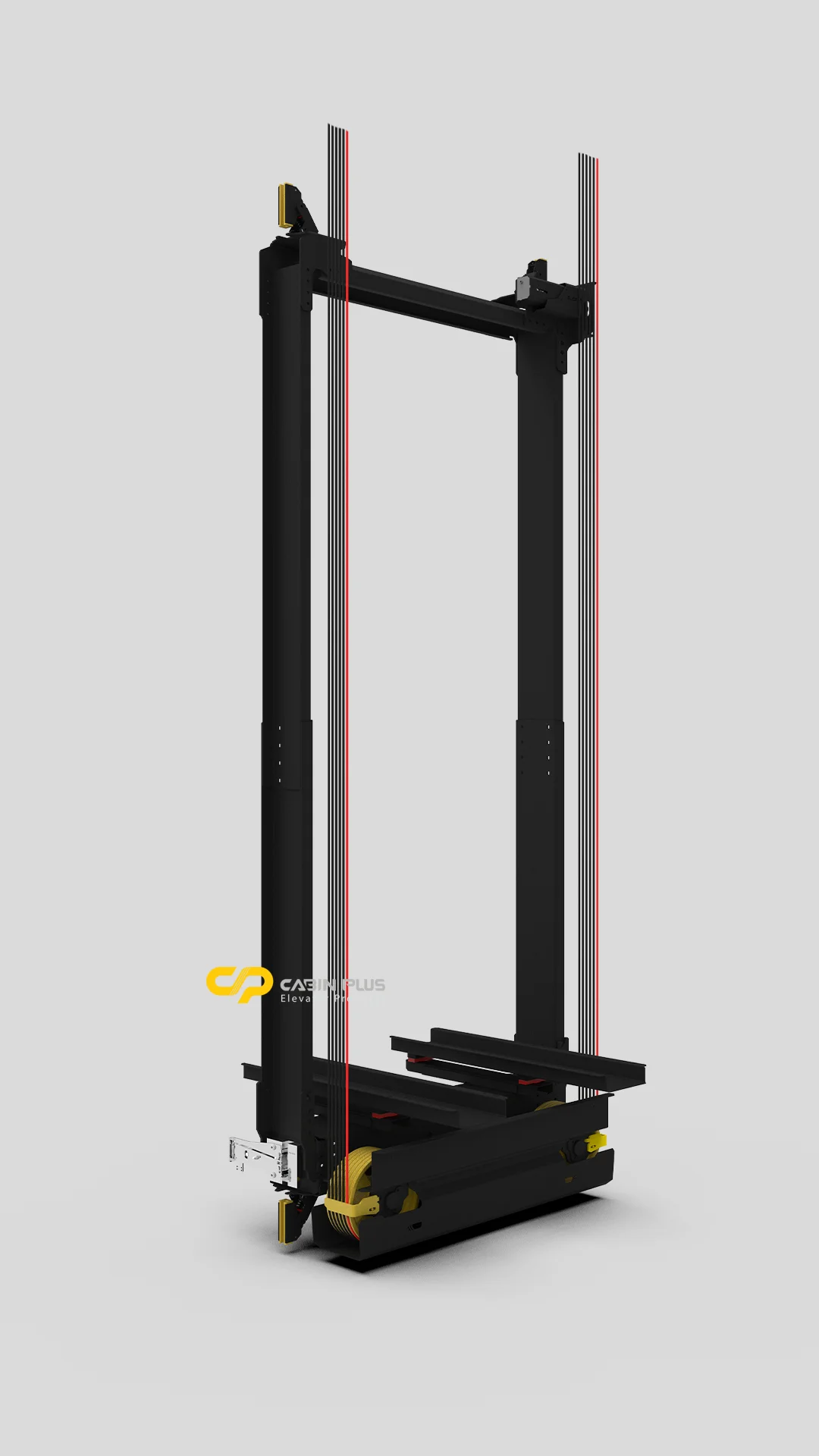
A part of the elevator mechanical system that acts as a support and retainer for the car. These types of yokes are more commonly used in MRL elevators with limited space and where the distance between the rails is large (weight rail and car). This part is installed at the bottom of the car and, like the upper parallel yoke, is parallel to the guide rails to ensure the stability and safety of the car.
Upper Single Sheave Frame
The upper single sheave frame is a steel frame that is connected to a single sheave at the top of the car. This sheave yoke securely holds the suspension cables and is installed parallel to the guide rails at the top of the car. This type of yoke is also used in elevators that are back and reverse weighted.
Upper Double Sheave Frame
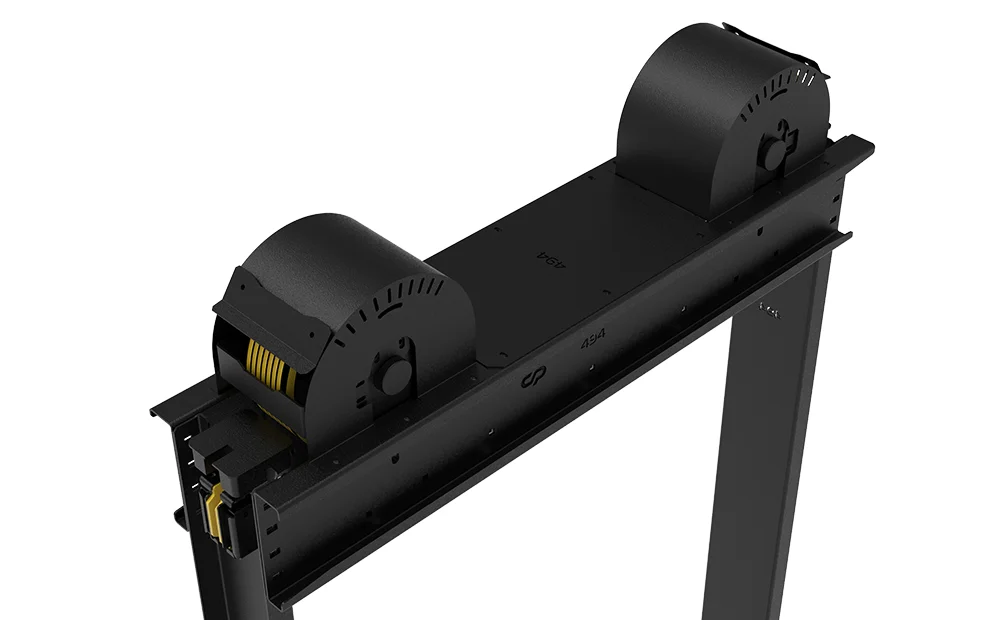
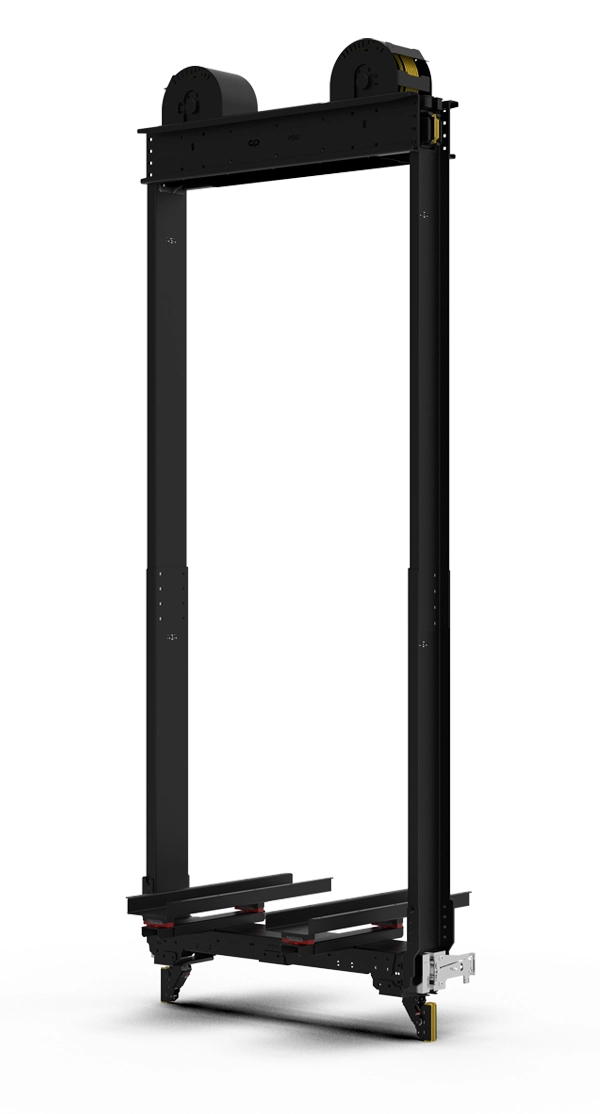
The upper double sheave frame consists of a steel frame with two sheaves mounted on top of the car. The yoke securely holds the suspension cables and, by running parallel to the guide rails on top of the car, helps to stabilize and protect the car.

Upper Angled Double Sheave Frame
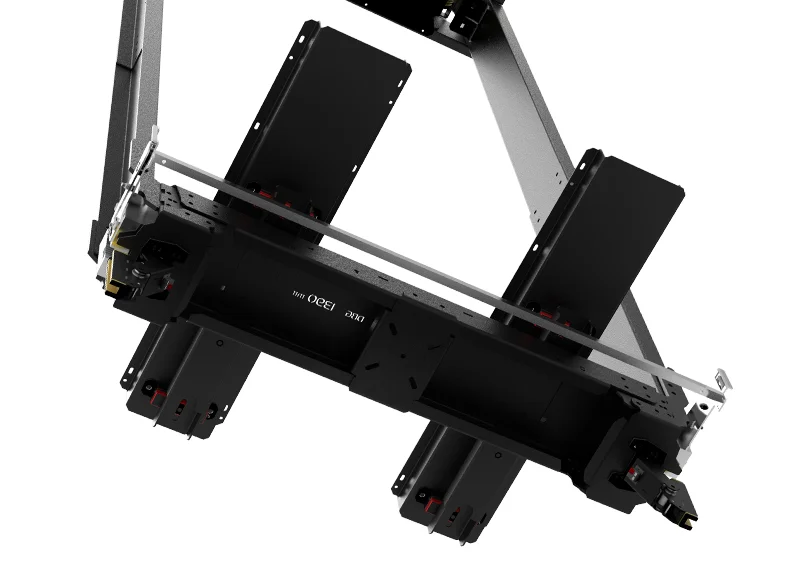
This part of the elevator mechanical system consists of a steel frame with two sheaves mounted diagonally above the car. This yoke securely holds the suspension cables and, by being positioned at a specific angle, helps to stabilize and protect the car. It also uses a sub-yoke to provide a 180-degree angle.
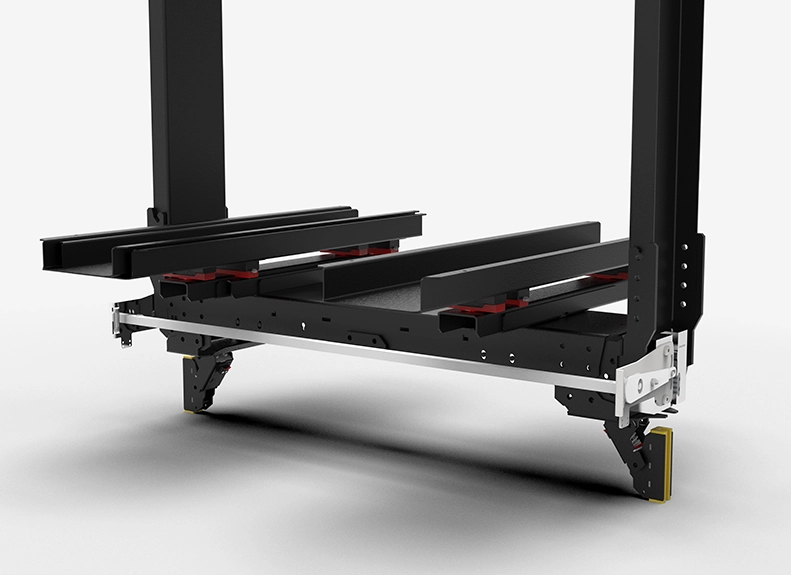
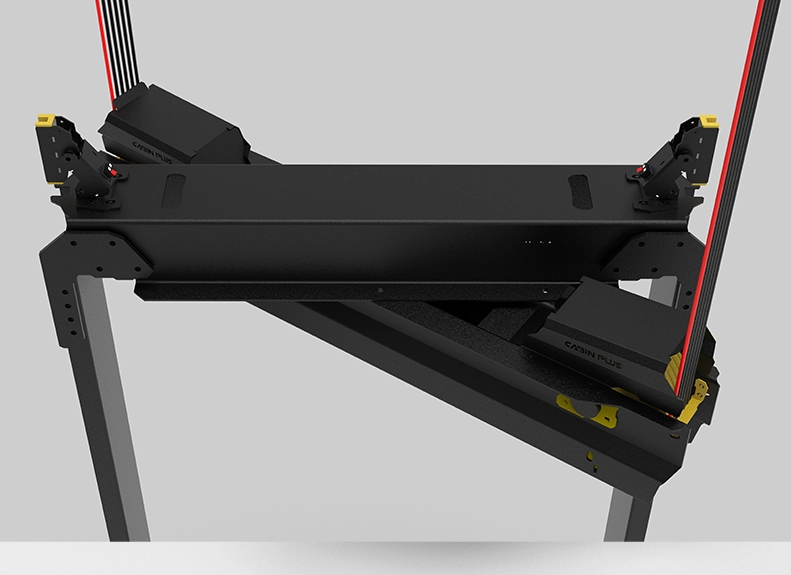
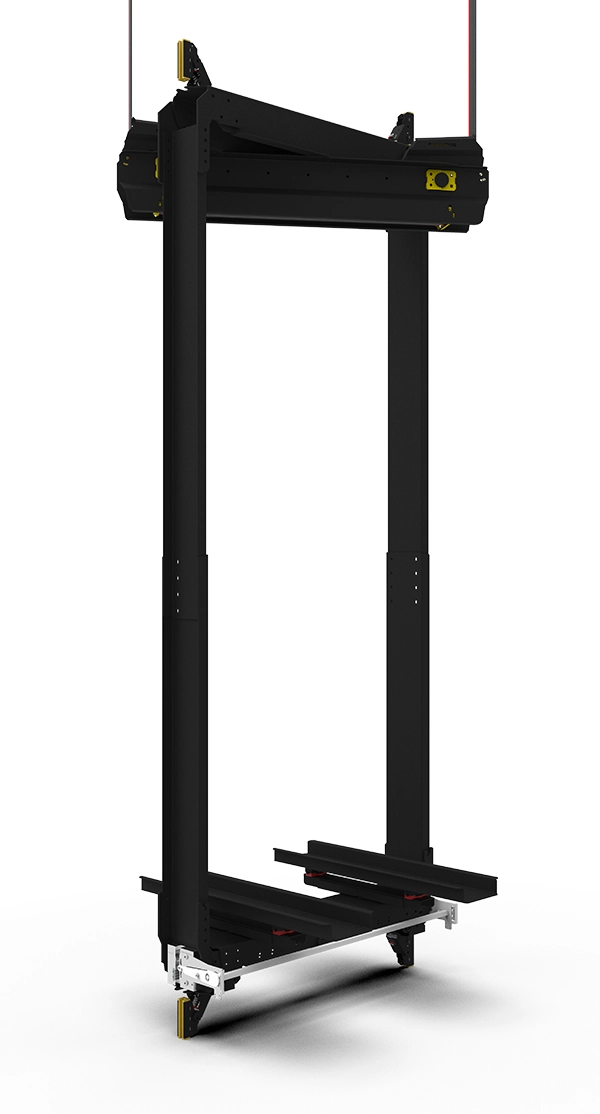
Lower Angled Double Sheave Frame
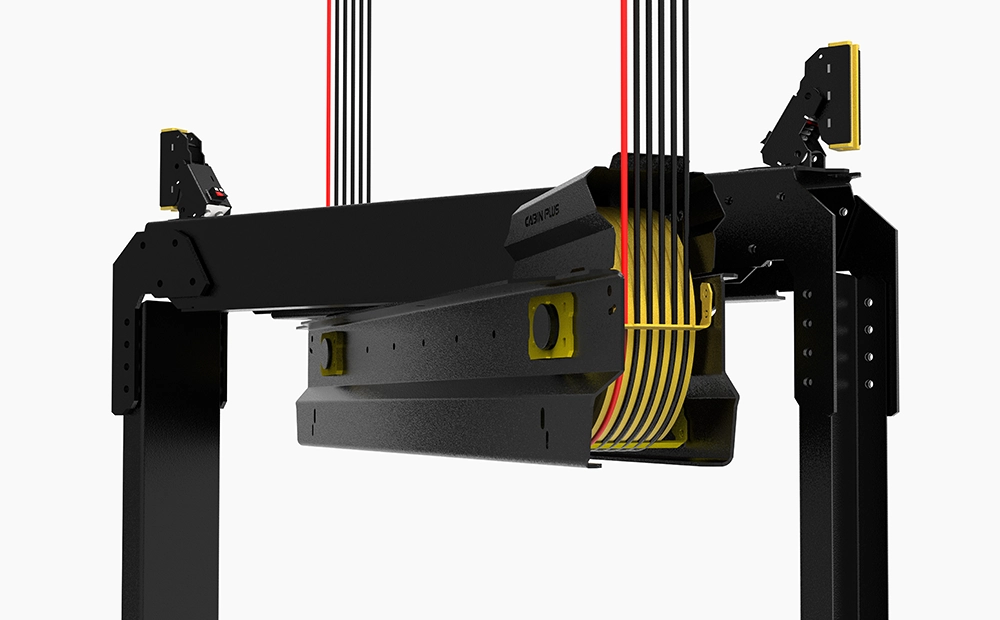
This part of the elevator mechanical system consists of a steel frame with two sheaves mounted diagonally at the bottom of the car. The yoke securely holds the suspension cables and, by being angled at a specific angle, helps to stabilize and protect the car.
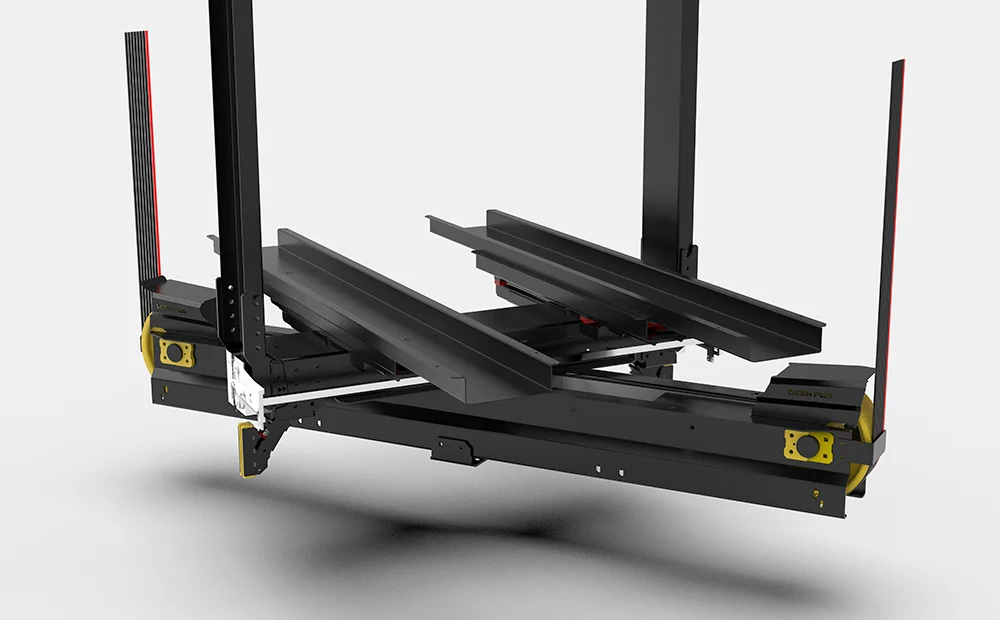
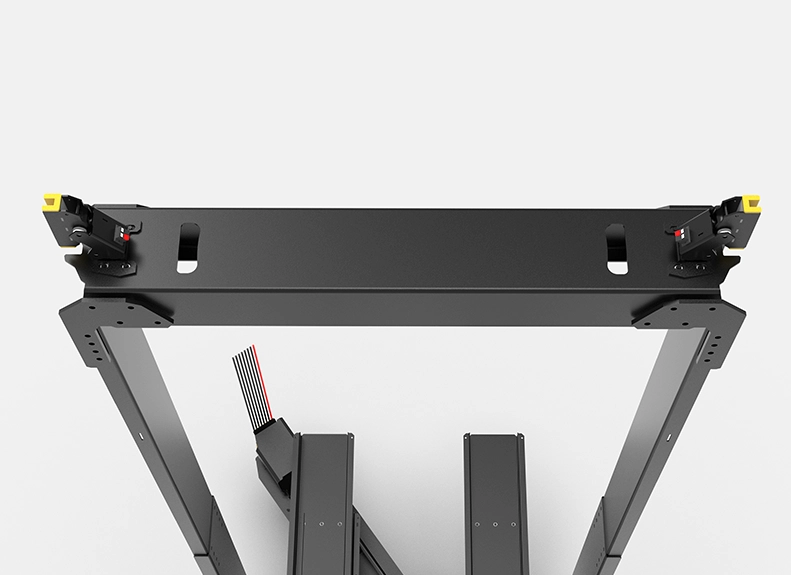
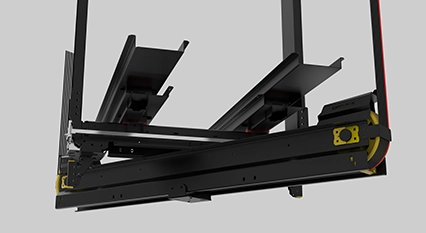
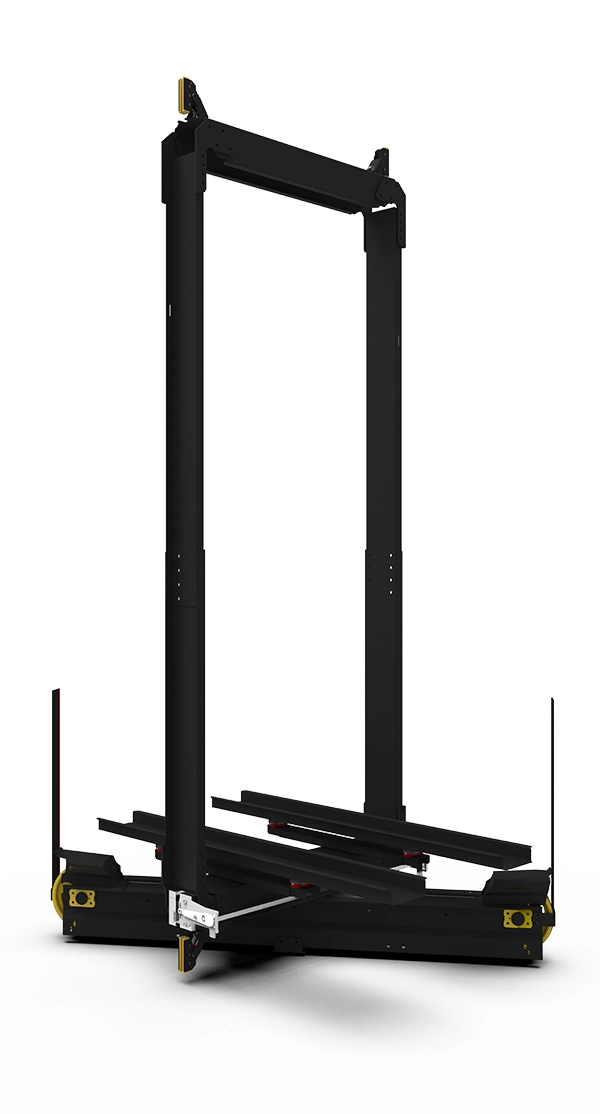
1:1 Frame
This component of the elevator mechanical system is designed to provide a 1:1 suspension ratio. This means that for every meter of travel of the suspended cable, the elevator car moves by one meter. This type of yoke is directly attached to the car and is typically used for elevators with low speeds and low heights.