


Elevator Emergency Brake: A Comprehensive Guide to 2025 Design and Standards
Introduction
The Elevator Emergency Brake is one of the most critical components in vertical transportation systems. The increase in high-rise buildings and high-speed elevators has made the importance of emergency stop system design and compliance with 2025 European and American standards more evident than ever.
The goal of this article is to provide a comprehensive guide for engineers, elevator designers, and project managers to enable them to design and install emergency brake systems in accordance with the latest standards and regulations.
The Importance of Elevator Emergency Brakes
The Elevator Emergency Brake system is responsible for the immediate stopping of the cabin in unexpected conditions. Situations requiring emergency brake operation include:
-
Main cable failure
-
Disruption in the electronic control system
-
Exceeding the rated speed (Overspeed)
Key Benefits of Elevator Emergency Brakes:
-
Protection of passenger lives
-
Prevention of equipment damage
-
Ensuring long-term elevator performance
The emergency brake system is the only way to guarantee safety in critical conditions, and neglecting it can lead to serious accidents.
Types of Elevator Emergency Brakes
Mechanical Brakes
A brake mechanical (Mechanical Brake) stops the cabin by applying mechanical pressure onto the rails or disks.
Features:
-
Simple and reliable structure
-
Requires regular maintenance
-
Low installation cost
Electromagnetic Brakes
An electromagnetic brake (Electromagnetic Brake) uses a magnetic field to stop the cabin.
Features:
-
High response speed
-
Longer lifespan compared to mechanical brakes
-
Reduced need for periodic servicing
Hybrid Brakes
Some elevators utilize hybrid mechanical and electromagnetic brakes to ensure optimum safety and performance.
2025 Standards and Regulations for Elevator Emergency Brakes
European Standards
The 2014/33/EU Directive (Lifts Directive) is the foundation for elevator design and installation, and in 2025 it included the following updates:
-
Mandatory dual brake system
-
Periodic maintenance and inspection requirements
-
Performance and fault-tolerance standards
United States Standards
ASME A17.1 2025 Edition includes:
-
Mandatory dual brake system for high-speed elevators
-
Full documentation of the maintenance process
-
Performance monitoring of smart brake systems
Compliance with these standards, in addition to guaranteeing safety, is a legal requirement for elevator operation.
Design Requirements for Elevator Emergency Brakes
Safety and Risk Assessment
-
Identification of hazard points
-
Analysis of the probability of accident occurrence
-
Determination of risk mitigation solutions
-
Validation of brake performance under emergency conditions
Dual Brake Systems
-
Increased safety factor
-
Ability to stop the cabin even if one brake fails
-
Reduced probability of injury to passengers and equipment
Maintenance and Long-term Performance
-
Easy access to brake components
-
Use of wear and heat-resistant materials
-
Monitoring brake performance with sensors and online systems
Modern Elevator Emergency Brake Technologies
-
Smart Brakes: Adjusting cabin stop with advanced algorithms
-
Novel Materials: Use of lightweight and resistant alloys
-
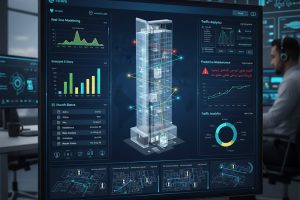
Online Monitoring Systems: 24-hour monitoring and alerts in case of disruption
Challenges and Opportunities in Elevator Emergency Brake Design
Challenges
-
Technical complexity
-
High production and maintenance costs
-
Compliance with multiple standards
Opportunities
-
Innovation in smart systems
-
Use of resistant and lightweight materials
-
Increased safety and customer trust
-
Reduction of costs resulting from failures and repairs
Practical Examples and Large Projects of Elevator Emergency Brakes
High-rise Residential Tower Elevators
-
Installation of dual mechanical and electromagnetic brake systems
-
Use of smart sensors for speed monitoring
-
Reduction of accidents caused by main cable failure
Commercial and Office Elevators
-
Use of advanced electromagnetic brakes
-
Online control of brake performance
-
Full compliance with 2025 European standards
These examples show that the combination of technology, standards, and proper maintenance maximizes elevator security.
Frequently Asked Questions (FAQ)
Question 1: Why is a dual Elevator Emergency Brake necessary?
Answer: A dual brake ensures that even if one brake fails, the cabin will stop and passenger safety is maintained.
Question 2: Does an electromagnetic brake require maintenance?
Answer: Yes, but its maintenance is less than a mechanical brake and usually includes checking sensors and electrical connections.
Question 3: What is the difference between European and American standards?
Answer: Europe relies more on the Lifts Directive, and America on ASME A17.1; both systems recommend dual braking and performance monitoring.
Question 4: Is a smart brake safer?
Answer: Yes, smart brakes guarantee safe and optimal stopping with precise control algorithms and online sensors.
Conclusion
The Elevator Emergency Brake is a vital part of every elevator’s safety system. Designing according to 2025 European and American standards leads to:
-
Increased passenger safety
-
Reduced risk of system failure
-
Optimized performance and reduced maintenance costs
The use of dual brake systems, resistant materials, and smart brakes is recommended. Strict adherence to standards and the application of modern technologies allows you to guarantee elevator safety and performance in high-rise and commercial projects.