


The design and construction of the new generation of elevators is one of the characteristics of developed countries in recent centuries. The fact that today many large buildings, towers, and skyscrapers are constructed is solely due to modern elevators, which, with their technology, have made easy vertical transportation possible for people. If elevators had not been invented, no one would go to upper floors, and those areas would remain uninhabited. Elevators have become one of the main and essential pieces of equipment in administrative, commercial, and residential buildings, and their absence significantly reduces property value. In the following, we will discuss all the advantages and features of new-generation elevators.
What types of elevators are considered new-generation elevators?
Before becoming familiar with new-generation elevators, we will first explain the term elevator. Elevator is a French word, also known as a lift, which is divided into various types and is made up of different components and parts. Its function is to transport people and heavy objects from one floor to another. The first elevators date back 236 years ago and were used to move construction materials. The architect and creator of modern elevators was a person named Atwood. Elevators are divided into old and new categories and include various types such as magnetic, smart, hydraulic, and others, which are used in different locations.
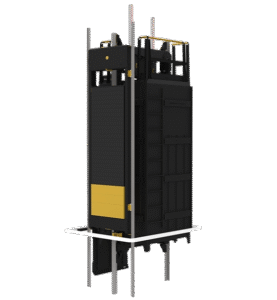
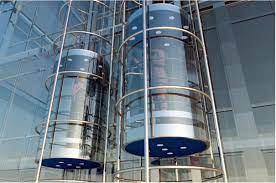
New-generation elevators, in which Germany was a pioneer in their design and production, are a type of elevator that does not require a machine room, is environmentally friendly and causes no harm to nature, is easier to repair and service, and has other features that distinguish it from older elevators. This type of elevator offers many advantages for various locations, especially administrative environments, as it transports employees at high speed, and with the intelligent management system incorporated into these elevators, employees can easily access the required documents.
Features of new-generation elevators
The most important feature of new-generation elevators is their high speed. Some of these elevators have speeds close to 3,600 feet per minute, which is one of their unique and exclusive characteristics. This high speed allows humans to tolerate maximum pressure for a short period of time. Of course, the downward speed of the elevator must be lower than its upward speed, and today this speed is close to 2,000 feet per minute. Other important features of these elevators include optimized energy consumption and minimal space occupancy, and with the help of their systems, they also generate electricity.
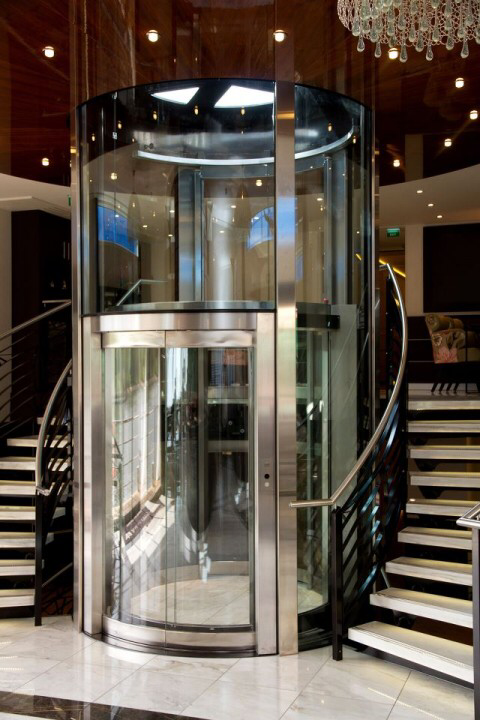
One of the important and unique features of new-generation elevators is their ability to move in different directions. In the past, all elevators moved only vertically, whereas with the help of new technologies such as magnetic systems and interconnected shafts, the cabins are now also capable of horizontal movement. In the past, if an elevator malfunctioned, repair technicians, firefighters, and other specialists had to intervene, but today, with the new magnetic system, one of the cabins moves the damaged cabin toward the nearest exit.
Types of new-generation elevators
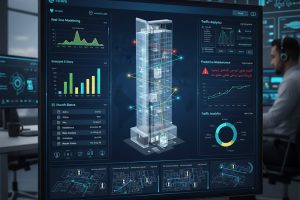
One of the elevators that falls into the category of new-generation elevators is the internet-based elevator. This type of elevator collects various data about elevator performance and component failure factors, analyzes this information, and predicts the causes and timing of future failures, thereby preventing elevator breakdowns. Of course, this is just one model of new-generation elevators, and below we will introduce several others.
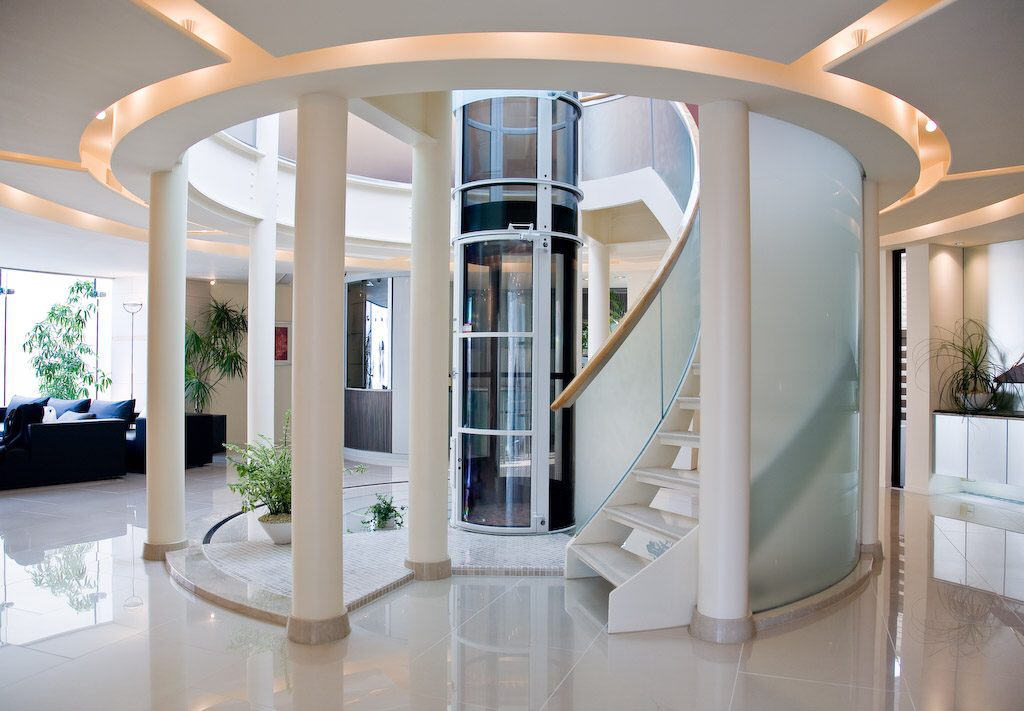
Another type of new-generation elevator is the smart elevator. In these elevators, by pressing a button, the user indicates their destination, and at that moment a display appears and tells the person which elevator to use in order to reach the desired floor more quickly. These elevators are used in high-traffic commercial and administrative locations. Green elevators are also built using new and advanced technology and, by storing energy, help protect the environment. The gears used in these elevators cause them to consume 80% less energy compared to hydraulic elevators.
Magnetic elevators
New-generation elevators include magnetic elevators, which utilize the latest technology in the elevator industry. These elevators do not require cables and move using magnetic force. This type of elevator is safe, fast, cost-effective, and has a long lifespan. Due to their high speed, they are suitable for tall buildings with many floors. The electric buffers used in these elevators increase operational safety. However, magnetic elevators, which are part of the new generation, also have disadvantages. Although signs of failure appear late and they have a long lifespan, over time they involve high costs.
Conclusion
We discussed the various types of new-generation elevators and the features that distinguish them from older elevators, and explained that today, with the features they offer, these elevators have increased transportation speed, significantly helped protect the environment, reduced energy consumption, and provided other benefits. With the help of these elevators, many of the problems that existed in older elevators have been resolved. To purchase high-quality elevators, you can visit the Cabin Plus Industrial Group.