


Smart Elevator: A Comprehensive and Specialized Guide
Chapter 1: Introduction to Smart Elevators
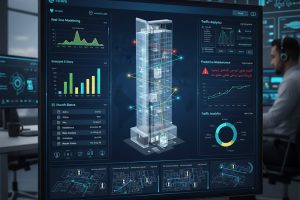
A smart elevator is the next generation of vertical transportation systems in buildings that utilizes advanced technologies to provide a safe, fast, and optimized experience for users. By using Artificial Intelligence, the Internet of Things, and central management software, these systems optimize cabin performance and reduce energy consumption.
To view domestic and international examples, you can visit the Smart Elevator section at CabinPlus and reputable global companies such as Otis and KONE.
Chapter 2: Technical and Mechanical Components of the Elevator
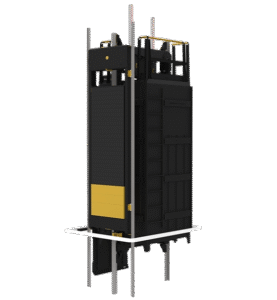
The technical components of an elevator include the motor, cabin, suspension system, control panel, doors, and numerous sensors. Each of these components plays a vital role in the smooth and safe operation of the elevator.
2-1 Motor and Drive System
Gearless motors and VVVF drive systems guarantee smooth and low-consumption movement of the elevator. By reducing noise and vibration, these motors create a better user experience.
2-2 Cabin and Doors
Modern cabins are offered with ergonomic designs, using durable glass and advanced security systems. Automatic doors with obstacle detection sensors ensure the safety of cabin movement.
Chapter 3: Software and Artificial Intelligence in Elevators
Advanced software and AI algorithms are the digital brain of the smart elevator. These systems optimize stops, passenger flow, and energy consumption.
3-1 Intelligent Management System
The intelligent management system is responsible for scheduling stops and managing passenger flow, and it is connected to the smart building network.
3-2 Mobile Software and Remote Control
Mobile applications allow users to book a cabin, view status, and interact with the system.
3-3 Artificial Intelligence and Machine Learning
AI algorithms analyze and optimize cabin performance, predict failures, and reduce downtime.
Chapter 4: Internet of Things (IoT) Integration with Smart Elevators
IoT connects sensors, controllers, and cabins to smart networks, enabling data exchange and real-time control.
4-1 IoT Sensors and Equipment
Weight sensors, obstacle sensors, vibration, and temperature sensors send real-time cabin information to the central system.
4-2 Data Analysis and Performance Prediction
Data collected by IoT helps optimize cabin movement, reduce sudden stops, and manage energy consumption.
Chapter 5: Security, Sustainability, and Energy Optimization
User safety and energy efficiency are the primary goals of smart elevators. Sensors and warning systems ensure security, while AI algorithms optimize energy usage.
5-1 Safety and Real-time Monitoring
Warning systems and online monitoring notify the maintenance team and prevent accidents.
5-2 Sustainability and Predictive Maintenance
With AI algorithms and IoT data, failures are predicted and the lifespan of components is increased.
5-3 Energy Consumption Optimization
Gearless motors, VVVF drives, and smart algorithms minimize energy management consumption.
Chapter 6: Future and Development Trends of Smart Elevators
The future of smart elevators is defined by the integration of AI and IoT, increased safety, reduced energy consumption, and a better user experience.
6-1 New Trends in Design
The use of lightweight and durable materials, customizable cabins, and smart doors are features of modern design.
6-2 Integration of AI and IoT
Analyzing passenger behavior and peak traffic hours with AI leads to optimized movement and lower energy consumption.
Chapter 1: Introduction and History of the Smart Elevator
A Smart Elevator refers to a new generation of vertical transportation systems that utilize digital technologies, Artificial Intelligence (AI), and the Internet of Things (IoT) to optimize performance, increase safety, and improve user experience. These elevators are no longer just a means of moving between floors, but are part of smart buildings and modern infrastructure.
1-1 Definition of a Smart Elevator
A smart elevator is a mechanical and digital system that, in addition to vertical movement between floors, is capable of analyzing user data, building traffic, and environmental conditions to automatically optimize the travel path and stop priorities. Its key features include energy saving, rapid error and failure detection, and interaction with building management systems.
1-2 History of Smart Elevator Development
The first examples of smart elevators were introduced in the 1980s, when microprocessor control systems entered the elevator industry. These systems allowed for stop scheduling and movement optimization. With technological advancements in the 1990s and 2000s, intelligent algorithms were developed for managing elevator traffic and reducing user wait times.
1-2-1 The Role of AI in Elevator Evolution
With the emergence of AI and machine learning, smart elevators became capable of analyzing user behavior patterns and predicting their movements. This feature led to reduced wait times and increased system efficiency. Major global companies like Otis and KONE have extensively implemented these technologies since the 2010s.
1-2-2 Smart Elevators in Iran
In Iran, the trend of smart elevator development began with a delay compared to global markets. However, companies like CabinPlus have been able to provide smart systems according to international standards that possess capabilities similar to foreign models, including energy management, error detection systems, and communication with smart building panels.
1-3 Advantages of Using a Smart Elevator
- Increased Safety: Sensors and error control systems minimize the risks caused by failures.
- Energy Consumption Optimization: Advanced movement algorithms reduce the amount of electricity used.
- Reduced Wait Time: Path prediction systems create a better user experience.
- Integration with Smart Buildings: Allows elevator control through building management apps and IoT systems.
- Predictive Maintenance and Diagnosis: The system is able to predict failures and suggest preventive repairs.
1-4 Sources and References
For more information on smart elevator technology, you can refer to the following sources:
Chapter 2: Hardware Components of the Smart Elevator
A smart elevator is equipped with a set of advanced hardware components for optimal and safe performance. These parts play a key role in smooth movement, precise control, and interaction with the building’s digital systems. In this chapter, we will examine the main components and their functions.
2-1 Elevator Cabin and Door
A smart elevator cabin features a modern and safe design, usually made with durable steel and tempered glass. Automatic doors with smart sensors provide person detection and prevent sudden closing. Advanced models also have the ability to connect to IoT systems and remote controls. To see smart cabin examples, you can visit CabinPlus products.
2-1-1 Telescopic and Mirrored Doors
Telescopic and mirrored doors with Brushless motors and sensitive sensors offer optimal opening/closing speed and high safety. In addition to a luxury appearance, these doors allow for the installation of warning and object identification systems.
2-2 Motor and Drive System
The heart of every smart elevator is its motor and drive system. Usually, AC motors with VVVF or Gearless motors are used, providing lower energy consumption and smoother movement. Gearless motors are very suitable for high-rise buildings and have the ability to connect to smart traffic management systems.
2-2-1 Smart Drive System
The smart drive is responsible for controlling the speed, acceleration, and stopping of the cabin. Using AI algorithms, this system can predict elevator behavior and reduce energy consumption. For more reading on advanced drives, you can visit the KONE website.
2-3 Cable System and Counterweight
Cables and the counterweight play a vital role in the smooth and safe movement of the cabin. Smart cabins use high-quality steel cables and vibration reduction technology to provide maximum comfort and safety for users. The counterweight, with precise and calculated weight, reduces the pressure on the motor.
2-4 Control Panel and Electronics
The smart elevator control panel is the digital brain of the system, which processes sensor data to make decisions about the cabin’s movement and stopping. These panels are often accompanied by advanced software and have the capability to connect to the smart building network and IoT systems.
2-4-1 User Panels and Displays
User panels include buttons, touch displays, and authentication systems (such as cards, fingerprints, or facial recognition). These systems allow users to select their destination quickly and safely and provide usage data to the central system for subsequent analysis. You can view advanced examples at CabinPlus.
2-5 Sensors and Security Equipment
Smart elevators are equipped with a suite of sensors including weight sensors, obstacle detection, door control, and vibration sensors. These sensors communicate with the central smart system and instantly diagnose any potential issues. Additionally, surveillance systems and cameras allow for the control of building and cabin security.
2-5-1 Predictive Maintenance and Smart Alerts
Smart sensors and panels are capable of predicting potential failures and alerting the maintenance team. This feature reduces sudden stops, increases the lifespan of components, and saves on repair costs. For example, global companies like Otis and ThyssenKrupp have implemented these systems in high-rise buildings.
2-6 Sources and References
For further reading on smart elevator hardware components, you can refer to the following sources:
Schindler Group,
KONE Elevators,
Smart Elevator section at CabinPlus website.
Chapter 3: Software and Artificial Intelligence in Elevators
In the digital age, a smart elevator is meaningless without the utilization of advanced software and Artificial Intelligence (AI) algorithms. This software optimizes system performance by processing sensor data and analyzing user behavior, taking the elevator experience to a higher level.
3-1 Intelligent Elevator Management System
The Intelligent Elevator Control System is the digital brain of the elevator, responsible for scheduling stops, managing passenger flow, and optimizing energy consumption. This system is usually accompanied by proprietary software and has the capability to connect to smart building networks. To see examples of advanced systems, you can visit CabinPlus.
3-1-1 Smart Traffic Management Algorithms
Smart algorithms are capable of predicting elevator traffic during peak hours and adjusting stop priorities based on the number of passengers, destination floor, and wait time. These algorithms include:
-
- AI-based Scheduling: Scheduling stops by learning user behavior patterns.
- Load Balancing: Distributing cabins to reduce congestion on high-traffic floors.
- Predictive Routing: Predicting the optimal travel path based on real-time data.
3-2 Mobile Software and Remote Control
Many smart elevators are equipped with mobile applications that allow users to select floors, view elevator status, and even book a cabin. Using Internet of Things (IoT) technology, these apps transfer cabin and central system information to the user in real-time. You can see top examples of these systems at Otis Elevators and KONE Elevators.
3-2-1 Connection to the Smart Building
Smart elevator software connects to the Building Management System (BMS) and sends information such as passenger count, usage patterns, and energy consumption to the central system. This connection allows for energy optimization, traffic management, and precise monitoring of elevator performance.
3-3 Artificial Intelligence and Machine Learning
AI in smart elevators optimizes cabin performance by analyzing real-time and historical data. These technologies include:
- Predictive Maintenance: Predicting failures and suggesting preventive repairs.
- Passenger Flow Analysis: Analyzing passenger flow and reducing wait times.
- Adaptive Scheduling: Adapting cabin movement schedules to user behavior and building traffic.
3-3-1 The Role of Big Data
Collecting and analyzing massive data from elevator sensors, apps, and building management systems allows for precise decision-making and performance optimization. Global leading companies like ThyssenKrupp use these technologies to reduce sudden stops and increase safety.
3-4 Sources and References
For a more detailed study in the field of software and AI in smart elevators, the following sources are useful:
Smart Elevator section at CabinPlus,
Otis Elevators,
KONE Elevators,
ThyssenKrupp Elevators.
Chapter 4: Internet of Things (IoT) Integration with Smart Elevators
The Internet of Things (IoT) refers to the concept of connecting physical devices and systems to the internet and smart networks. In smart elevators, IoT plays a vital role in data exchange, real-time control, and performance optimization. This technology allows elevators to interact in an advanced way with the building and users.
4-1 The Role of IoT in Smart Elevators
By using sensors, controllers, and smart systems connected to the internet, the elevator can:
- Collect real-time cabin traffic and passenger count data
- Communicate with Building Management Systems (BMS)
- Report errors and problems online to the maintenance team
- Optimize energy consumption through data analysis
4-2 IoT Sensors and Equipment
Smart elevators utilize a suite of IoT sensors including:
- Weight Sensor: Detecting passenger count and cabin load distribution
- Obstacle Detection Sensor: Preventing sudden door closing
- Vibration and Sound Sensor: Monitoring mechanical status and identifying early failures
- Temperature and Humidity Sensor: Controlling environmental conditions inside the cabin and engine room
4-2-1 Connecting Sensors to the Central System
All sensors send data to the central control panel and elevator management software. This data is analyzed using AI algorithms, and optimal decisions regarding cabin movement, stop times, and energy control are made. For practical examples, you can refer to CabinPlus smart products.
4-3 Data Analysis and Performance Prediction
Data collected by the IoT system enables the prediction of:
- Peak traffic hours and passenger counts
- Need for preventive maintenance
- Energy consumption and its optimization
These analyses lead to a reduction in sudden stops and an increase in component lifespan.
4-3-1 Advantages of IoT Connectivity in Elevators
The main advantages of implementing IoT in smart elevators include:
-
- Increased Safety: Detecting problems before accidents occur
- Energy Optimization: Reducing electricity consumption through smart cabin movement management
- Ease of Maintenance: Sending real-time alerts to the repair team
- Better User Experience: Reduced wait times and smooth cabin movement
4-4 Global Examples of IoT Usage in Elevators
Leading global companies use IoT technology to increase elevator efficiency and safety. Examples include:
- Otis Elevators – Smart traffic prediction systems
- KONE Elevators – Connecting cabins to the smart building
- ThyssenKrupp Elevators – Analyzing Big Data for preventive maintenance
4-5 Sources and References
To read more about IoT in smart elevators, you can refer to the following sources:
Smart Elevator section at CabinPlus,
Otis Elevators,
KONE Elevators,
ThyssenKrupp Elevators.
Chapter 5: Security, Sustainability, and Energy Optimization in Smart Elevators
One of the most important features of a smart elevator is ensuring user safety and energy efficiency. These systems combine advanced technologies, sensors, and smart algorithms to provide both full security and optimized energy consumption.
5-1 Safety and Real-time Monitoring
Smart elevator security systems include a suite of sensors, cameras, and digital control panels. These components are capable of monitoring the cabin, doors, and engine room status in real-time and instantly diagnosing any potential issues. Additionally, weight and obstacle detection sensors ensure that doors close and open safely. For practical examples, you can visit CabinPlus products.
5-1-1 Warning Systems and Remote Monitoring
Many smart elevators feature online warning and remote monitoring systems. These systems can notify the maintenance team of any failure or malfunction and even resolve some issues automatically.
5-2 Sustainability and Predictive Maintenance
By using AI algorithms and data collected from IoT sensors, the elevator can manage its performance preventively. This means reducing sudden stops, increasing component lifespan, and lowering maintenance costs. Leading companies like Otis and KONE utilize these systems in high-rise projects.
5-3 Energy Consumption Optimization
Smart elevators minimize energy consumption by using Gearless motors, VVVF drives, and traffic management algorithms. AI systems can reduce cabin speed during low-traffic hours and guarantee smooth and fast movement during peak hours. Additionally, collecting energy consumption data from each cabin allows for further analysis and optimization.
5-3-1 Regenerative Drive System
Many modern elevators use energy recovery systems that return braking and cabin movement energy to the electrical grid. This technology reduces power consumption and increases system sustainability. For more information, you can visit ThyssenKrupp Elevators.
5-4 Standards and Certifications
Smart elevators must be built according to international safety and energy efficiency standards. Standards such as EN 81, ISO 25745, and ASME A17.1 guarantee that systems are safe, reliable, and low-consumption. For more info on international standards, you can visit ASHRAE.
5-5 Sources and References
For a more precise study on security, sustainability, and energy optimization in smart elevators, the following sources are useful:
Smart Elevator section at CabinPlus,
Otis Elevators,
KONE Elevators,
ThyssenKrupp Elevators.
Chapter 6: Future and Development Trends of Smart Elevators
Smart elevators are transitioning from a luxury technology to an essential standard in modern buildings. With advancements in IoT technologies, AI, and Big Data analysis, the future of these systems will include increased safety, reduced energy consumption, and an optimized user experience.
6-1 New Trends in Design and Engineering
New trends include the use of lightweight and resistant materials, customizable cabin designs, and smart doors with fast and safe operation. Environmentally friendly design and reduced energy consumption are also prioritized in modern elevator development. To see advanced examples, you can visit CabinPlus products.
6-2 Integration of AI and Internet of Things
The future of the smart elevator is defined by the full integration of AI and IoT. Systems will be able to analyze passenger behavior, cabin density, and peak traffic hours in real-time and make optimal decisions for movement, stopping, and energy consumption. Companies like KONE and Otis have presented successful examples of this integration.
6-2-1 Machine Learning for Predictive Maintenance
Machine learning algorithms are capable of predicting potential failures and optimizing repair times. This method leads to reduced sudden stops, increased component lifespan, and lower maintenance costs. For practical examples, you can visit ThyssenKrupp Elevators.
6-3 User Experience and Advanced Security
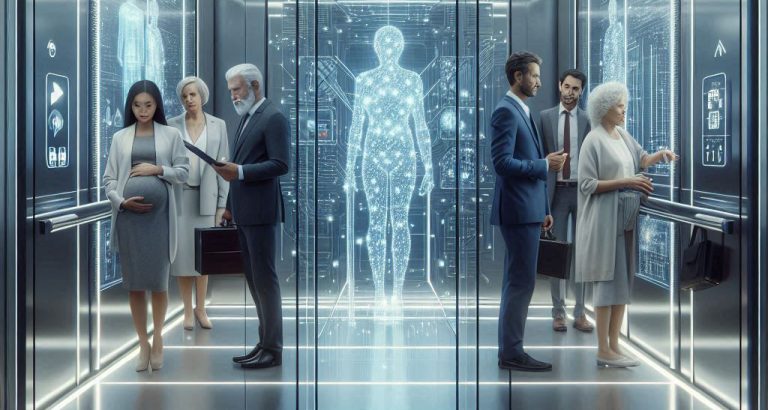
Future elevators will provide a much better user experience by using advanced authentication systems (fingerprint, facial recognition, smart cards) and smart displays. User safety is guaranteed at every stage of cabin movement, and data will be stored for subsequent analysis.
6-3-1 Personalization and Smart Control
Future smart cabins will allow for the adjustment of temperature, lighting, music, and even personal notifications for each user. These features turn the elevator usage into a luxury and customized experience.
6-4 Sustainability and Energy Consumption
Using energy recovery systems and smart consumption management algorithms, future elevators will have the most optimized energy usage. Reducing CO2 emissions and increasing energy efficiency are among the most important goals for the development of these systems.
6-4-1 New Technologies for Green Energy
Technologies such as Gearless motors, VVVF drives, and Regenerative Drive systems, combined with smart algorithms, provide an elevator travel path with minimum energy consumption and maximum efficiency.
6-5 Sources and References
To read more about the development trends of smart elevators and the future of technology, the following sources are useful:
Smart Elevator section at CabinPlus,
Otis Elevators,
KONE Elevators,
ThyssenKrupp Elevators.