



Introduction to Different Types of Elevator Doors
One of the most important components in any elevator is its door. The elevator door is responsible for facilitating the entry and exit of passengers to and from the elevator cabin. Elevator doors must be safe, stable, and visually appealing at the same time. Depending on the needs of each elevator, doors are designed and manufactured in various types and sizes. Given the crucial role of the door, choosing the right one for an elevator can be a complex issue. Installing an unsuitable door can disrupt the elevator’s operation and even decrease passengers’ interest in using it. When choosing a door, you should become familiar with different models of this product so that you can select the best door suited to your elevator’s specific needs. We are here to help you and provide all the necessary information in this field. So stay with us and follow this article to the end.
Classification of Elevator Door Types
Elevator doors are classified based on various factors. In this section, we introduce all the classifications of elevator doors and present each type by group. If you intend to learn about different types of doors and purchase them, we highly recommend following this section.
Based on Installation Location
Elevator Cabin Door The cabin door is located inside the elevator cabin and is responsible for allowing passengers to enter and exit. These doors are usually installed in pairs on the sides of the cabin. They open and close simultaneously; one door opens for passengers to enter or exit, and then it closes. In most cases, these doors are made of metal or glass and usually have glass windows to allow passengers to see inside and outside the elevator. Elevator Landing Door The landing door is installed on every floor of the building and is responsible for allowing passengers to enter and exit the elevator at different levels. These doors are usually built larger than cabin doors and are installed individually rather than in pairs. Their design and structure are intended to withstand frequent and high-traffic use, ensuring long-term compatibility. These doors are typically made of metal and can feature glass windows or panels that allow passengers to see the status of the elevator on that specific floor.
Based on Operation Method
Automatic Elevator Door An automatic elevator door is fully automated and operates using electromechanical and electronic systems. These doors open and close automatically without the need for manual intervention. The opening and closing timing is controlled by the elevator control system, usually utilizing sensors, controllers, and a motor system. Automatic doors are mostly used in large buildings, hotels, commercial complexes, and high-traffic areas. Semi-Automatic Door Semi-automatic elevator doors are typically made of metal and feature a system that can be opened and closed with the help of a lock and a mechanical arm. These doors are opened manually by the user/operator. In other words, while the door requires manual opening, the operation is enhanced by the lock and mechanical arm system. Semi-automatic doors are usually used in smaller buildings with lower traffic. Manual Door A manual elevator door is opened and closed only by hand, and there is no automatic system to control it. These types of doors are often used in older elevators and small buildings and have limited applications. Manual doors may be used less frequently today due to their traditional structure and lack of automated systems.
Based on Opening Mechanism
Central Opening A central opening elevator door is a type of automatic door used in elevators with many floors and large cabins. This type consists of two horizontal parts that open simultaneously to the left and right, similar to the mechanism of automatic car doors. Due to its structure and more complex mechanical systems, it is capable of handling heavier loads than other doors. Telescopic A telescopic elevator door is also a type of automatic door that opens from one side. During the opening process, the door sections slide over each other telescopically, and when closing, they align consecutively. This design provides more space for users to enter and exit, making it suitable for large cabins. Choosing the number of panels is crucial in this type. Bus-style (Folding) Door A bus-style elevator door opens and closes horizontally and in a folding manner, similar to a bus door, and is mounted on a rail. This type is used for elevators with large cabins and many users. Upon opening, the door moves to the sides, allowing users to enter and exit simultaneously. It is suitable for high-traffic buildings. Guillotine Door A guillotine door is a manual type used in small and private elevators. It has a simple structure and opens and closes vertically. When opening, the upper part moves vertically upward to allow access. When closing, the top section moves down to protect the cabin. Due to its simple design, it costs less than automatic doors and is usually used in low-traffic elevators. Swing (Hinged) Door Hinged elevator doors are for small elevators with limited space and are considered an older type. These doors are produced with a narrower width and offer the advantage of not requiring much space for proper operation. Typical dimensions are around 70, 80, and 90 cm. However, disadvantages include blocking the hallway when open, difficulty in opening due to required physical force, being time-consuming, and being less suitable for disabled individuals, children, and the elderly.
Based on Material
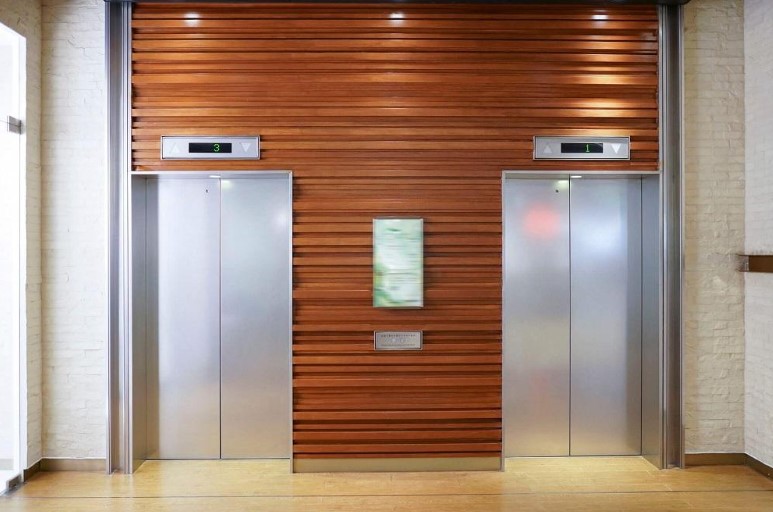
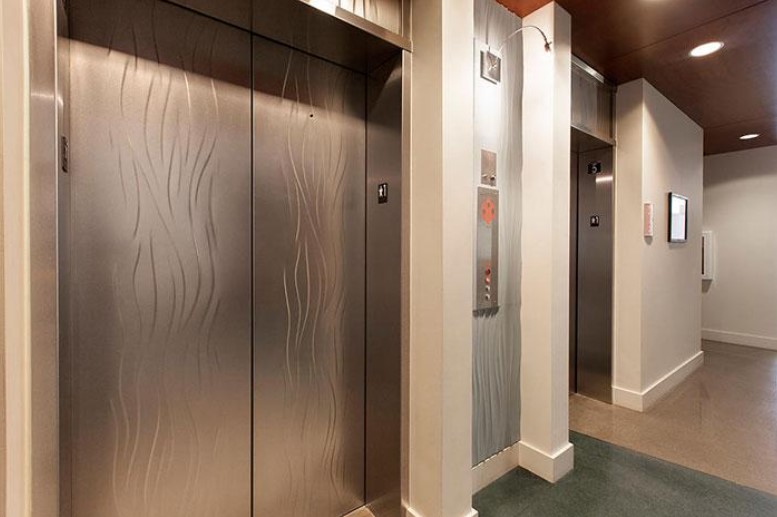
Glass Doors These doors are primarily made of glass. Tempered and resistant safety glass with appropriate thickness is used to ensure user safety. Glass doors add a special beauty to spaces that require natural light. Stainless Steel Doors These doors are manufactured from stainless steel. Steel is a resistant and durable material that is highly resistant to impact, scratches, and moisture. Due to their sleek and beautiful design, steel doors easily adapt to a building’s interior decoration. They can also be coated in various colors and textures for customization. Steel Doors with Stainless Steel Cladding The core material of these doors is steel, protected by a stainless steel coating. Steel is used as the primary material for its strength and resistance to impact and scratches. The stainless steel cladding makes the doors beautiful and stylish while preventing vulnerabilities such as rust and corrosion. These doors offer high strength and stability.
Which is the Best Elevator Door?
Currently, elevator doors include various types, but it can be said that the best type is the automatic door, which is produced in telescopic and central models. These doors allow for the automatic opening and closing of both cabin and landing doors. Automatic doors are often designed as telescopic or central. In telescopic doors, the opening and closing happen from only one side. In central doors, the door opens from the middle and closes from the sides. Automatic doors are made of components like contacts, shoes, door sills, panels, and frames. They are vital for the safety of the elevator system and are recognized as the best elevator doors. Proper installation and design require great precision and should be handled by experienced professionals. Every component must be installed correctly without error; otherwise, the lifespan of the doors decreases, leading to frequent problems and damages that can be dangerous and costly. Materials and parts used in automatic doors must be of very high quality. Using inappropriate parts can lead to a reduced lifespan for the doors and cause failure in other components. Therefore, it is best to visit reputable agencies and companies to purchase high-quality parts, especially elevator doors.
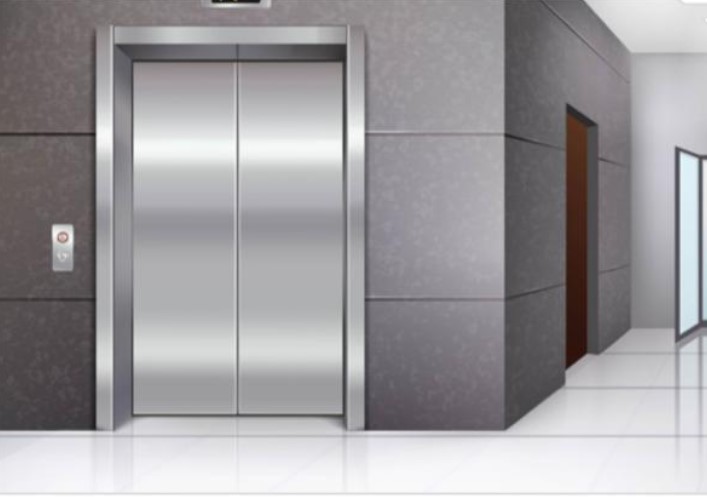
Learn About the Most Important Causes of Elevator Door Failure
The most important factors that can lead to elevator door failure include: Wear and Tear: Frequent and long-term use of elevator doors can lead to the wear and tear of their components. Inappropriate Parts: Using low-quality or unsuitable parts in the door’s construction can lead to failure and improper operation. Selecting high-quality and standard parts is extremely important. Lack of Regular Maintenance: Neglecting periodic maintenance of elevator doors can lead to the accumulation of dust, improper performance of mechanical parts, and technical issues. Mechanical Damage: Impacts, scratches, accidents, and other mechanical damages can damage the door and affect its performance. Improper Installation: Inappropriate installation, including imbalance, poor fitting of components and mechanisms, and failure to follow installation standards, can result in subsequent problems and failures. To prevent elevator door failure, regular care and maintenance, the use of high-quality standard parts, timely repairs, and correct installation are of high importance. Additionally, following instructions and correct usage of elevator doors are also vital. Considerations include: Avoid Overloading: Do not impose excessive weight on the elevator door, as this can lead to damage and failure of mechanical components. Do Not Use While Malfunctioning: If any failure or sign of malfunction occurs in the door, avoid using it and contact a technician or specialist immediately. Cleanliness: Keep the elevator door free of daily trash and dust. Using appropriate cleaning solutions and regular cleaning prevents failures caused by dirt buildup. Periodic Inspection: Perform periodic inspections and regular maintenance to prevent sudden failures. This includes inspecting parts, lubricating mechanisms, replacing worn parts, and fixing existing defects. By observing these points and paying attention to the important factors of elevator door failure, you can ensure a longer lifespan and better performance for your elevator.