


In this article, we want to understand what an elevator rail is, what functions it has, what its advantages and disadvantages are, and examine all the characteristics and features related to it. The function of an elevator rail is to reduce lateral movements, guide the cabin and counterweight along their path, and prevent cabin vibrations. As mentioned, the rail is an important component in an elevator and performs multiple tasks. If it develops a problem, it will disrupt the performance of the entire system.
What Is an Elevator Rail?

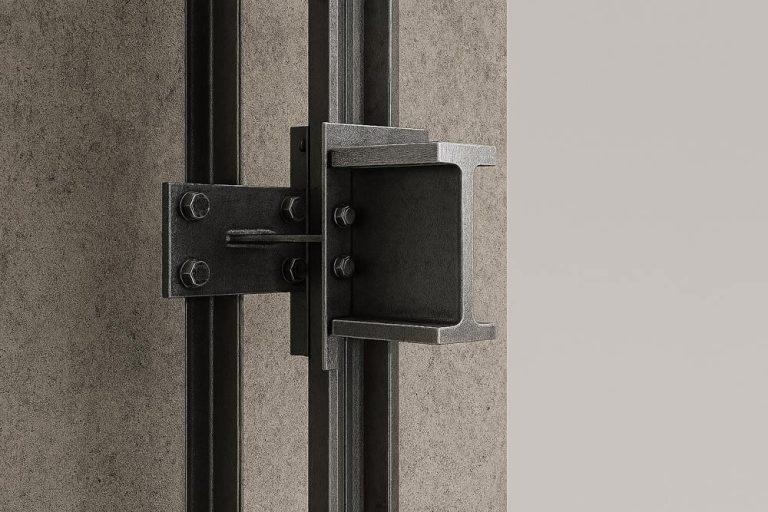
To understand what an elevator rail is and what responsibilities it has in an elevator, you should know that the rail is a T-shaped component and is considered one of the main and important parts of any elevator. Elevator rails perform various functions, including reducing lateral movements of the elevator, properly guiding the elevator cabin, and other related tasks. Since the rail is an essential part of the elevator, it is manufactured using high‑strength steel.
Buying a High‑Quality Elevator Rail
Now that you know what an elevator rail is and how important its functions are, you should also understand that purchasing a high‑quality elevator rail ensures that the elevator cabin is guided according to standard principles and that the elevator’s safety is properly maintained. This allows passengers to use the elevator with confidence. If you are careless when purchasing rails and choose low‑quality ones, the movement of the elevator may be disrupted.
Since cabin rails perform multiple responsibilities, their quality must be higher than the guide rails used for the counterweight. If you choose a low‑quality rail during purchase and it cannot properly perform its tasks—such as preventing vibrations and lateral movements—the smooth operation of the elevator will also be affected. To gain a better understanding of what an elevator rail is and what responsibilities it has, it is advisable to consult a professional expert in this field.
Factors Affecting the Price of Elevator Rails
Now that you know what an elevator rail is, you should also know that elevator rails are produced in different types and models. Various factors influence the price of rails, which is why the cost of different elevator rail models varies. Generally, higher‑quality rails produced by reputable companies are more expensive than other types.

If you want to purchase an elevator rail, after learning what an elevator rail is, you should also be aware of the factors affecting its price so that you can buy a product that matches the price you pay. The factors affecting elevator rail prices include the following:
- Rail brand
- Country of manufacture
- Rail length, size, and dimensions
- Weight
- After‑sales service
- Speed
- Load‑bearing capacity
- Cold‑drawn or hot‑rolled production
- Number of stops
The Difference Between Cold and Hot Elevator Rails
Elevator rails are produced in two types: cold and hot. The difference between them lies in the production temperature of the materials, thickness, and mechanical strength. Cold and hot rails are somewhat similar in their manufacturing process, but the difference is that cold rails undergo more metal processing and are cooled at lower temperatures and then at room temperature. To better understand what an elevator rail is, you should study various aspects of elevator rails, including the comparison between cold and hot rails.
What Are the Risks of Incorrect Elevator Rail Installation?
Incorrect installation of elevator rails is one of those issues that may occur for any contractor, whether experienced or new, and can cause problems for users when operating the elevator. If you want to understand what an elevator rail is and the consequences of incorrect installation, you should know that improper installation is dangerous and can disrupt the elevator’s movement system. If elevator rails are not installed properly, friction may occur and the rails may lose their structural strength, leading to serious and sometimes irreparable damage.

Regarding understanding what an elevator rail is and what considerations should be followed during installation, it should be noted that if the elevator rail is installed properly and according to existing standards, it prevents unnecessary movements. However, if it is not installed correctly, the lifespan of the cabin will decrease, the upward and downward movement of the elevator will be disrupted, and the safety of the passengers will also be at risk.
Main Function of Elevator Rails
To understand what an elevator rail is and its primary function, you should know that the main role of elevator rails in the configuration of this system is to control and guide movement, especially when the cabin brake is engaged. In such situations, the system remains under control, preventing unnecessary oscillations and slipping of the elevator. This ensures that the elevator operates safely and that passengers and loads inside the elevator remain stable.
Conclusion
In this article, we tried to familiarize you with the functions and performance of elevator rails. These rails have multiple responsibilities, such as preventing excessive sliding and guiding the elevator cabin properly. These functions make elevator rails one of the most essential components of an elevator system, requiring careful attention during purchase and installation. To ensure that your elevator rail installation and maintenance are carried out according to standards and with high quality, you can consult the Cabin Plus Industrial Group.