



What You Should Know About Elevator Cabins
Elevator cabin is considered the main and most visible part of an elevator and holds great importance. The cabin includes decorative walls, automatic doors, ceiling, floor, and glass panels. Today, elevator cabins are used with modern and stylish designs and are equipped with features such as lighting, ventilation, sound systems, and other capabilities to ensure passenger comfort and convenience. Additionally, elevator cabin designs are created in a way that allows easier access for people with special needs such as individuals with disabilities, children, and the elderly. Nowadays, you can purchase elevator cabins in unique sizes and designs. These types of cabins not only help improve interior space but also increase elevator efficiency. Various components such as doors, floor indicators, ceilings, and more exist in the overall structure of elevator cabins. If the different components of a cabin are not compatible with its overall structure, many problems may arise. Choosing the type of elevator cabin is extremely important and vital for builders. Elevator dimensions must be adjustable according to the shaft space. The interior design is generally based on taste and the builder’s preference. Moreover, for cabin construction, factors such as material type and interior decoration require great sensitivity and precision, as the cabin is in direct view of people. In this article, we intend to introduce you to unique elevator cabins and all their attractive features. If you plan to purchase this product, be sure to stay with us until the end.
What Components Does an Elevator Cabin Consist Of?
Understanding the different parts of a cabin is very important when purchasing a suitable elevator cabin. Each of these parts plays a key role in ensuring user comfort and safety.
Three Sturdy Walls
These three walls completely separate the cabin from the elevator shaft, and the elevator door is located at the front. Steel is considered the main material for constructing these three walls because it has excellent resistance and can prevent excessive vibration of the elevator cabin. Additionally, by using various coverings on steel, the interior space of the cabin can be made more attractive. In some residential elevators, the exterior of the cabin walls is made of wood to enhance the cabin’s interior appeal.
Ceiling
One of the essential parts of an elevator is the cabin ceiling. Currently, it is common for lighting equipment to be installed in the cabin ceiling, helping users have sufficient lighting during the elevator ride. The cabin ceiling must be made of steel so that in case of falling shaft components, the cabin remains protected and poses no danger to users. Nowadays, modular cabin ceilings are also available, making installation easier. Among popular cabin ceiling models are illuminated glass ceilings, covered ceilings, and false ceilings. Installing LED lights for cabin lighting is common, which not only increases brightness but also minimizes energy consumption.
Door
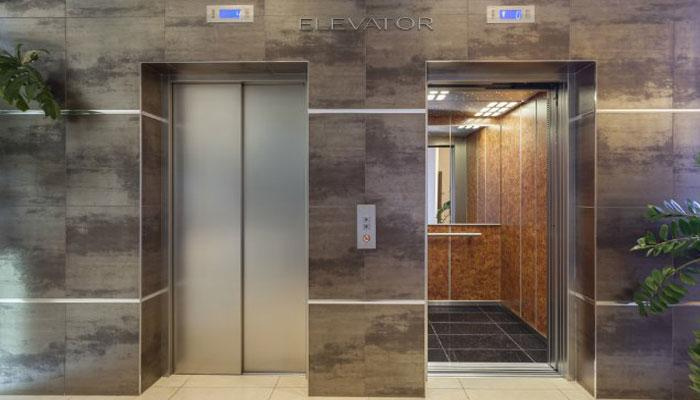
Inside the elevator, the cabin door is the first and most important element visible to users; therefore, it must have an attractive design to encourage elevator use. Special attention should also be paid to compatibility between the cabin door and the floor door. If they are not compatible, the cabin door may open incorrectly, causing potential safety hazards.
Floor Indicator
Cabin indicators are part of the elevator structure that inform passengers of their current floor. In the past, these indicators were designed with a mechanical semicircular appearance, but today they consist of a digital display and several electronic components. These electronic indicators make it much easier for passengers to accurately observe the cabin’s movement. In addition, these indicators are programmable and can emit a beep or specific alert sound upon reaching the desired floor.
Introduction to Types of Elevator Cabins
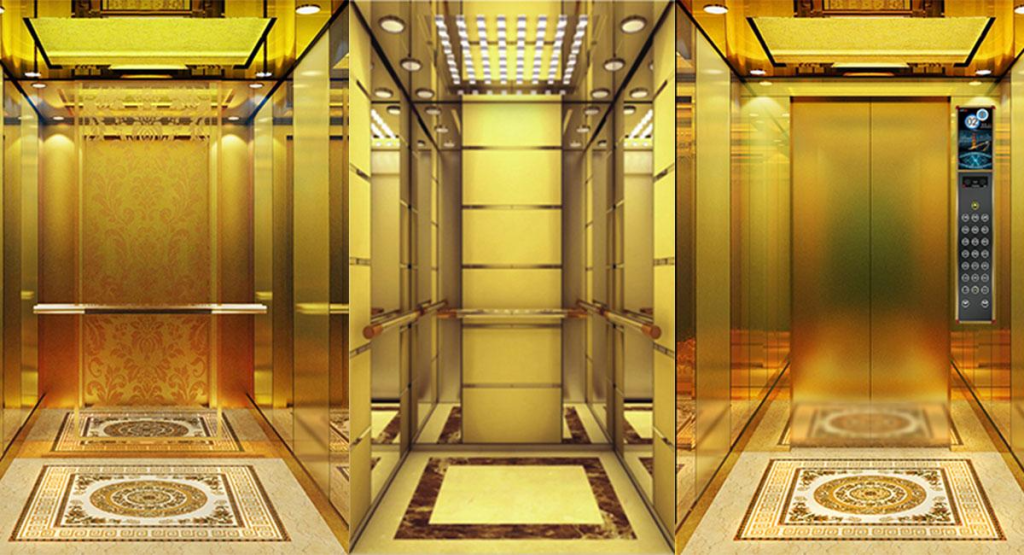
In this section, we aim to introduce you to various types of elevator cabins and the features of each. When choosing any of these cabins, decisions should be made based on the space and environment in which they will be used. Types of cabins include the following: Glass cabin: As the name suggests, a glass cabin is a type of cabin whose walls are made of glass. Typically, shatterproof glass is used in constructing these cabins. This type of cabin is mostly used in modern buildings designed with inspiration from industrial and minimalist architecture. Glass elevator cabins increase natural light and transform the building into a luxurious environment. Due to their attractive appearance, these cabins are very popular and among the best-selling types. However, they require more maintenance, and due to their glass material, they must be cleaned regularly to maintain a good appearance. Panorama cabin: A panoramic elevator cabin is a type of cabin in which the walls and ceiling are made of glass, allowing passengers to have a 360-degree view of their surroundings. These cabins are used in tall buildings and towers and attract a lot of attention due to their beautiful and appealing design. All-steel cabin: The use of steel in elevator cabin construction enhances beauty, strength, durability, and safety. An all-steel cabin is designed in a simple and elegant way that matches any type of interior building decoration. Additionally, the use of steel in elevator cabins is highly favored due to ease of cleaning and maintenance. Overall, an all-steel elevator cabin is an excellent and suitable option for modern buildings. MDF-steel cabin: An MDF-steel elevator cabin is actually made from a combination of these two materials, resulting in a high-quality and durable cabin. The use of steel provides high resistance against scratches, corrosion, and wear. Therefore, MDF-steel cabins can withstand harsh conditions and high pressure, making them suitable for environments that require long-lasting cabins.
Important Safety Tips for Elevator Cabins
Paying attention to the following points regarding elevator cabin safety is essential: Regular maintenance is very important and must be carried out consistently. Ensure that CCTV cameras are installed inside the cabin to prevent theft or violence. Instructions for opening and closing the cabin entrance door should be officially provided and placed in a visible location. The elevator must be equipped with proper fire suppression, cooling systems, lighting, ventilation, and emergency windows. Repairs and replacement of worn parts should be carried out in a way that enhances cabin safety. Experienced technicians and specialists should be used for cabin maintenance and repairs. To prevent accidents, passengers should not open cabin handles while the elevator is moving. Safety systems equipped with motion sensors, proximity sensors, and braking systems must be used. Any repairs or modifications to the cabin must be carried out by an installer.
Different Models of Elevator Cabins
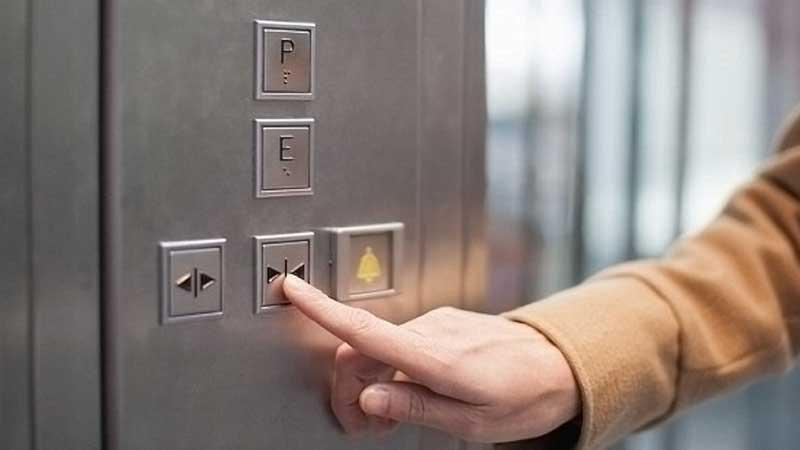
There is a wide variety of elevator cabin models, which depend on the type of cabin door. Different models include cabins with automatic, semi-automatic, hinged, and rolling shutter doors. Among these, cabins with automatic doors make boarding and exiting easier due to automatic coverage. However, these models are generally sold at higher prices compared to other models. Elevator cabins with semi-automatic doors usually include a door that is manually opened and closed. The main door opens and closes automatically, while the other door is manual. These types of cabins are mostly used in small buildings and low-traffic areas where a fully automatic door is not required and cost-effective semi-automatic doors are sufficient. Therefore, before choosing any model, it is necessary to evaluate which option is best for you. For example, in industrial environments, rolling shutter door cabins are the best option due to their high resistance. In contrast, automatic door cabins are considered the best option for residential buildings. In hinged door cabins, the cabin doors open and close using a hinge system. In this type of elevator, the doors are installed at the top of the cabin, and when the cabin reaches the stopping point, the doors open vertically. Then, after passengers enter and exit, the doors close horizontally. The purpose of this type of elevator is to improve safety and performance, and it is also very suitable for small and limited spaces.
Elevator Cabin Decorations
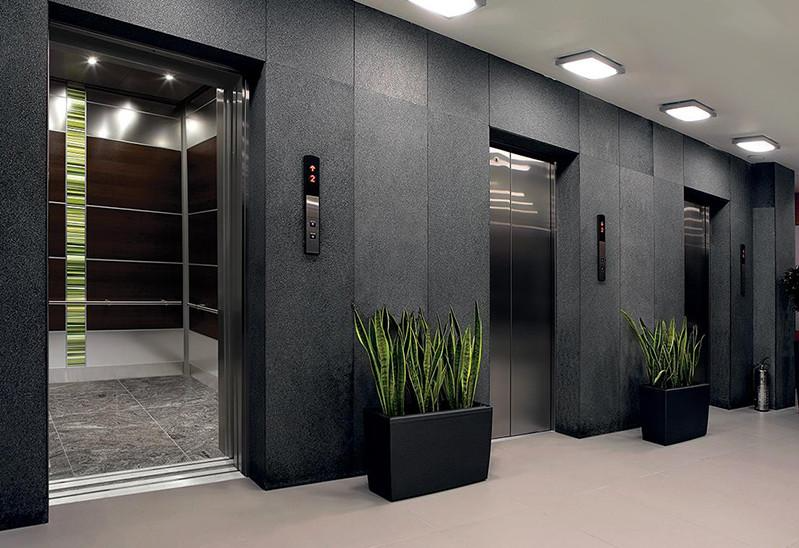
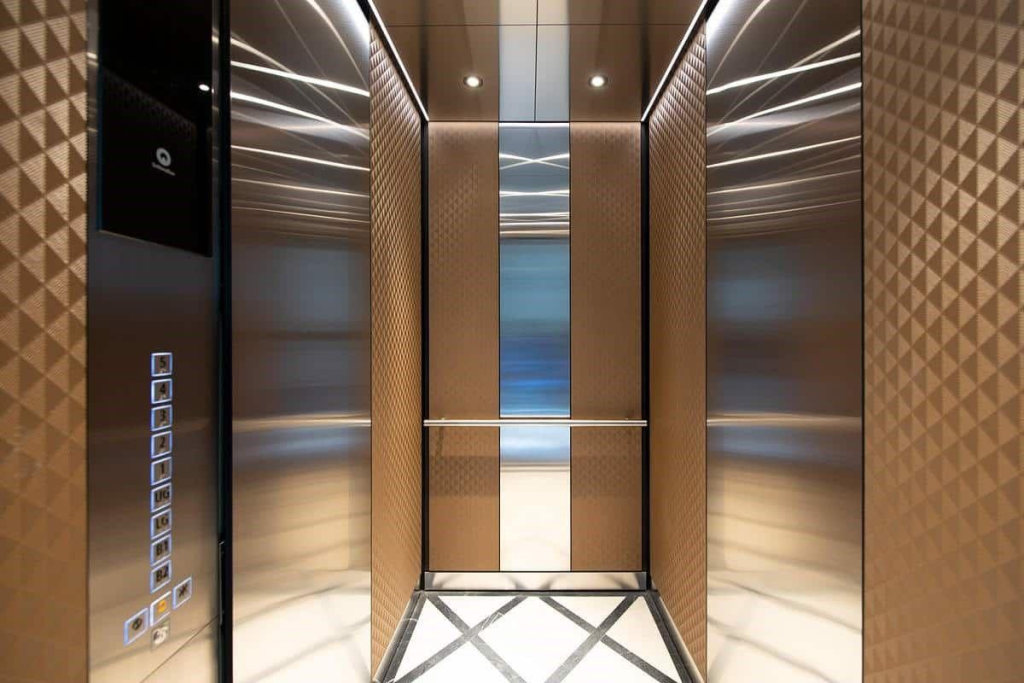
For constructing different parts of an elevator cabin, materials with high resistance against various pressures and forces such as movement force, braking, and impact with buffers must be used. The elevator cabin walls are usually made of galvanized sheets with a minimum thickness of 1.5 mm. Interior decorations of elevator cabins vary depending on usage type and customer preference and are considered a key factor in determining the price of the elevator cabin. Cabins are categorized into different types and groups based on interior decorations and are offered under titles such as stainless steel elevator cabins, Formica elevator cabins, Formica MDF cabins, and more, some of which were mentioned earlier. The walls, floor, and ceiling of each type of elevator cabin are made using different decorative materials. For example, materials such as wood, scratch-resistant Formica, oven-painted sheets, mirrors, and more may be used for wall decoration. For elevator cabin ceilings, Formica and laser-cut stainless steel with various designs are used, while flooring materials include parquet, laminate, or stone.
Why Is Periodic Maintenance of Elevator Cabins So Important?
Periodic maintenance of elevator cabins is very important because it affects the following: Increasing elevator lifespan: Regular maintenance can extend the elevator’s lifespan and reduce sudden repair costs. Maintaining safety: Regular elevator servicing increases safety levels and reduces risks that may threaten passengers or personnel. Improving performance: Periodic maintenance improves elevator performance and ensures passengers reach their destination quickly and comfortably. Reducing energy consumption: When an elevator is properly adjusted and regularly serviced, its energy consumption is minimized, resulting in cost savings. Compliance with regulations: Periodic maintenance ensures compliance with elevator laws and regulations and prevents violations. If you plan to service or renovate your elevator cabin due to aging or dissatisfaction, keep in mind that new decorations should not be installed over old ones. This will reduce cabin dimensions and increase its weight. After installing new decorations, the elevator balance must be checked. Additionally, if it is necessary to move the cabin frame during decoration installation, it is better to seek help from expert professionals. You can benefit from professional consultations and expert services provided by the Cabin Plus industrial group.
The location of the building also affects the estimated cost of elevator cabin renovation. The cost of renovating an elevator cabin in a luxury high-rise building in an upscale area is higher than that of a standard building with a maximum of five floors.