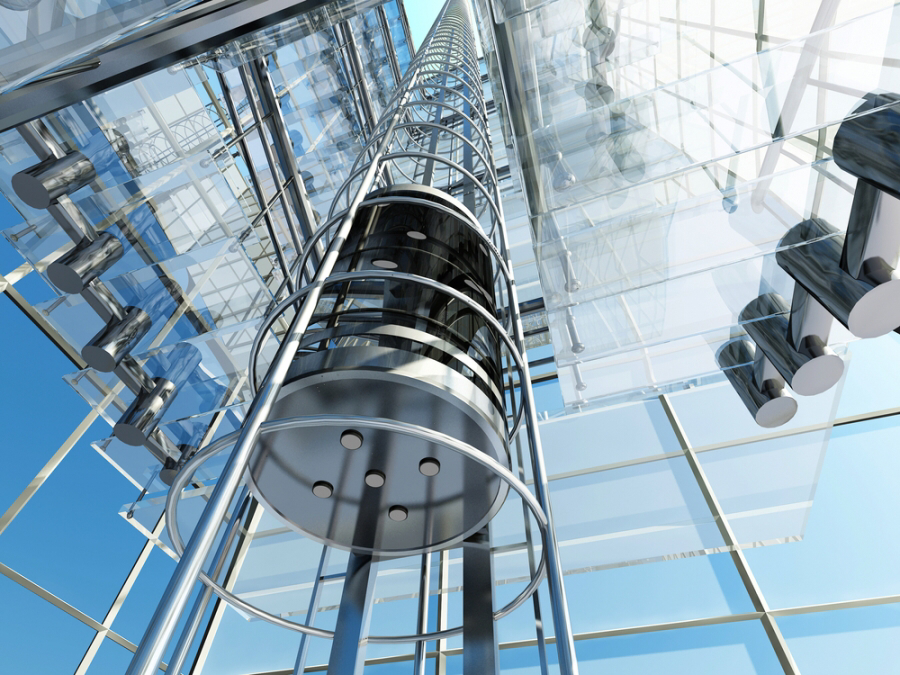
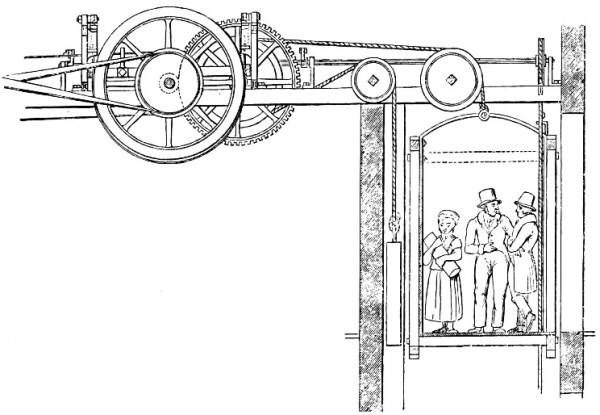
Since today elevators are among the most widely used mechanical components in people’s lives, individuals should be familiar with the history and the process of evolution of the elevator. This familiarity with the history of this component greatly helps people in using it properly and choosing the right option for different locations. The elevator is a type of machine made by humans and, like other human inventions, it has gone through a diverse and gradual evolutionary process to become what it is today—used in various administrative, residential, recreational, and other places—and has made the transportation of people and objects easier.
What Is an Elevator?
Before becoming familiar with the evolutionary process of the elevator, you should first understand this device well and know that the word “elevator” is of French origin and is also called a lift. It is a movable cabin that transports people and objects from one floor to another and is one of the main means of vertical transportation of loads and people in various commercial, administrative, residential, and other locations. This type of machine is considered one of the simple machines that has provided many services to human societies.
The evolution of the elevator
As you know, in the process of the evolution of the elevator, over time and with the economic and civilizational growth and development of different countries and their cooperation with one another, vertical transportation systems for moving people and objects gradually expanded and advanced. The founder of modern elevators that can be seen and used in various places today is considered to be the great mathematician Atwood, and essentially elevators were designed to enable easier and faster movement in places with great height and many stairs.
History of the Elevator
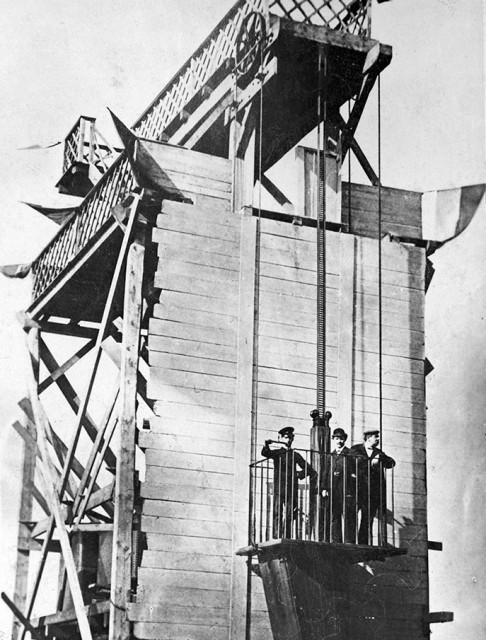
What played an important role in shaping the history and evolutionary process of the elevator and encouraged people to build such a device was the human need to move themselves and their loads using a powerful and safe tool. In the past, humans used wheels and pulleys to move various items, which was among the reasons for the later formation of elevators. Some of the oldest images related to elevators are attributed to the works of Vitruvius, the Roman architect, indicating that the construction of this device dates back to 200 BC. These early elevators had a cabin-like compartment that was moved by ropes using animal power.
In the evolutionary process of the elevator, the first type of elevator that transported people was built and used by order of Louis XVI. This elevator was called the flying chair. Gradually, elevators were not used solely for transporting people and were later also used to carry wood, coal, and other materials, eventually becoming today’s cable elevators. These elevators were designed and introduced to the market inspired by the Atwood machine. In addition to all these points, elevators gradually gained greater importance and influenced various aspects of human life.
Widespread Use of Elevators
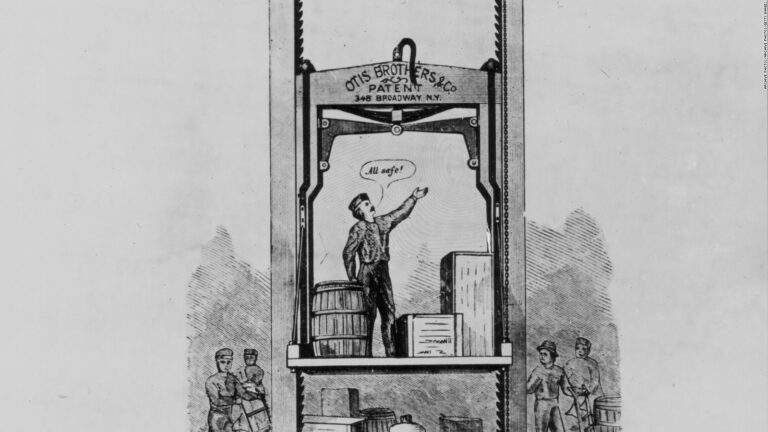
In the evolutionary process of the elevator, various opinions existed among people regarding its use or non-use. The main reason for opposition and limited use was the belief that the risk of elevator سقوط was high. To solve this problem, in 1852 a man named Elisha Otis introduced a highly secure elevator that prevented falling if the cable broke. To prove the safety of his elevator, he tested it at an exhibition in New York and personally rode the elevator. Otis’s invention increased the safety of cable elevators and later led to the installation of the first passenger elevator.
The Introduction of Elevators to Iran
The history of the introduction of elevators to Iran dates back to the era of Naser al-Din Shah. After traveling abroad and seeing this device, upon his return to Iran he ordered an elevator to be installed in Golestan Palace. Gradually, and along the lengthy evolutionary process of elevators, during the reign of Ahmad Shah Qajar this device was used at the Abadan refinery. Although today those old elevators have no place among modern industrial and advanced elevators, it should be noted that while elevators entered Iran during the Qajar era and the time of Naser al-Din Shah, about 80 years ago during the reign of Reza Shah Pahlavi, with the boom in construction and the installation of this device in places such as the Officers’ Club and other locations, elevators took on an industrial and advanced form.
The evolution of the elevator
The years of growth and peak development of the elevator evolution process in Iran can be attributed to the years after 1956, due to the boom in apartment and modern building construction. In the early days of elevators entering Iran, this device and all of its components were fully imported from abroad. Gradually, domestic companies began manufacturing and assembling elevators and their components within the country. In 1966, the first workshop for producing elevator doors and cabins was established by a person named Oxen Alexani, imitating the doors and cabins of foreign companies, and began its activity in this field.
The First Elevator Manufacturing Factory in Iran
As apartment and township construction expanded in a modern form in Iran in 1966, the Ministry of Housing and Urban Development approved a plan for building townships around major cities, which led to the establishment of elevator manufacturing factories in Iran. The first elevator manufacturing factory in Iran began operations in 1971 under the name Iran Schindler and had the capacity to produce four hundred elevators under the license of Schindler Switzerland. The first factory in Iran responsible for manufacturing elevator components was Tesla-Iran. The evolution of elevators in Iran was not limited to these two factories and later expanded to other cities with better equipment.
The evolution of the elevator
According to the information available regarding the evolution of elevators in Iran, in 1975 the Iran Elevator and Escalator Factory began operations in Abhar and continued its activity under the license of Haushahn Germany. Elevator manufacturing was not limited only to domestic companies and Iranians; foreign companies such as Otis USA were also interested in operating in this field in Iran. This period is known as the era of prosperity and growth of the elevator manufacturing industry in Iran. Next, we will explain the changes and transformations that occurred in the elevator industry during the Islamic Revolution.
The Elevator Industry in Iran After the Islamic Revolution
In the evolution of elevators in Iran after the Islamic Revolution, foreign companies, experts, and specialists in elevator manufacturing left Iran. Subsequently, with various economic sanctions imposed on Iran and the closure of import channels, many companies were shut down or went bankrupt, and some companies whose shares belonged to banks were confiscated. The peak of the crisis in the elevator industry occurred in 1980 with the start of the Iran-Iraq war, when apartment construction halted and the elevator manufacturing industry also faced serious problems. However, after the end of the war, this industry once again regained momentum and vitality.
Types of Elevators
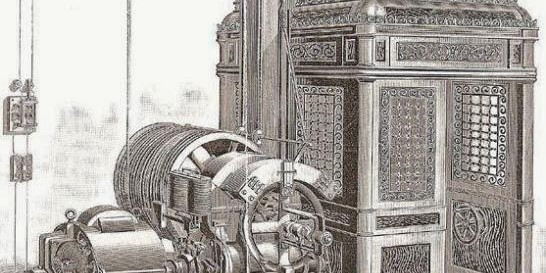
In the evolution of elevators, it should be noted that elevators are classified into four different categories based on how the driving force is applied to the cabin: traction elevators, hydraulic elevators, winch elevators, and magnetic elevators. Traction elevators have an electric motor located at the top of the elevator shaft. This type of elevator operates based on friction between the wire ropes and the traction sheave of the motor. Another type of elevator is the hydraulic elevator, which is widely used in apartments and residential homes due to its smooth movement, low wear, ease of troubleshooting and repair, aesthetic appeal, and other advantages. Hydraulic elevators are used not only for transporting people but also for moving heavy objects.
As you know, the course and process of elevator evolution have led to the availability of various types of elevators with diverse functions in today’s market. One of these models is the winch elevator. Construction elevators are another type that can operate at heights exceeding 500 meters and تحمل weights close to 1.5 to 2 tons. These elevators transport both people and materials. Another model includes magnetic elevators, which offer higher safety than conventional elevators but come at a higher cost.
Classification of Elevators
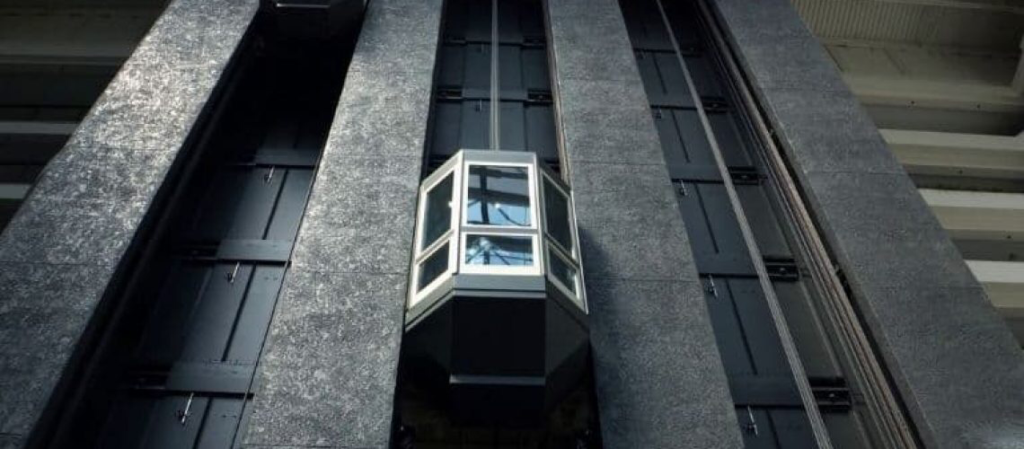
In studying the history and evolution of elevators, it should be noted that today various types of elevators with different functionalities are being manufactured and offered to the market. Familiarity with different elevator models and their applications greatly helps people choose the right elevator according to their needs. One type is the passenger elevator, whose function is the vertical transportation of passengers and includes features such as music speakers, television displays, and other amenities. Another type is the freight elevator, which is responsible for transporting heavy loads and goods and has a higher capacity than passenger elevators.
The evolution of the elevator
Regarding the formation and evolution of elevators, it should be noted that sidewalk elevators are another model available in the market, which share similarities with freight elevators, as both are used for transporting heavy objects. Floor elevators are another model available and consist of four elevator units capable of accommodating entire artists and orchestras.
Elevator Maintenance
Now that you are familiar with the evolution of elevators in Iran and the world, you should know that modern elevators, due to their significant advancements and evolved form, require proper and standard maintenance to prevent major problems and breakdowns and to allow people to use them for various purposes, including transporting loads and objects. Modern elevators are made up of various components, and to have a good and high-quality elevator, these components must be original and standard. Since the elevator is an important device that facilitates transportation and movement, all necessary maintenance considerations must be observed.
As you have learned, elevators come in various types, each with different functionalities. For proper maintenance, elevators should be regularly and thoroughly serviced by a knowledgeable expert or specialist to prevent severe problems that could cause major damage to the elevator and increase the likelihood of replacement and high costs. With the evolution of elevators, maintenance requirements have gradually changed over time.
Final Words
We discussed the history and evolution of elevators from the past to the present and explained that elevators are divided into various types. The evolution of elevators in Iran dates back to the time of Naser al-Din Shah, when elevators were first introduced to Iran, and reached its peak during the Pahlavi era with the entry of foreign and Iranian companies engaged in the elevator manufacturing industry. Although after the Islamic Revolution and the outbreak of war the elevator industry faced crises and interruptions, for receiving elevator-related services you can refer to the CabinPlusIndustrialGroup, which has sufficient experience and credibility in this field.